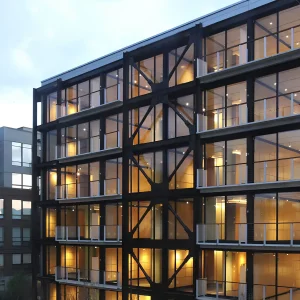
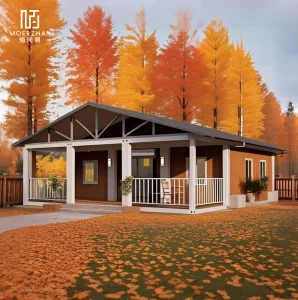
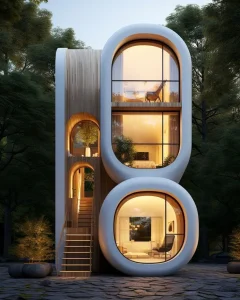
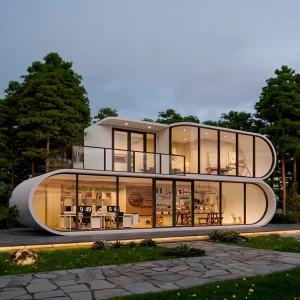
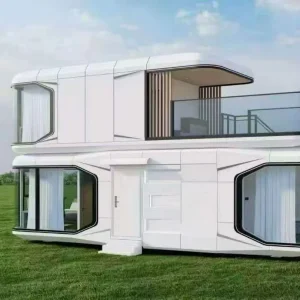
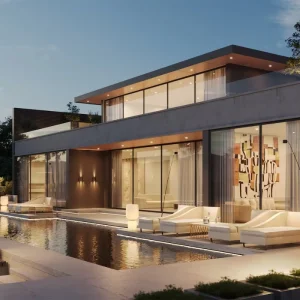
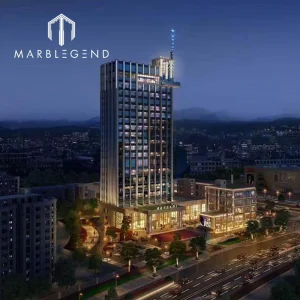
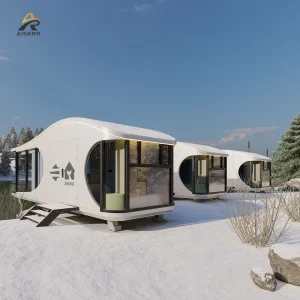
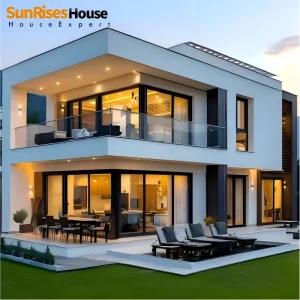
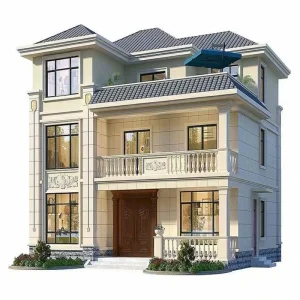
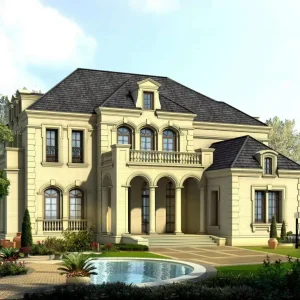
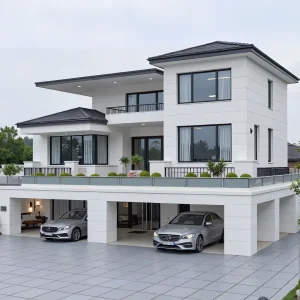
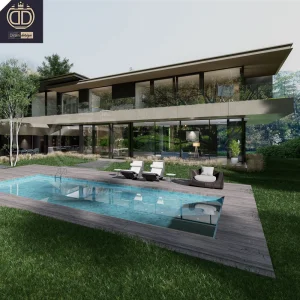
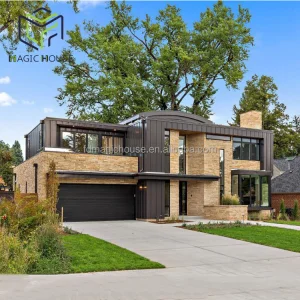
Explore our premium architectural designs configured specifically for urban infill, accessory dwelling units (DADUs), and modern housing developments in King County.
The Seattle metropolitan area presents a unique set of challenges for real estate developers and residential builders. High local labor rates, a shortage of skilled tradespeople, and stringent municipal zoning requirements have made traditional wood-stick framing increasingly expensive and slow. At the same time, Seattle’s progressive land-use laws, including those encouraging Detached Accessory Dwelling Units (DADUs), have unlocked massive opportunities for high-density, off-site manufactured residential solutions.
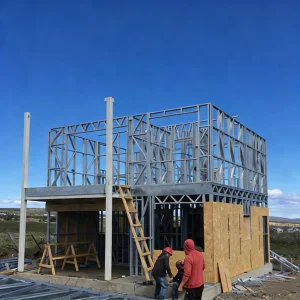
By transitioning to industrialized light-gauge steel (LGS) villas, builders in King County, Snohomish County, and Pierce County can compress project schedules by up to 50% while mitigating the risks of unpredictable Pacific Northwest winter weather. Our steel framing configurations provide absolute straightness and structural predictability, removing the warping, shrinkage, and quality inconsistencies associated with traditional green lumber.
*Calculations are based on a standard 2,000 sq ft residential villa structure from site preparation to dry-in phase.
Meeting the high requirements of the Seattle Department of Construction & Inspections (SDCI), Washington State Energy Code (WSEC), and structural load standards.
Seattle sits within a highly active seismic zone adjacent to the Cascadia Subduction Zone. This require structural systems that can withstand high lateral acceleration forces. Cold-formed steel (CFS) features an exceptional strength-to-weight ratio. Lighter structures experience less inertial force during a seismic event, and steel's natural ductility allows it to absorb energy without catastrophic structural failure.
Our light steel structures are engineered in strict compliance with the International Building Code (IBC) and ASCE 7 structural design criteria. The structural steel frames are calculated for Seismic Design Categories D0 through D2, utilizing high-tensile hot-dip galvanized steel framing members to guarantee safe load paths down to the concrete slab foundation.
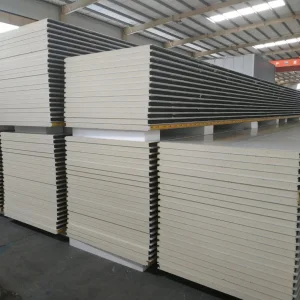
The Washington State Energy Code (WSEC) is among the most demanding energy codes in the United States. Since steel is highly conductive, special care is required to mitigate thermal bridging. We resolve this by designing a multi-layered thermal barrier. Our assemblies feature continuous exterior insulation paired with high-efficiency Autoclaved Aerated Concrete (AAC/ALC) cladding and interior mineral wool cavity insulation, ensuring excellent U-factors and complete thermal-bridge isolation.
| Performance Factor | Light-Gauge Steel Villa (CFS) | Standard Timber Framing | Foshan Umo Engineering Advantage |
|---|---|---|---|
| Seismic Performance | High Ductility, Low Structural Mass | Moderate Ductility, Higher Connection Wear | Certified structural calculation sheets & PE stamps |
| Moisture/Mold Resistance | Zero organic material; immune to mold/rot | High risk of rot in Puget Sound humidity | Integrated drainage plane and rainscreen options |
| Fire Safety Rating | Non-combustible A-class material | Combustible; requires thick gypsum boards | Compatible with fireproof ALC and fiber-cement cladding |
| Termite/Pest Risk | Zero vulnerability | Moderate/High risk over lifespan | No chemical preservative treatment required on site |
| Lifespan Expectancy | 50+ Years (Galvanized protection) | 30-40 Years (Requires regular restoration) | Z275/AZ150 structural steel coatings |
Seamless door-to-port and door-to-site supply chain pipelines from our manufacturing facility in Foshan directly to the Port of Seattle.
Exporting manufactured building components to the United States requires strict adherence to customs declarations, structural certifications, and logistics coordination. At Foshan Umo House, we handle the entire process. From container packaging utilizing specialized 40ft High Cube (HQ) containers to direct ocean freight via major Pacific carriers, we ensure that structural frames, wall systems, and exterior elements arrive undamaged and cataloged for immediate assembly.
Each structural panel and light-gauge framing bundle is marked with numerical identifiers that correspond with our 3D assembly models. This level of systemization enables local contractors or developers to assemble the framing packages on site with minimal labor, acting like a structural erector set that eliminates cutting, waste, and measuring errors.
A professional manufacturer specializing in steel structure houses, prefabricated steel buildings, modular housing systems, and customized construction solutions in China.
Foshan Umo House Co., Ltd. is an industry-leading manufacturer specializing in steel structure houses, prefabricated steel buildings, modular housing systems, and customized construction solutions in China. With extensive industry experience and advanced manufacturing capabilities, we provide durable, efficient, and sustainable building solutions for residential, commercial, industrial, and institutional projects worldwide.
Our comprehensive product portfolio includes steel structure houses, prefabricated homes, modular buildings, steel frame villas, portable houses, expandable homes, labor camps, site offices, warehouses, workshops, commercial buildings, schools, hospitals, dormitories, agricultural buildings, and customized steel construction projects. Every solution is engineered to deliver rapid installation, superior structural performance, cost efficiency, and long service life.
At Umo House, we utilize advanced production equipment and precision manufacturing technologies to ensure every component meets strict international quality standards. Our experienced engineering team provides complete OEM and ODM services, supporting customized architectural design, structural calculations, insulation systems, roofing, wall panels, electrical layouts, plumbing, interior finishing, and project-specific requirements.
Built with premium galvanized steel structures and high-performance building materials, our products offer excellent resistance to corrosion, earthquakes, strong winds, and harsh weather conditions. They also provide outstanding thermal insulation, energy efficiency, and low maintenance, making them suitable for both temporary and permanent construction applications.
Our steel structure solutions are widely used in residential communities, commercial complexes, industrial facilities, logistics centers, mining camps, construction sites, tourism resorts, educational institutions, healthcare projects, government infrastructure, and emergency relief programs. We continuously invest in research, product innovation, and manufacturing optimization to meet the evolving needs of global customers.
Today, Foshan Umo House exports its products to Europe, North America, South America, Southeast Asia, the Middle East, Africa, and Oceania, building long-term partnerships with contractors, developers, distributors, and engineering companies around the world.
As a trusted steel structure house manufacturer in China, Foshan Umo House is committed to delivering premium-quality products, competitive pricing, flexible customization, reliable project support, and on-time delivery. We strive to provide innovative modular construction solutions that create lasting value for customers across the global market.
Visualizing our precision manufacturing, assembly, and architectural configurations globally.
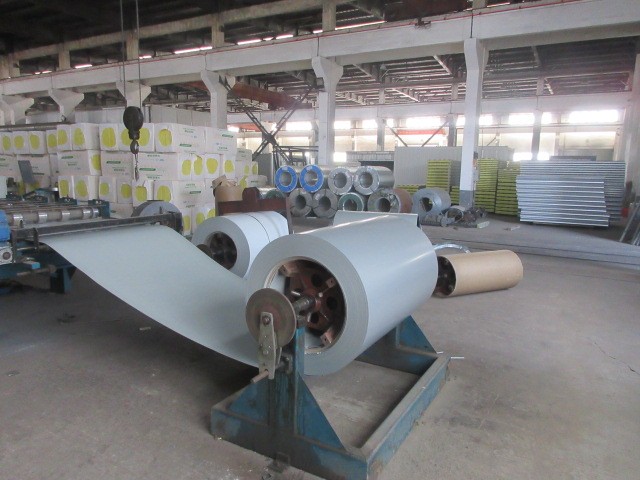
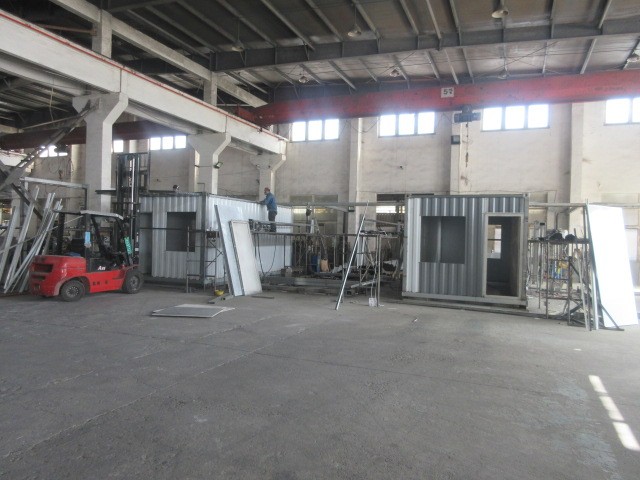
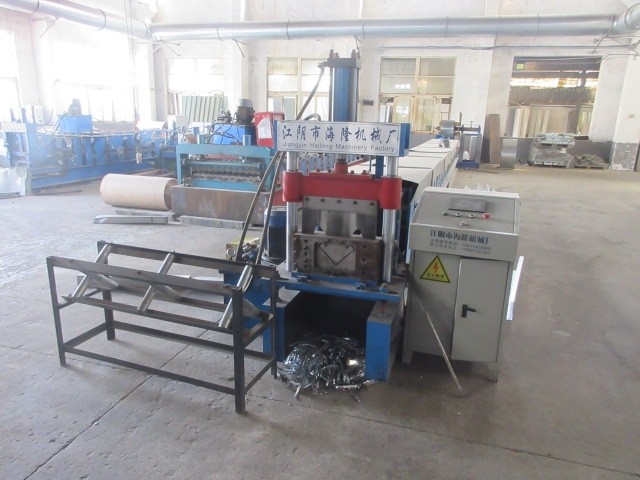
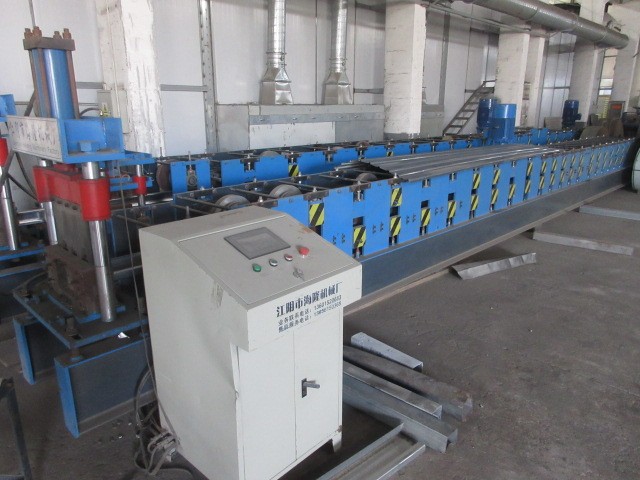
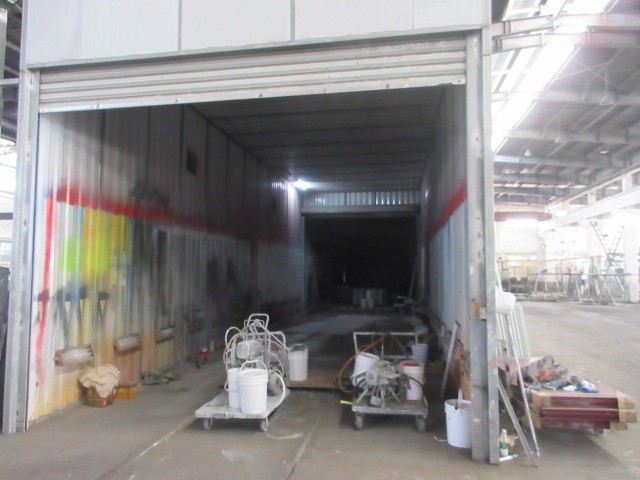
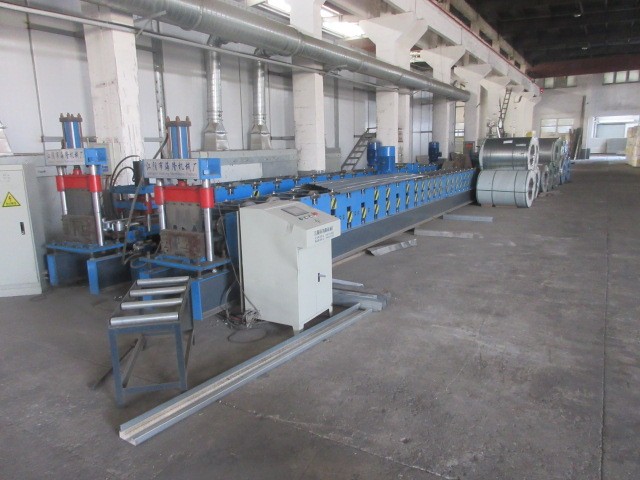
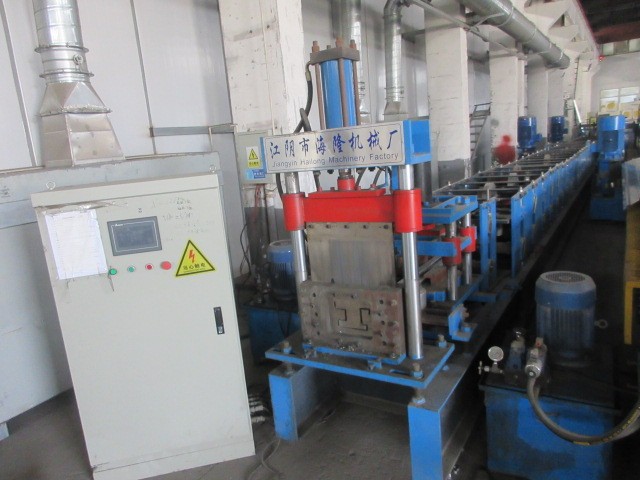
Select from our range of structural solutions designed for high structural capacity and fast delivery.
Critical structural, thermal, and regulatory answers for architects, general contractors, and residential developers in Washington State.
 Umo House