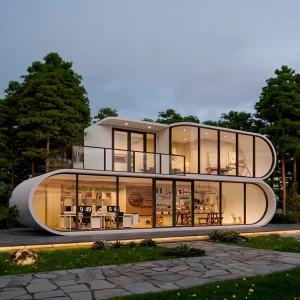
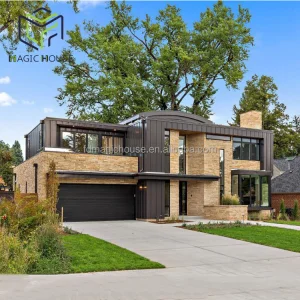
Rapid deployment structural systems engineered to optimize load distributions and minimize on-site wet trade processes.
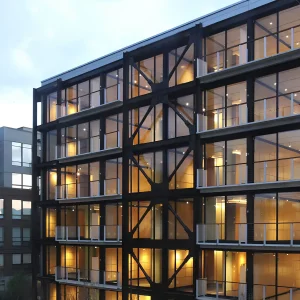
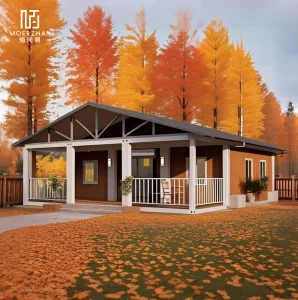
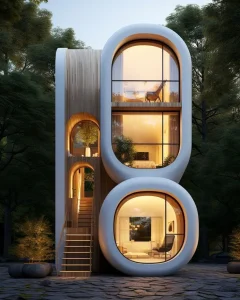
Foshan Umo House Co., Ltd. is a global leader in high-performance prefabricated structural manufacturing. Our engineering facility in Foshan, China, is optimized to service developers, contractors, and national housing ministries, particularly across rapidly growing West African markets such as Nigeria.
Through precision-engineered light-gauge steel (LGS) systems, heavy structural hot-rolled frameworks, and smart composite-wall technology, we address the critical pain points of contemporary construction: volatility in local raw material costs, prolonged site construction timelines, and complex labor management. Our specialized production capabilities are tailored to deliver high-durability, energy-efficient villas and commercial structures engineered for immediate structural compliance in Nigeria.
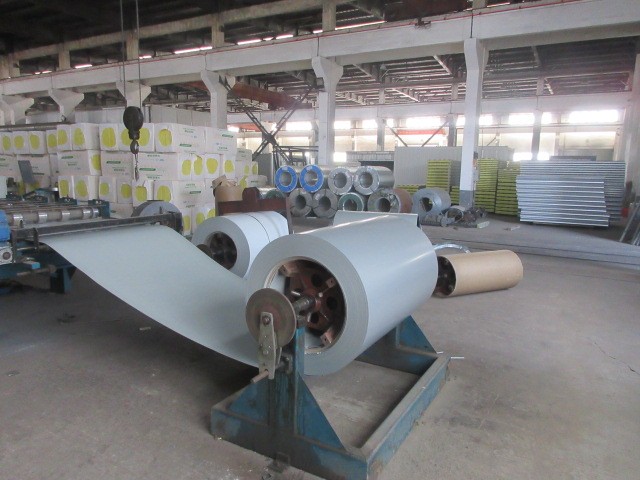
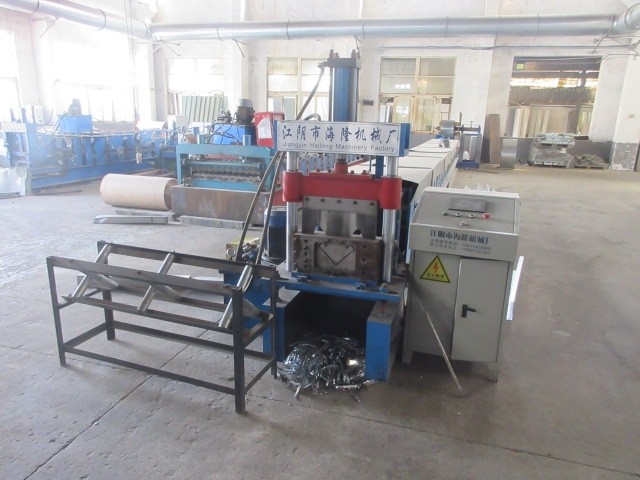
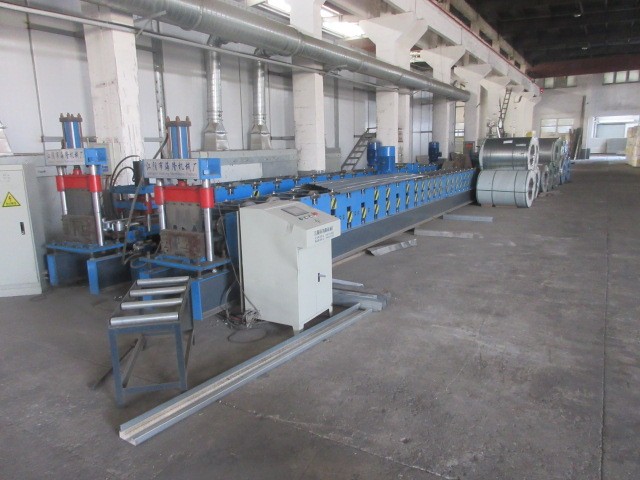
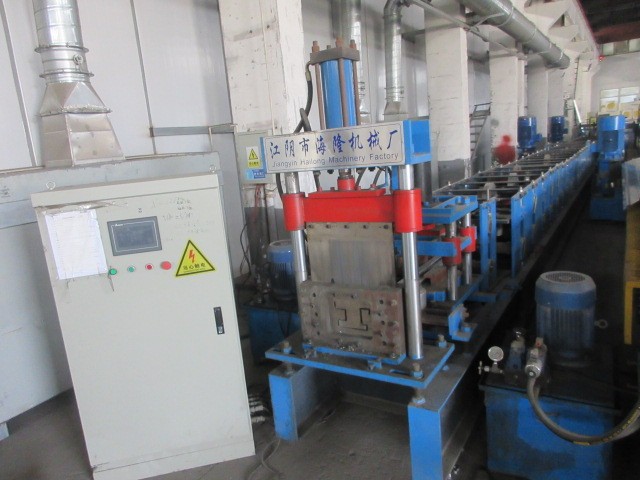
Umo House integrates BIM modeling (Building Information Modeling) with automated cold-rolling mills to manufacture light steel framing with tolerances under 0.5mm. Every framing component is stamped with unique erection labels correlating to localized assembly documentation, ensuring smooth installation processes without the need for skilled on-site welding.
Analyzing the shift from capital-intensive traditional wet construction to modular offsite manufacturing.
Nigeria’s housing market currently faces a structural deficit of over 28 million units. In major commercial epicenters like Lagos, Abuja, and Port Harcourt, traditional masonry construction methods fail to match demographic growth due to high cement costs, fluctuating local currency rates, and long construction schedules.
Traditional sand-cement block structures suffer from structural degradation caused by poor local sand quality and inconsistent concrete mixes on-site. The volatile pricing of Reinforcement Steel Bars (Rebars) and Portland Cement creates significant budget risks for Nigerian developers. By importing prefabricated structural systems, projects bypass these local price fluctuations, locking in material costs early in the planning phase.
Local sand, cement, and rebar costs frequently fluctuate. Prefabrication locks in structural material pricing, protecting project budgets.
Traditional construction projects in Lagos frequently face multi-month delays due to weather, labor issues, and material logistics.
Hand-mixed mortar and poor-grade aggregate on-site lead to micro-fissuring and structural carbonation in coastal zones.
Technical details for managing thermal loads, humidity, and high salinity in West Africa.
For Lagos Lekki, Victoria Island, and coastal Port Harcourt, we provide steel framing with hot-dip galvanized coatings (Z275-Z350) and Alu-Zinc finishes. This ensures optimal corrosion protection in high-saline marine environments.
Our composite wall systems utilize Rockwool and high-density Polyurethane (PU) boards. These materials achieve low U-values, reducing indoor heat buildup and lowering HVAC electrical demands in hot climates.
Designed and calculated using SAP2000, our light steel frames are engineered to withstand Harmattan wind pressures and local wind shear forces up to 250 km/h, while meeting all relevant structural codes.
| Design Feature | Umo LGS Villa | Concrete Block |
|---|---|---|
| Erection Speed | 15 - 25 Days | 90 - 120 Days |
| Structural Weight | 35-45 kg/m² | 280-320 kg/m² |
| Thermal Performance | U ≤ 0.35 W/m²K | U ≥ 2.2 W/m²K |
| Structural Lifespan | 50+ Years | 30-40 Years (varies) |
| Recyclability | 90% Recyclable | 0% (Demolition Waste) |
Utilizing high-efficiency shipping logistics from Southern China directly to West African ports.
Foshan is a globally recognized manufacturing cluster for construction materials, metal processing, and pre-engineered building systems. Foshan Umo House utilizes these local supply chain integrations to source steel, insulation materials, and internal fittings at highly competitive wholesale rates.
We export our products to Europe, North America, South America, Southeast Asia, the Middle East, Africa, and Oceania, building long-term partnerships with contractors, developers, distributors, and engineering companies around the world.
Our logistics team handles specialized container loading configurations (including 40ft OT and 40ft HQ containers) to protect structural members from mechanical damage and moisture exposure during transit. We ship directly to key West African marine cargo hubs, including the Port of Lagos (Apapa/Tin Can Island) and the Onne Port in Port Harcourt, ensuring reliable delivery timelines for large-scale projects.
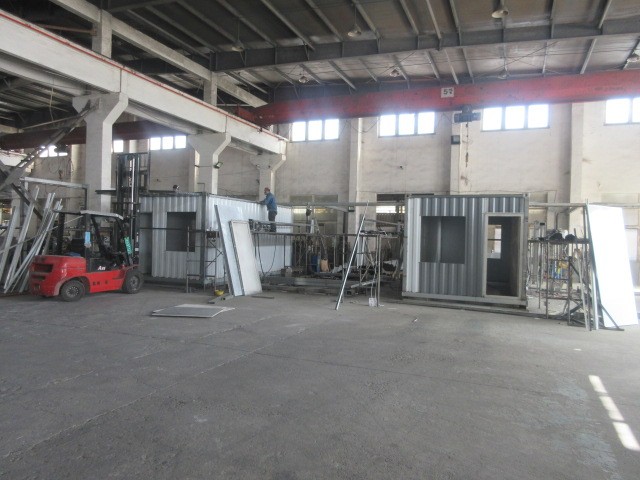
Tailored structural configurations designed for specific residential, commercial, and industrial markets.
Luxury multi-story steel villas designed with marine-grade Z350 galvanization and high-performance exterior wall claddings. These systems resist coastal corrosion, humidity, and salt fog.
Fast-track residential developments in Gwagwalada, Kubwa, and Lugbe. Light-steel frames allow rapid modular replication and lower foundations costs on challenging clay soils.
Blast-resistant, highly durable structural offices, labor quarters, and equipment shelters. Designed for remote assembly with minimal heavy crane requirements.
Foshan Umo House ensures all structural designs comply with major international and local codes. Our engineering team routinely models structures under BS 5950 (Structural Use of Steelwork in Building), Eurocode 3 (Design of Steel Structures), and the AISC (American Institute of Steel Construction) manuals.
This analytical rigor ensures our steel frames are ready for local engineering sign-offs in Nigeria. We provide full structural calculation sheets, load-path diagrams, and anchor-bolt layout drawings to support local municipal reviews and building approval processes.
Ensures load limit states meet British Standards for safety and serviceability under varying conditions.
Confirms materials comply with European health, safety, and environmental standards.
Reflects international standard quality management processes within our Chinese manufacturing facilities.
Flame retardant wall core insulation reduces structural fire hazards in high-density urban areas.
Leading the shift toward decarbonized modular architecture and energy-autonomous housing.
Integrating structural solar pathways directly into villa roof systems. We customize light steel roof load calculations to support solar panel arrays and battery storage, helping properties run independently of local power grids.
Incorporating recycled scrap content in our cold-rolling mill processes. This reduces the carbon footprint of the building envelope, supporting global ESG targets.
Integrating smart home monitoring sensors into pre-installed wall channels, enabling automated control of ventilation, lighting, and humidity control.
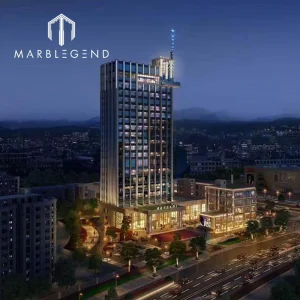
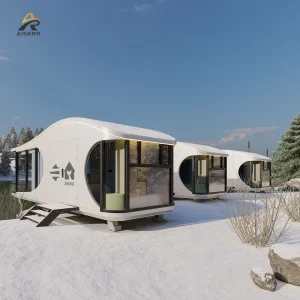
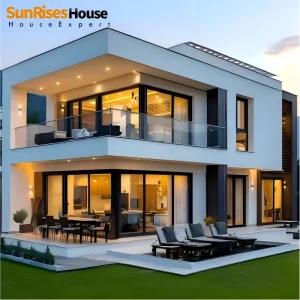
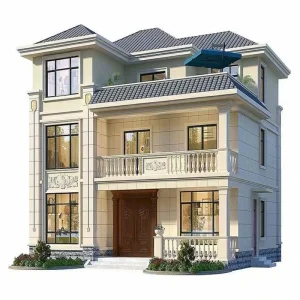
Browse our range of prefabricated light-gauge steel villas, commercial structures, and expandable homes.
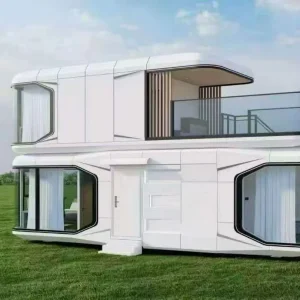
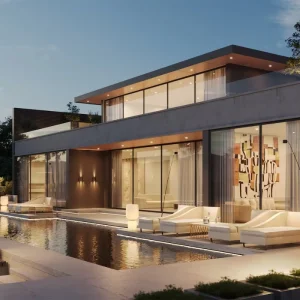
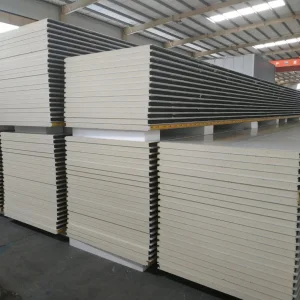
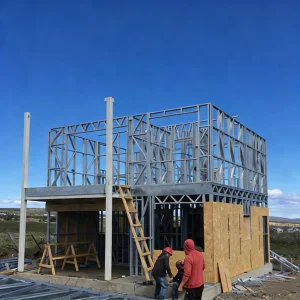
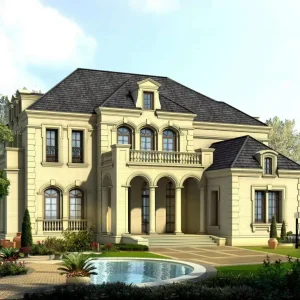
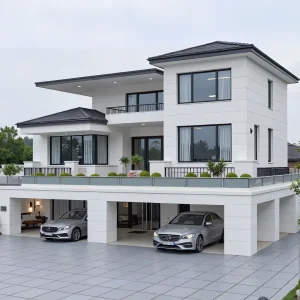
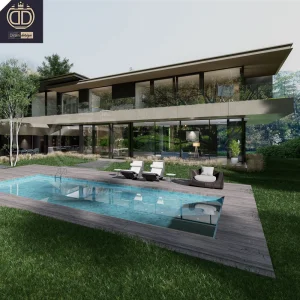
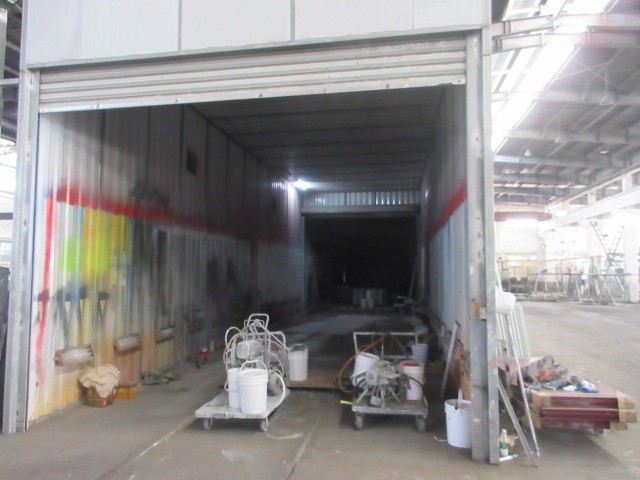
In-plant testing and shipping preparation for our international export divisions.
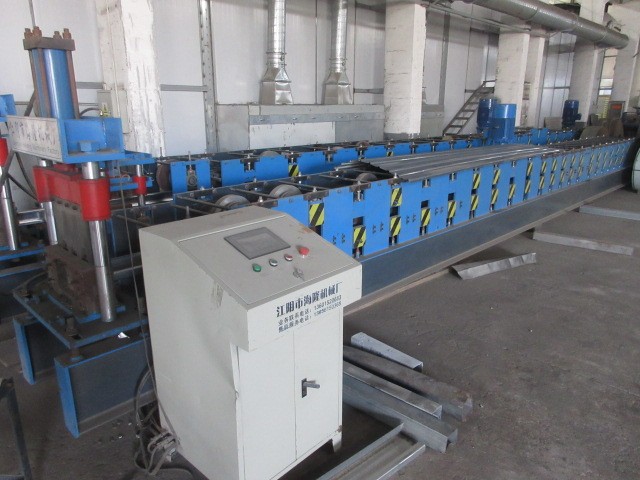
Detailed engineering, logistical, and assembly answers for builders importing steel villas into Nigeria.
To protect structures in high-humidity areas like Lagos, Lekki, and Port Harcourt, we manufacture framing components using high-grade galvanized steel sheets. These sheets feature Z275 to Z350 hot-dip zinc coatings or AZ150 aluminum-zinc coatings, preventing rust and degradation in coastal environments.
We provide a complete engineering package with every shipment, including detailed layout drawings, anchor-bolt plans, structural calculation calculations, and connection details. These files are prepared to comply with BS 5950, Eurocode 3, or AISC guidelines to support engineering reviews and municipal building permit applications.
Our light steel frames are manufactured with pre-punched service holes. This allows local subcontractors to easily route electrical conduit, gas pipes, and water lines inside the walls and ceilings without cutting or drilling into the load-bearing elements.
Because steel frame buildings are significantly lighter than traditional concrete block structures, they require less concrete for their foundations. A standard concrete slab-on-grade foundation is typically sufficient for flat terrain, while raft foundations are recommended for soil conditions with lower bearing capacities.
We construct our walls and roofs with high-efficiency thermal insulation materials, including glass wool, rockwool, and polyurethane (PU) core sandwich panels. This creates a thermal barrier that reduces heat transfer into the building, lowering the energy needed to run indoor air conditioning.
Production in our Foshan facility typically takes 20 to 30 days depending on the project's scale. Transit time from Southern China ports to Apapa or Tin Can Island Port in Lagos ranges from 30 to 40 days, allowing projects to transition from design to on-site assembly within 70 to 90 days.
Receive a comprehensive structural analysis, raw material quotation, and customized design review from our Foshan engineering and logistical teams.
Send Inquiry Now Umo House