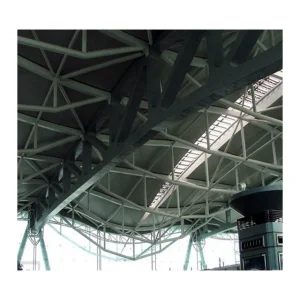
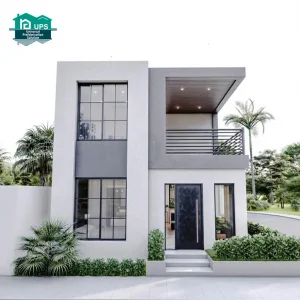
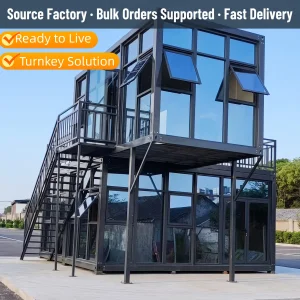
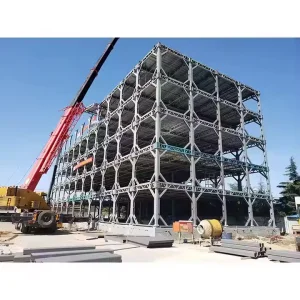
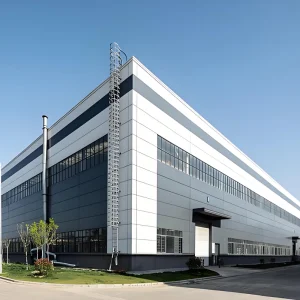
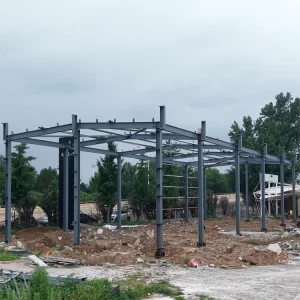
Explore our featured structural steel frame assemblies, engineered for longevity, ease of rapid onsite installation, and structural integrity across architectural platforms.
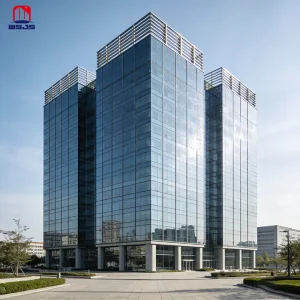
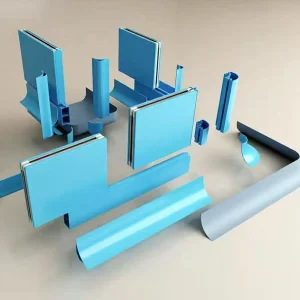
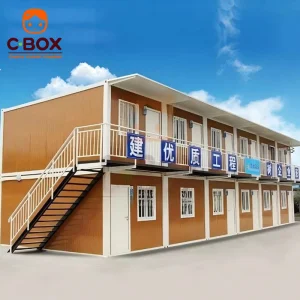
The global construction industry is undergoing a structural paradigm shift. Escalating traditional material costs, labor deficits, and the urgent necessity to fulfill carbon neutrality objectives have pushed developers toward Modular Steel Housing. Light steel frame (LSF) and structural steel pipe truss assemblies are no longer niche options; they represent the frontier of sustainable, high-efficiency commercial and residential construction.
Modern steel housing provides an unparalleled strength-to-weight ratio. Engineered steel profiles tolerate extreme physical stressors, and prefabricated manufacturing facilitates minimal waste. Structural designers and urban planners rely on light steel framing systems because they mitigate typical timber hazards such as rot, termites, and fire. The material's resilience extends the building's operational lifecycle—often exceeding 50 years under standard environmental conditions.
According to modern structural engineering research: Steel frame assemblies allow for up to a 60% reduction in onsite assembly timelines, while simultaneously improving thermal envelope performance through advanced composite sandwich panel integration.
Global developers sourcing structural steel housing systems face multi-layered compliance mandates. Leading Chinese manufacturers, centered in industrialized clusters like Guangdong, have successfully aligned their outputs with international structural performance standards, including Eurocode 3, AISC, and AS/NZS 4600. The cost advantage realized through raw steel processing facilities, automated rolling machinery, and optimization of supply chain logistics positions Chinese manufacturing as the primary partner for large-scale developments.
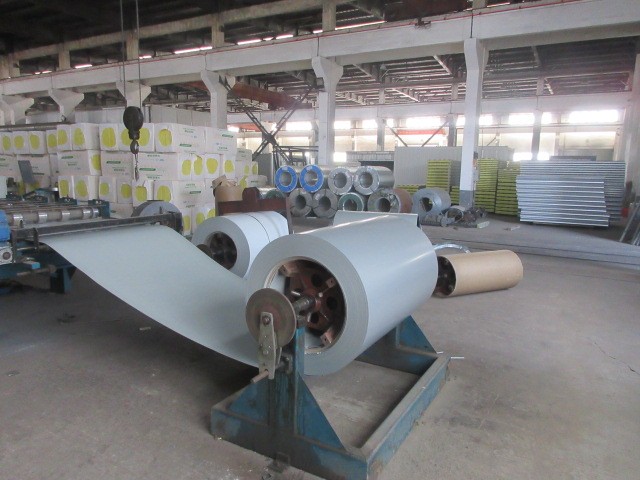
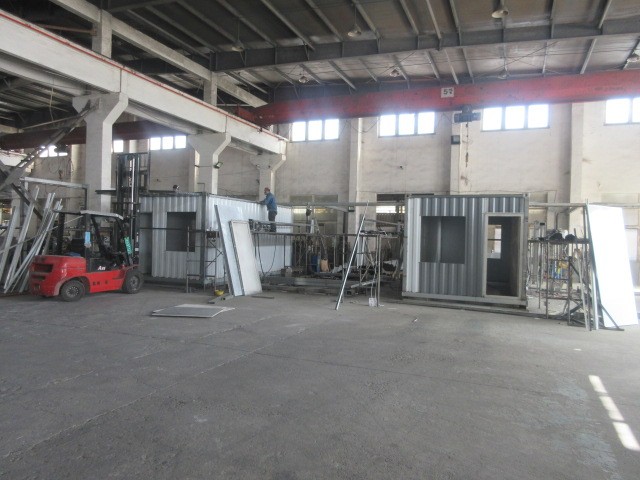
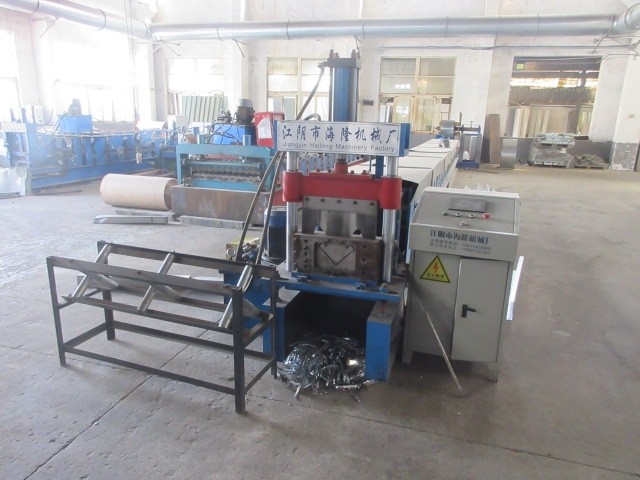
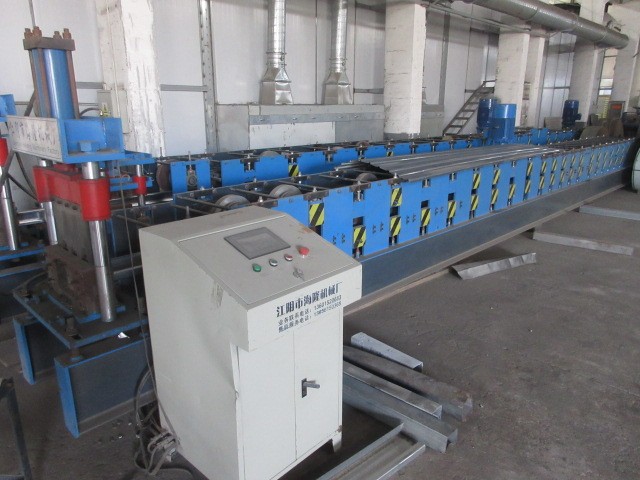
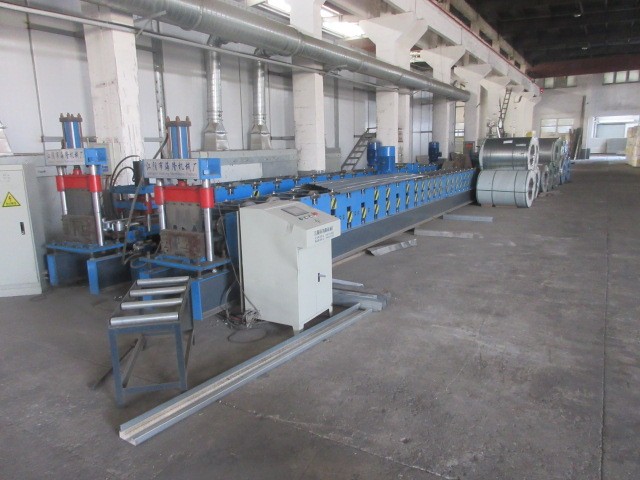
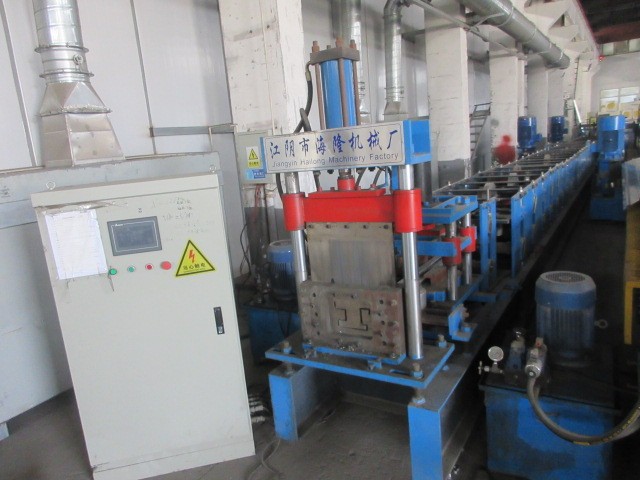
The manufacturing capabilities of Chinese steel structure housing factories have evolved past simple roll-forming mechanisms. The integration of Industry 4.0 paradigms allows for complete end-to-end trace-ability. At facilities like Foshan Umo House Co., Ltd., advanced manufacturing execution systems (MES) coordinate steel plate uncoiling, slitting, high-precision punching, and welding processes in real-time, matching exact structural engineering tolerances down to fractions of a millimeter.
By leveraging BIM (Building Information Modeling) pipelines, design models are translated into digital production instructions. This level of digitalization eliminates standard discrepancies between design parameters and factory floor outputs, ensuring that when prefabricated packages arrive at remote sites—such as mining communities in South America or medical outposts in Africa—components bolt together without requiring onsite modifications or modifications to primary steel members.
One of the primary concerns for developers using prefabricated steel structures is long-term corrosion resistance, especially in coastal or humid areas. Reputable Chinese factories address this risk by using advanced galvanization techniques, offering hot-dip galvanized steel coatings (such as Z275, providing 275g/m² zinc protection coating). This prevents oxidation and ensures that structural integrity is maintained even in harsh chemical environments or saline marine settings.
| Structural Element | Technical Specification | Performance Indicator | Standards Compliance |
|---|---|---|---|
| Primary Steel Framing | Q235 / Q355 Hot-Dip Galvanized Light Steel Frame | Yield strength up to 355 MPa; Z275 Zinc Coating | GB/T 1591, ASTM A36, EN 10025 |
| Enclosure & Insulation | 50mm - 150mm PU/EPS/Rockwool Sandwich Panels | Thermal Conductivity: 0.024 - 0.040 W/m·K | EN 14509, ASTM C1363 |
| Seismic Resistance | High ductility structural joints & diagonal bracing | Withstands up to Magnitude 8-9 earthquakes | GB 50011, ASCE 7 |
| Wind Load Capacity | Engineered structural connection nodes | Withstands up to 250 km/h wind speeds | EN 1991-1-4, AS/NZS 1170.2 |
| Fire Performance | Class A non-combustible core (Rockwool) | 1 to 4-hour structural integrity under heat | EN 13501-1, UL 263 |
Sourcing low-cost and high-performance steel housing elements requires a deep understanding of local environmental and functional requirements. Chinese production ecosystems cater to a wide range of specific industrial, commercial, and humanitarian applications, including:
High-quality, sterile, and rapid-response clinics, clinics with integrated HVAC cleanroom systems, and turnkey operating rooms engineered for medical environments requiring strict biological control.
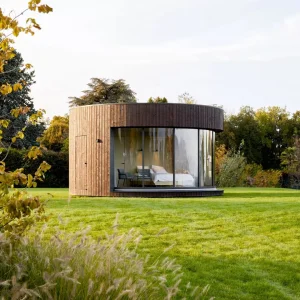
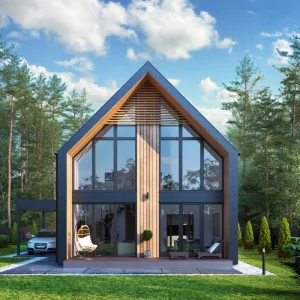
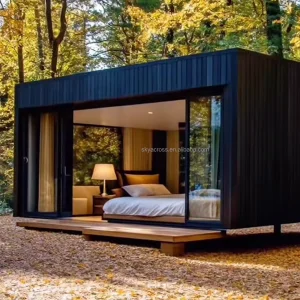
From A-frame luxury villas to Airbnb modular container suites, pre-engineered solutions allow custom facades, high insulation values, and luxury interior layouts without onsite wet-works.
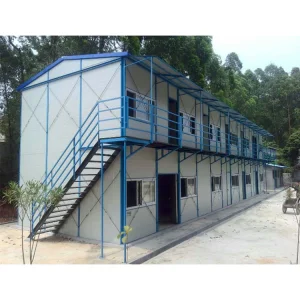
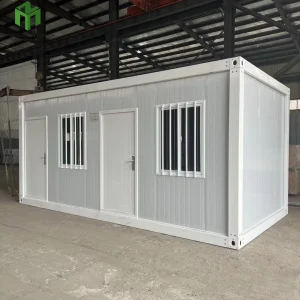
Highly cost-efficient, repeatable modular structures (K-houses and flatpack containers) built to house workforce teams in remote mining, energy drilling, and major infrastructure construction sites.
Foshan Umo House Co., Ltd. is a professional manufacturer specializing in steel structure houses, prefabricated steel buildings, modular housing systems, and customized construction solutions in China. With extensive industry experience and advanced manufacturing capabilities, we provide durable, efficient, and sustainable building solutions for residential, commercial, industrial, and institutional projects worldwide.
Our comprehensive product portfolio includes steel structure houses, prefabricated homes, modular buildings, steel frame villas, portable houses, expandable homes, labor camps, site offices, warehouses, workshops, commercial buildings, schools, hospitals, dormitories, agricultural buildings, and customized steel construction projects. Every solution is engineered to deliver rapid installation, superior structural performance, cost efficiency, and long service life.
At Umo House, we utilize advanced production equipment and precision manufacturing technologies to ensure every component meets strict international quality standards. Our experienced engineering team provides complete OEM and ODM services, supporting customized architectural design, structural calculations, insulation systems, roofing, wall panels, electrical layouts, plumbing, interior finishing, and project-specific requirements.
Built with premium galvanized steel structures and high-performance building materials, our products offer excellent resistance to corrosion, earthquakes, strong winds, and harsh weather conditions. They also provide outstanding thermal insulation, energy efficiency, and low maintenance, making them suitable for both temporary and permanent construction applications.
Our steel structure solutions are widely used in residential communities, commercial complexes, industrial facilities, logistics centers, mining camps, construction sites, tourism resorts, educational institutions, healthcare projects, government infrastructure, and emergency relief programs. We continuously invest in research, product innovation, and manufacturing optimization to meet the evolving needs of global customers.
Today, Foshan Umo House exports its products to Europe, North America, South America, Southeast Asia, the Middle East, Africa, and Oceania, building long-term partnerships with contractors, developers, distributors, and engineering companies around the world.
Understanding technical nuances helps optimize the procurement process and prevent regional code compliance failures. Here are the answers to critical questions asked by engineering procurement teams:
Explore our architectural-grade steel frame systems, turnkey structures, and expandable smart living containers suited for global deployment.
 Umo House