Explore our advanced structural steel configurations designed to withstand severe wind loads, high seismic forces, and aggressive environmental exposures. Every unit is engineered for swift modular assembly and long-term durability.
The global construction industry is undergoing a monumental paradigm shift. As developers, engineers, and municipal authorities seek ways to combat volatile material supply chains, rising local labor costs, and increasingly strict environmental standards, off-site steel prefabrication has emerged as the definitive solution. Prefabricated steel and modular components stand at the intersection of structural safety, ecological sustainability, and financial viability.
At Foshan Umo House Co., Ltd., we recognize that modern buildings must do more than simply shelter occupants. They must resist seismic shear forces, adapt to microclimate shifts, minimize operational energy expenditures, and allow for rapid site assembly. By utilizing high-grade structural alloys, automated cold-rolled framing, and high-performance insulated envelope systems, we provide developers with the structural certainty necessary to complete complex projects on schedule and within budget.
The integrity of a prefabricated building depends entirely on metallurgical quality and design tolerances. Our fabrication lines utilize structural hot-rolled carbon steel plates (specifically Q355B and Q235B) coupled with advanced cold-formed light gauge steel framing. The zinc plating layer density ranges from 120 g/m² up to Z275 (275 g/m²), offering superior galvanic protection against localized oxidation in marine or highly polluted industrial regions.
| Structural Parameter | Technical Classification & Metrics | Standards Applied |
|---|---|---|
| Primary Structural Steel | Q355B / Q235B / ASTM A572 Grade 50 (Hot-Rolled I-Beams, H-Beams, Box Columns) | GB/T 1591, ASTM A572 |
| Light Gauge Steel Framing | G550 Cold-Rolled Galvanized Profile Steel (Zinc coating thickness: Z275) | AS 1397, ASTM A653 |
| Wind Load Resistance | Designed to resist up to Category 5 hurricanes (Wind Speed up to 250 km/h) | AS/NZS 1170.2, ASCE 7 |
| Seismic Deflection Limit | Classified to absorb energy in high-seismic zones (Resists up to Magnitude 8 events) | GB 50011-2011, IBC Section 1613 |
| Thermal Performance | Wall insulation U-values down to 0.24 W/m²K using PIR/Polyurethane Sandwich Panels | EN ISO 6946, ASHRAE 90.1 |
| Corrosion Protection | Hot-Dip Galvanizing & Dual-Coat Epoxy Primers with Polyurethane Topcoat | ISO 12944 (C3 to C5 Industrial Marine environments) |
Industrial scale and commercial operations demand reliable spatial optimization. Our structural portfolio is specifically designed to address the challenges facing distinct macro-industries globally:
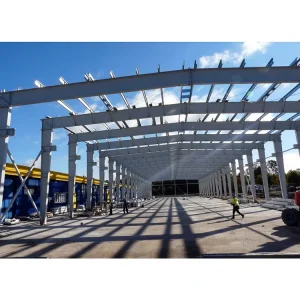
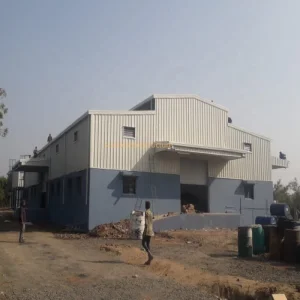
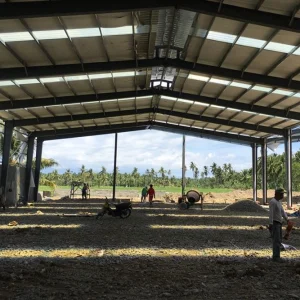
With the rapid growth of global e-commerce networks, logistics providers require ultra-wide clear-span steel configurations. Our portal frame solutions facilitate column-free clear spans up to 60 meters, ensuring optimal storage layouts, automated robotic navigation pathways, and heavy overhead crane integration.
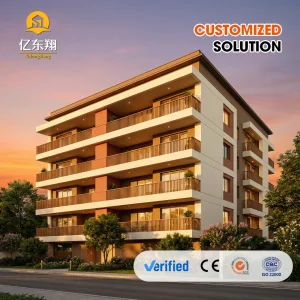
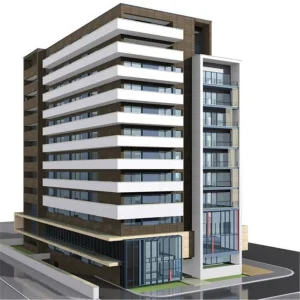
Urban density demands quick-assembly residential solutions. Light steel framing combined with robust structural steel core frames enables high-density vertical development. This structural framework reduces overall foundation costs by up to 35% compared to traditional concrete systems, making it highly effective for multi-story apartments and mixed-use structures.
During unexpected global events or rapid community expansion, medical facilities must be deployed quickly. Our modular medical building systems feature factory-integrated MEP (Mechanical, Electrical, Plumbing) conduits and anti-microbial wall cladding, facilitating on-site assembly and commissioning in just a few weeks.
Foshan Umo House Co., Ltd. does not offer generic modular units. We design structures specifically engineered to meet localized structural codes. Navigating varying regional standards is essential for project approvals and global compliance.
For projects in North America, our structures are designed in strict accordance with the American Institute of Steel Construction (AISC) specifications and the International Building Code (IBC). For European ventures, we align our calculations with the relevant Eurocodes (Eurocode 3 for steel design), incorporating national annexes that define localized snow loads and wind pressures. In Australia and New Zealand, our designs comply with the AS/NZS 1170 structural design actions and AS 4100 steel structures standards.
By utilizing Finite Element Analysis (FEA) software, our engineers simulate severe weather occurrences, localized soil settlements, and unexpected live load stress conditions before the fabrication process begins. This proactive compliance model prevents structural adjustments at the job site, reducing labor costs and expediting local regulatory approvals.
Operating out of Foshan, China—a premier global industrial manufacturing hub—our production facility is outfitted with advanced CNC cutting, forming, and automated welding lines. We control the fabrication process from structural raw material processing to final modular packing, ensuring consistent quality.
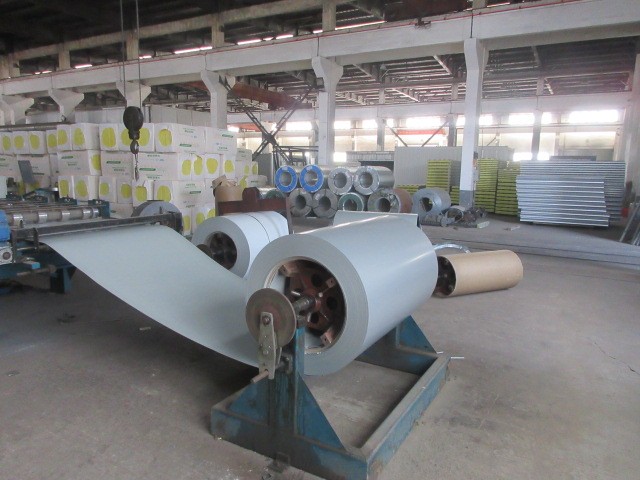
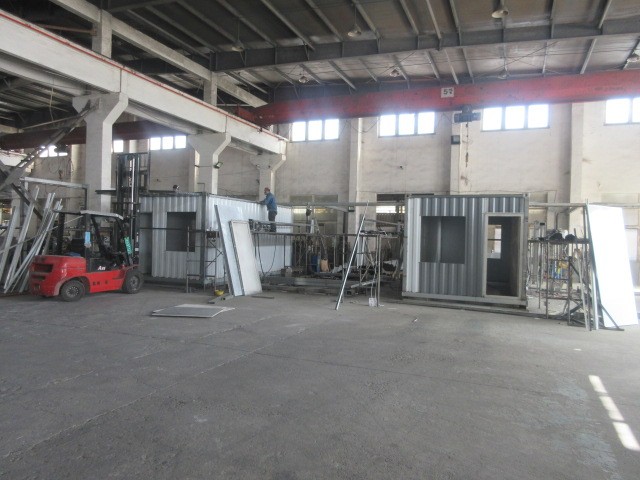
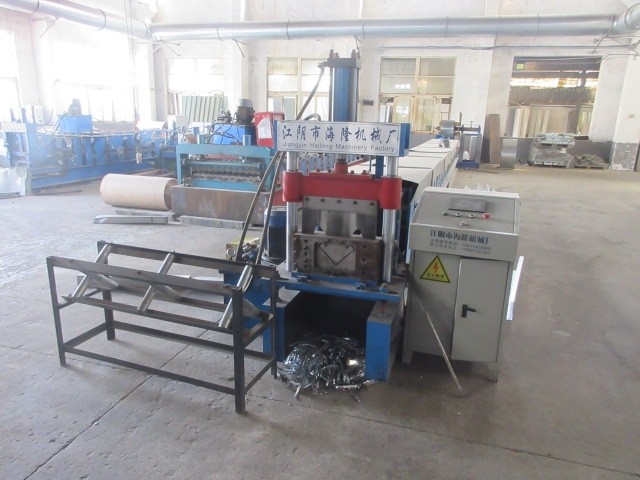
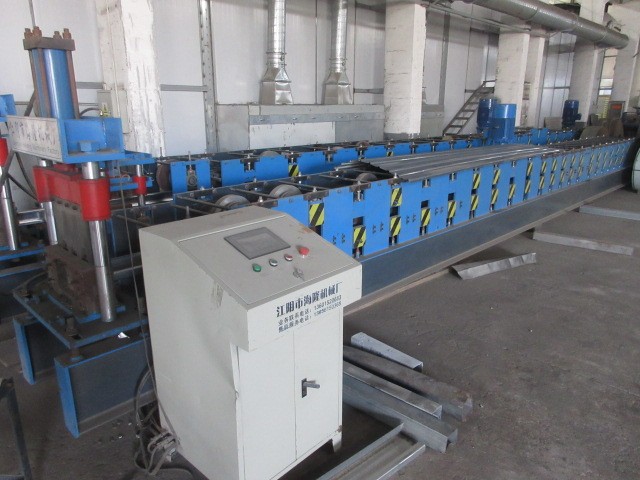
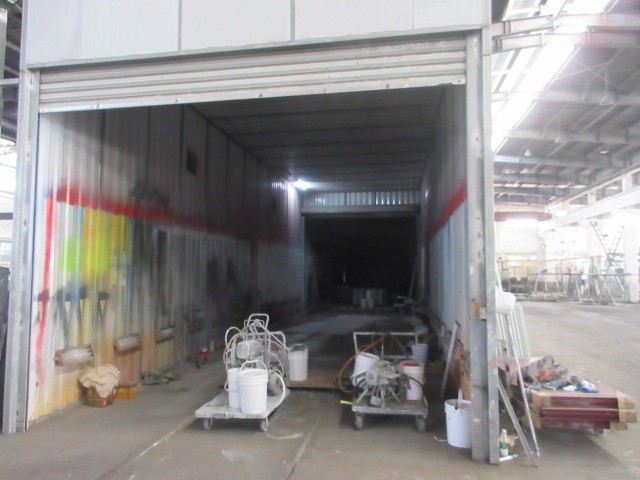
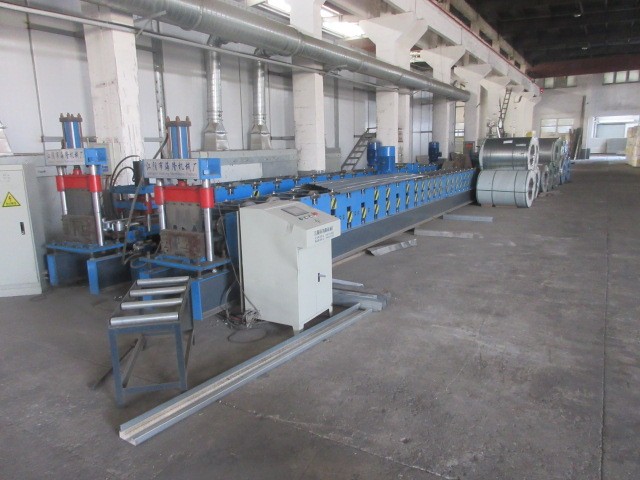
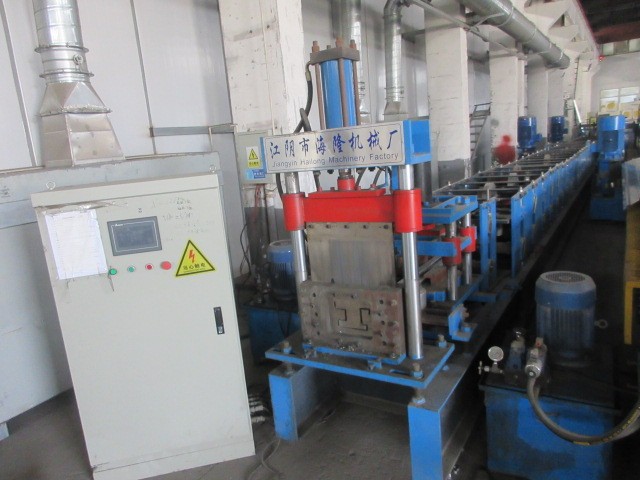
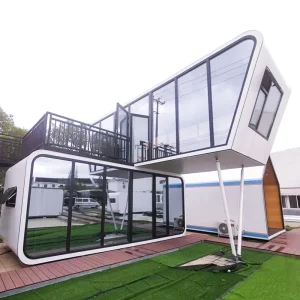
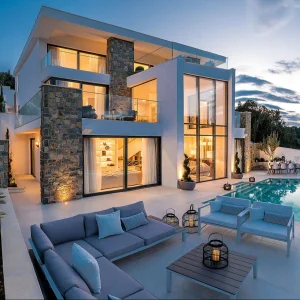
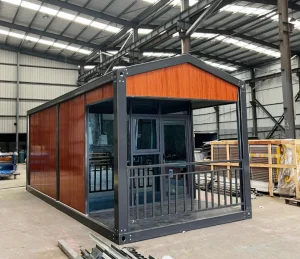
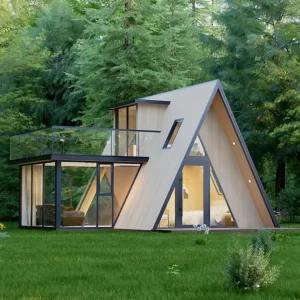
Our comprehensive product portfolio includes steel structure houses, prefabricated homes, modular buildings, steel frame villas, portable houses, expandable homes, labor camps, site offices, warehouses, workshops, commercial buildings, schools, hospitals, dormitories, agricultural buildings, and customized steel construction projects. Every solution is engineered to deliver rapid installation, superior structural performance, cost efficiency, and long service life.
At Umo House, we utilize advanced production equipment and precision manufacturing technologies to ensure every component meets strict international quality standards. Our experienced engineering team provides complete OEM and ODM services, supporting customized architectural design, structural calculations, insulation systems, roofing, wall panels, electrical layouts, plumbing, interior finishing, and project-specific requirements.
The future of modular construction is guided by two main concepts: deep building digitization and environmental sustainability. Foshan Umo House is integrating sustainable materials and practices into our manufacturing processes to meet these demands:
We utilize Building Information Modeling (BIM) systems from conceptual design to manufacturing. This digital twin methodology eliminates design discrepancies before steel is cut, reducing on-site waste to less than 1%.
By utilizing composite sandwich insulation panels and structural thermal breaks, we are developing modular homes with lower HVAC energy consumption, helping clients meet local net-zero standards.
Steel is infinitely recyclable. We design our structural connections (using high-tensile bolted configurations rather than field welding) so that buildings can be disassembled, relocated, or repurposed at the end of their operational lifecycle.
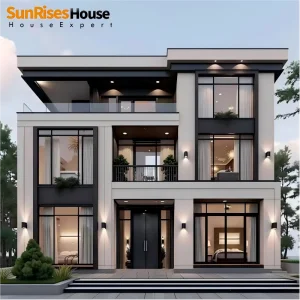
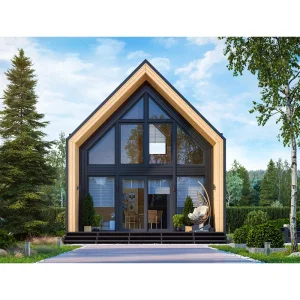
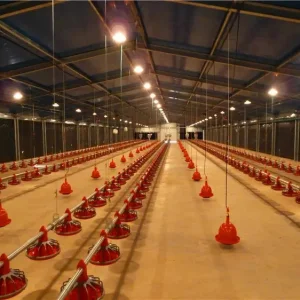
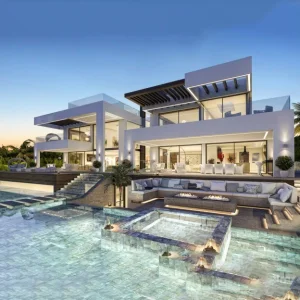
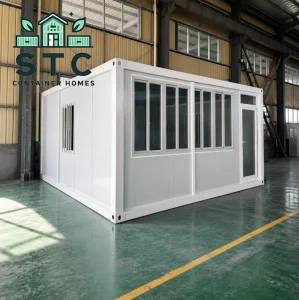
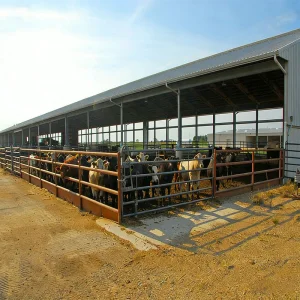
Explore additional prefabricated configurations, from specialized agricultural facilities and modern villas to high-rise multi-story frameworks designed to adapt to diverse applications.
Get answers to common technical, regulatory, and logistics questions about our prefabricated and modular steel solutions.
 Umo House