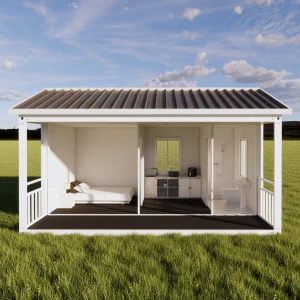
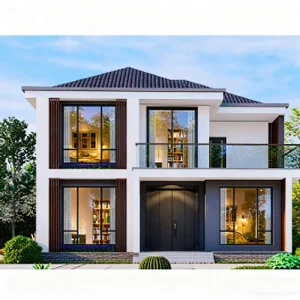
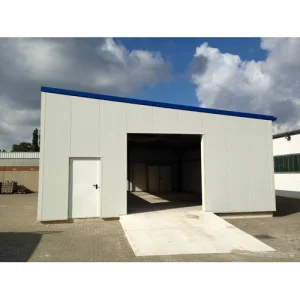
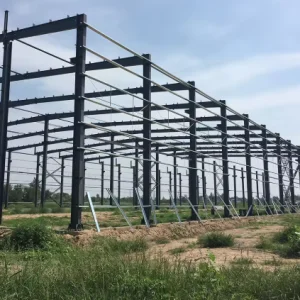
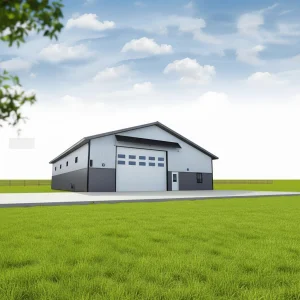
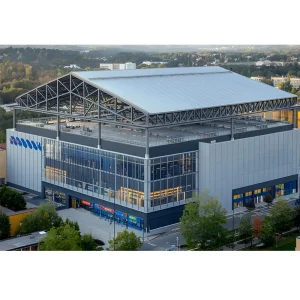
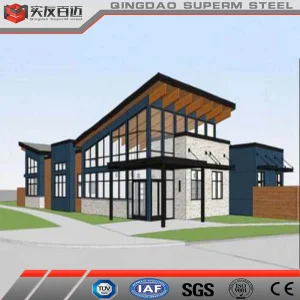
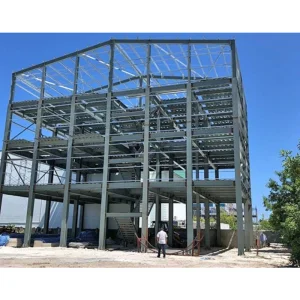
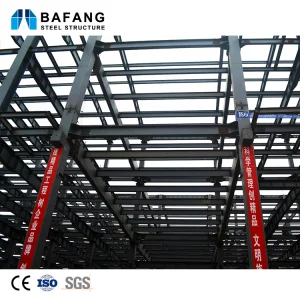
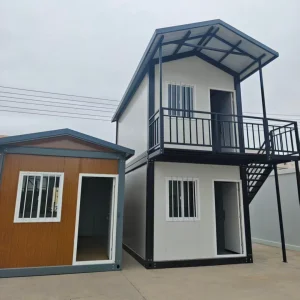
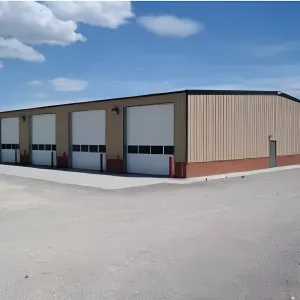
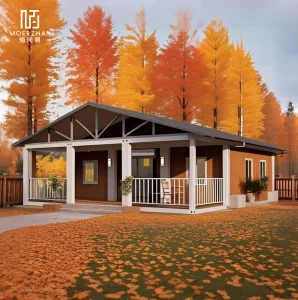
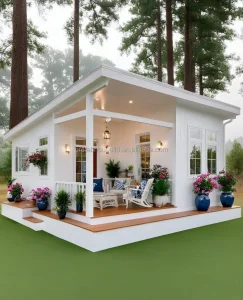
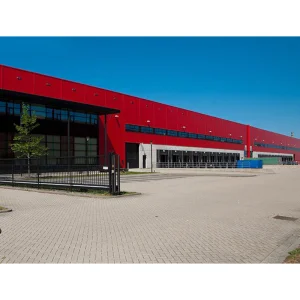
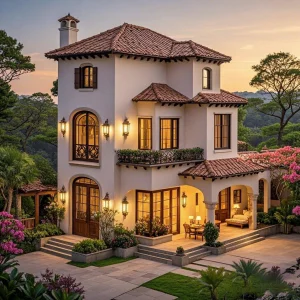
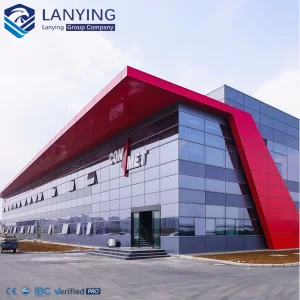
Explore our flagship configurations built with precision structural grade steel frameworks.
The global construction market is undergoing an unprecedented transition driven by structural efficiency, environmental mandates, and the rising demand for resilient housing. Heavy masonry and traditional timber frames are increasingly replaced by engineered steel residential houses. Modern steel structures offer the ultimate ratio of strength-to-weight, which dramatically lowers foundational requirements while facilitating design architectural freedom. According to international green building guidelines, structural steel frames possess a recyclability rate of nearly 98%, making them a cornerstone for projects aiming for LEED or BREEAM certifications.
"Urban centers worldwide face massive housing deficits. Fast, modular, and structurally sound methods are no longer alternative solutions—they are primary infrastructure imperatives. Steel residential structures built in audited Chinese factories bridge this gap by bringing precision aerospace engineering methodologies directly to the job site."
Furthermore, steel residential systems inherently withstand environmental hazards that damage traditional buildings. Termites, structural rot, mold infestation, and high seismic events present minimal threat to galvanized or light-gauge steel frameworks. By utilizing high-tensile steel grades like Q235 and Q355 with tailored anti-corrosion zinc coatings, manufacturers in China deliver buildings engineered to last over 50 years with minimal ongoing maintenance costs. This long-term performance profile makes pre-engineered steel housing highly appealing to municipal developers and commercial property investors alike.
International buyers looking to import steel structures from China face a complex web of technical standards. Procurement directors at real estate conglomerates, construction firms, and governmental departments must ensure that off-site prefabricated components strictly align with their specific local building codes. In the European Union, structural calculations must adhere to Eurocodes (specifically EN 1993 for design of steel structures), while North American projects must comply with the International Building Code (IBC) and reference standards from the American Institute of Steel Construction (AISC) and the American Iron and Steel Institute (AISI).
To address this complexity, premier Chinese manufacturers have evolved their engineering processes. Leading teams utilize specialized CAD, Tekla Structures, and BIM (Building Information Modeling) platforms to execute multi-hazard engineering analyses, accounting for:
Custom structural calculations for locations prone to severe weather, ensuring wind load resistance up to 0.6KN/㎡ (equivalent to Category 12-15 typhoons).
Ductile framing systems engineered to isolate and absorb seismic waves, compliant with local earthquake safety parameters (up to Magnitude 8-9).
Integration of polyurethane (PU), mineral rock wool, or EPS core sandwich panels to meet strict U-value thermal transmission requirements.
This deep integration of engineering design allows Foshan Umo House to work directly with international clients as a dedicated OEM/ODM manufacturer. The process begins with structural checks to ensure compliance with AS/NZS 1170, BS 5950, and other relevant regional standards, ensuring smooth site approval by local building inspectors.
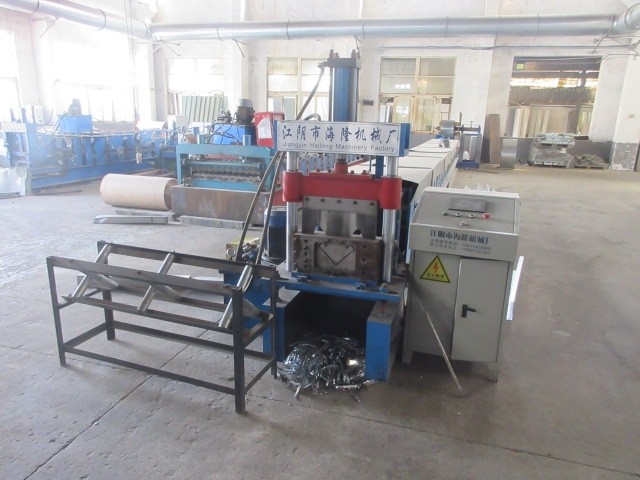
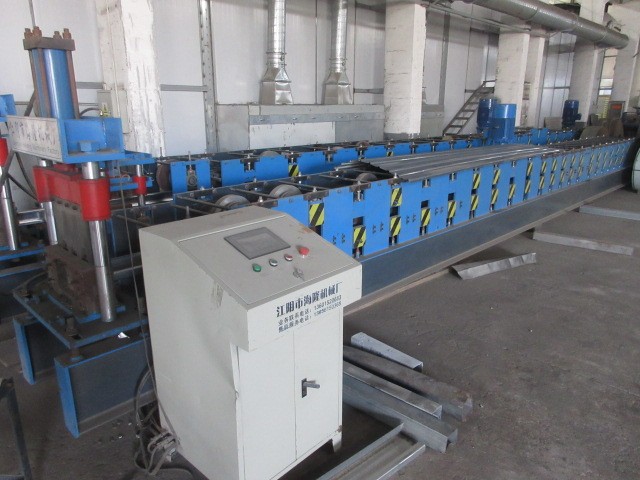
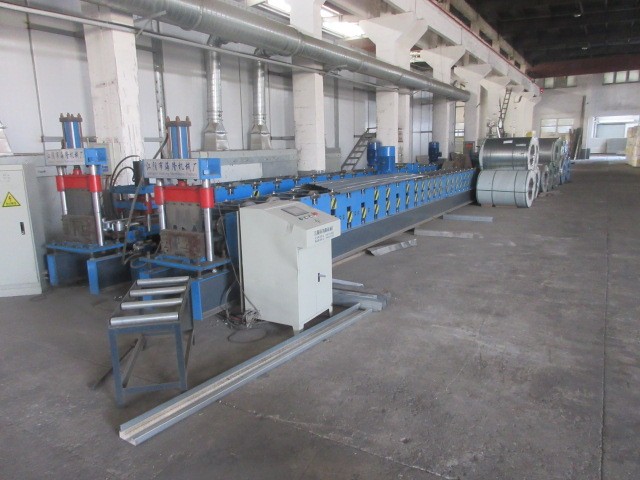
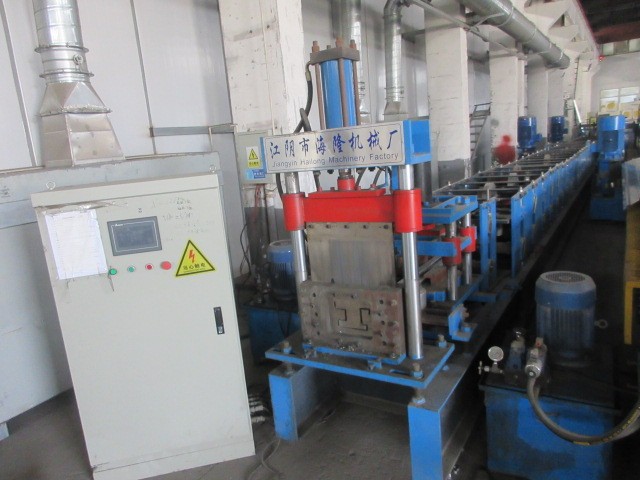
The manufacturing capabilities of Chinese steel structure factories have advanced significantly beyond basic welding and cutting workshops. Modern manufacturing hubs like Foshan integrate Industry 4.0 production practices to maintain dimensional accuracy and product consistency. Computer-controlled roll-forming machinery translates CAD files directly into physical framing components, keeping tolerances below 0.5mm. This high level of precision is critical when fabricating modular container homes or multi-story steel frame office buildings, ensuring every component aligns perfectly during on-site assembly.
Beyond structural design, the complete supply chain ecosystem in Southern China offers significant advantages. By grouping primary steel sourcing, structural engineering firms, hot-dip galvanization facilities, and insulation manufacturers in close proximity, Foshan Umo House Co., Ltd. effectively mitigates material shortages and logistical delays. This localized efficiency enables faster delivery times compared to western builders, allowing clients to complete construction projects months ahead of schedule.
| Performance Indicator | Light Steel Frame (LGS) Houses | Structural Hot-Rolled Heavy Steel | Traditional Timber Construction | Reinforced Concrete (Cast-in-situ) |
|---|---|---|---|---|
| Pre-Engineered Precision | Excellent (< 0.5mm tolerance) | High (< 1.0mm tolerance) | Moderate (Subject to warping) | Low (High tolerance variance) |
| Construction Speed | Extremely Fast (weeks) | Fast (weeks to months) | Moderate | Slow (due to curing cycles) |
| Seismic Resistance | Outstanding (Lightweight structural elasticity) | Outstanding (Rigid ductile frame) | Good (Vulnerable at joinery) | Brittle (Heavy structural mass) |
| Environmental Recyclability | 100% recyclable components | 100% recyclable components | Biodegradable but high waste | Very low (Downcycled as aggregate) |
Steel residential structures must adapt to the environment where they are built. Modern manufacturers must customize their modular designs for different regions to ensure comfort, structural safety, and longevity:
In humid coastal zones with high salt levels, steel is susceptible to rust. To prevent this, structural framing is treated with thick hot-dip galvanization (minimum coating mass of Z275g/㎡) or Galfan (zinc-aluminum alloy). This layer is backed by exterior-grade PU coatings to protect the steel frame from galvanic corrosion and extend its service life.
In hot desert regions, preventing thermal bridging is key. Roof and wall assemblies incorporate dedicated ventilation gaps and double-sided reflective radiant barriers alongside rockwool insulation, preventing outdoor heat from transferring to the living spaces and reducing cooling costs.
For colder climates, framing must prevent heat loss. Exterior walls utilize continuous composite panels to eliminate thermal bridges. Triple-glazed insulated windows with low-emissivity coatings help maintain comfortable indoor temperatures even in winter conditions.
Key technical answers to simplify and secure your procurement process.
Engineered for swift field deployment, versatile modularity, and high seismic safety profiles.
Foshan Umo House Co., Ltd. is a professional manufacturer specializing in steel structure houses, prefabricated steel buildings, modular housing systems, and customized construction solutions in China. With extensive industry experience and advanced manufacturing capabilities, we provide durable, efficient, and sustainable building solutions for residential, commercial, industrial, and institutional projects worldwide.
Our comprehensive product portfolio includes steel structure houses, prefabricated homes, modular buildings, steel frame villas, portable houses, expandable homes, labor camps, site offices, warehouses, workshops, commercial buildings, schools, hospitals, dormitories, agricultural buildings, and customized steel construction projects. Every solution is engineered to deliver rapid installation, superior structural performance, cost efficiency, and long service life.
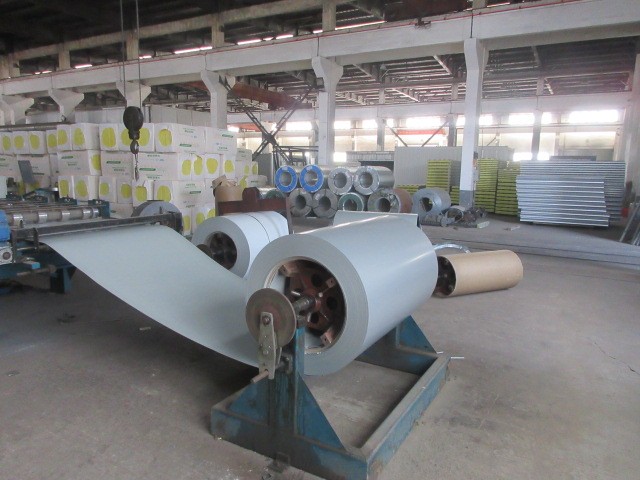
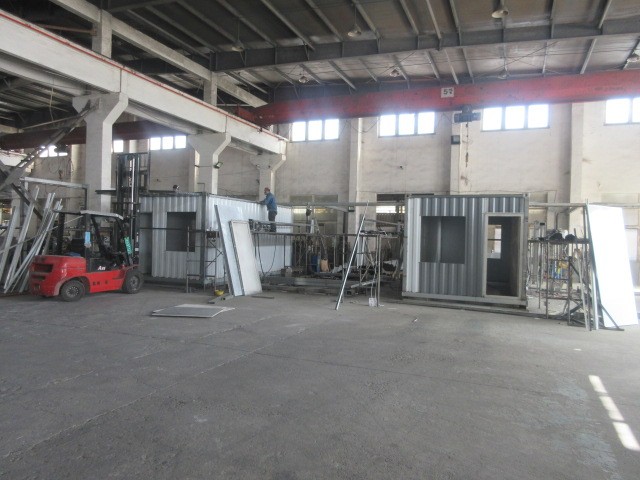
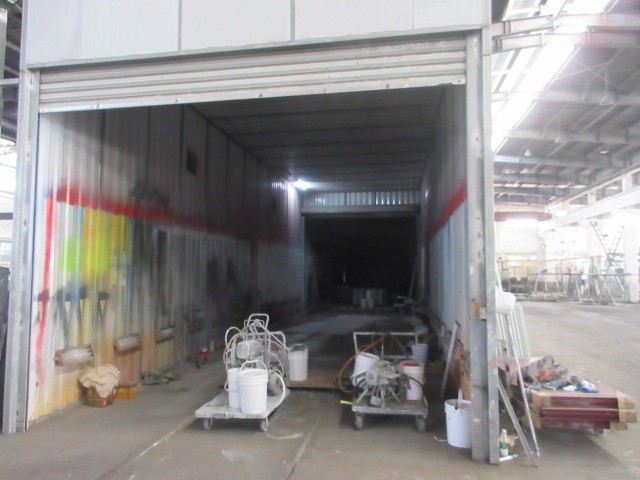
At Umo House, we utilize advanced production equipment and precision manufacturing technologies to ensure every component meets strict international quality standards. Our experienced engineering team provides complete OEM and ODM services, supporting customized architectural design, structural calculations, insulation systems, roofing, wall panels, electrical layouts, plumbing, interior finishing, and project-specific requirements.
Built with premium galvanized steel structures and high-performance building materials, our products offer excellent resistance to corrosion, earthquakes, strong winds, and harsh weather conditions. They also provide outstanding thermal insulation, energy efficiency, and low maintenance, making them suitable for both temporary and permanent construction applications.
Our steel structure solutions are widely used in residential communities, commercial complexes, industrial facilities, logistics centers, mining camps, construction sites, tourism resorts, educational institutions, healthcare projects, government infrastructure, and emergency relief programs. We continuously invest in research, product innovation, and manufacturing optimization to meet the evolving needs of global customers.
Today, Foshan Umo House exports its products to Europe, North America, South America, Southeast Asia, the Middle East, Africa, and Oceania, building long-term partnerships with contractors, developers, distributors, and engineering companies around the world. As a trusted steel structure house manufacturer in China, Foshan Umo House is committed to delivering premium-quality products, competitive pricing, flexible customization, reliable project support, and on-time delivery. We strive to provide innovative modular construction solutions that create lasting value for customers across the global market.
 Umo House