High-load steel systems, modular cabins, luxury structural villas, and rapid-assembly industrial designs built to global building standards.
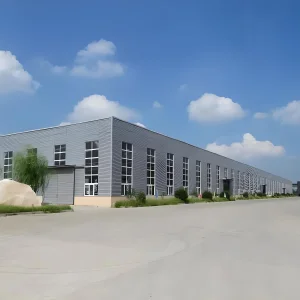
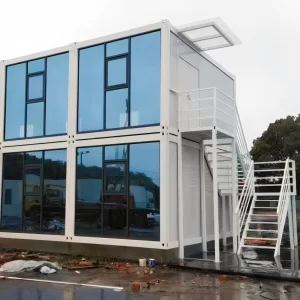
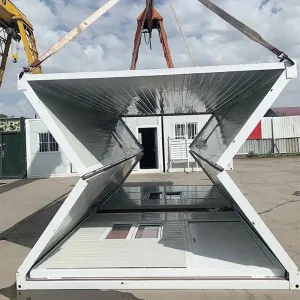
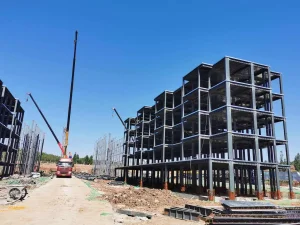
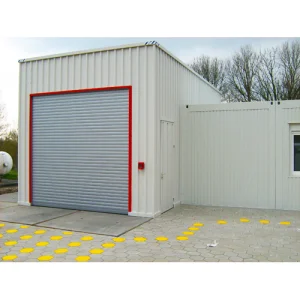
In the modern era of commercial and industrial infrastructure development, structural efficiency, material optimization, and rapid deployment schedules have become the core KPIs of project success. Custom steel design has evolved from basic structural fabrication to complex parametric engineering models. High-grade hot-rolled structural steel sections, cold-formed light-gauge steel frameworks, and advanced pre-engineered metal buildings (PEMB) now form the backbone of urban and industrial developments globally.
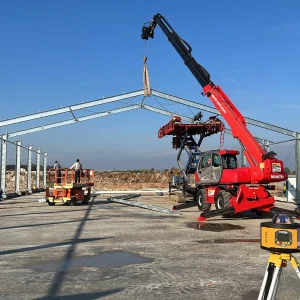
This transformation is fueled by the growing integration of Design for Manufacture and Assembly (DfMA) methodologies. DfMA bridges the gap between architectural concept designs and off-site manufacturing. By utilizing precise parametric modeling, factories can execute complex cutting, bending, drilling, and welding operations with high precision. This off-site process guarantees that the field assembly is fast, cost-effective, and safe, greatly reducing on-site modifications and material waste.
For engineering procurement managers, general contractors, and master developers, sourcing custom steel structures from China is a strategic decision that balance manufacturing efficiency, cost structures, and compliance requirements. Modern procurement teams face multiple logistical, structural, and regulatory challenges. Ensuring consistent steel grades (e.g., ASTM A36, Q355B, S355JR), proper galvanization coating thickness (such as Z275 values), and compliance with structural load criteria for wind load, seismic activities, and dead loads are critical factors.
Foshan Umo House Co., Ltd. addresses these procurement demands through comprehensive quality management processes, material traceability protocols, and customizable OEM/ODM structural solutions. By offering integrated engineering calculations, localized layout drawings, and containerized logistics, Umo House streamlines the international procurement cycle for projects ranging from mining labor camps to commercial office villas.
The integration of high-performance envelope materials with light-gauge and heavy steel framing has revolutionized prefab structures. Modern modular sandwich panels (PIR, PUR, Rockwool) provide high thermal insulation (low U-values) alongside fire-resistance ratings essential for commercial buildings like hospitals, schools, and offices.
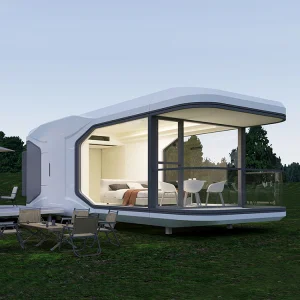
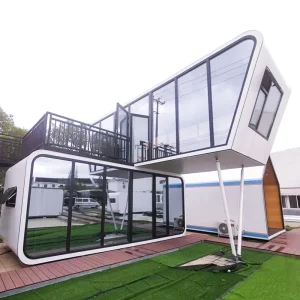
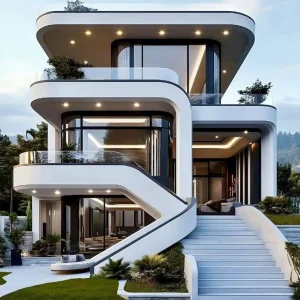
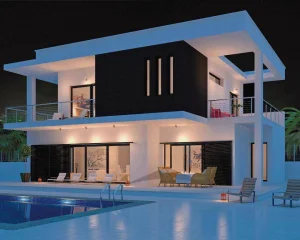
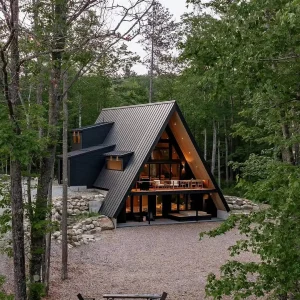
Additionally, custom architectural configurations like Apple cabins, camping capsule modules, and luxury multi-storey residential steel villas leverage the strength-to-weight ratio of high-tensile structural steel. These systems allow for larger clear spans, cantilevered floors, and high glass-to-wall ratios while maintaining structural integrity in seismically active and coastal, hurricane-prone environments.
Engineered assemblies designed for heavy-duty, fast-track, and extreme weather projects around the world.
Engineered using advanced structural calculation software (SAP2000/STAAD.Pro). Our customized designs comply with local building regulations for wind speed resistance up to 150 km/h and high seismic zones.
We configure layouts and detail structural connections to conform with international certifications including ASTM (US), Eurocodes (EU), and AS/NZS (Oceania) standards to facilitate straightforward municipal approval.
Umo House modules feature pre-installed electrical conduits, plumbing outlets, and insulation systems. This off-site plug-and-play design reduces final site preparation and deployment timelines by up to 60%.
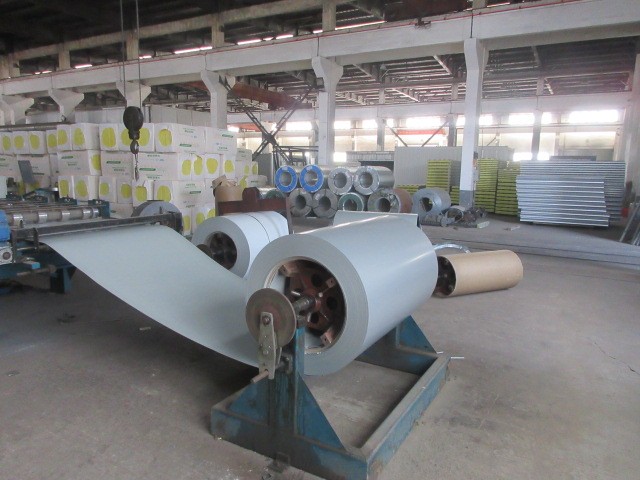
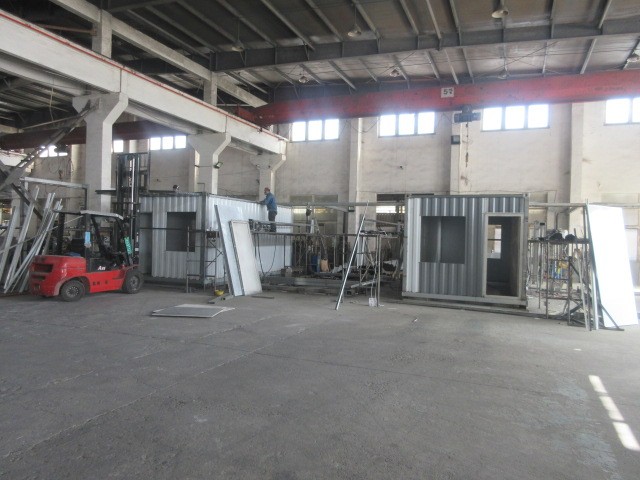
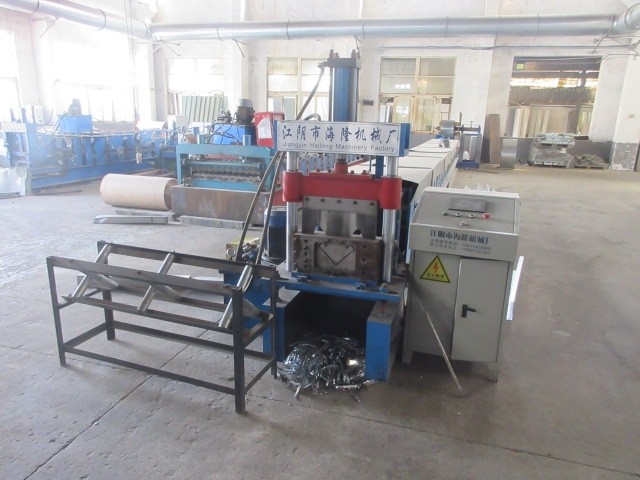
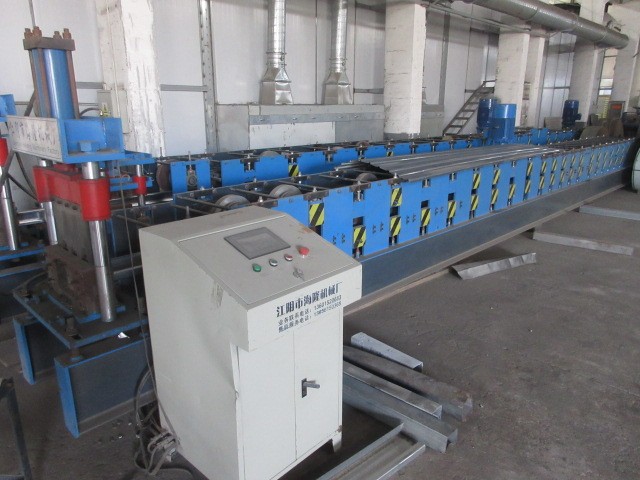
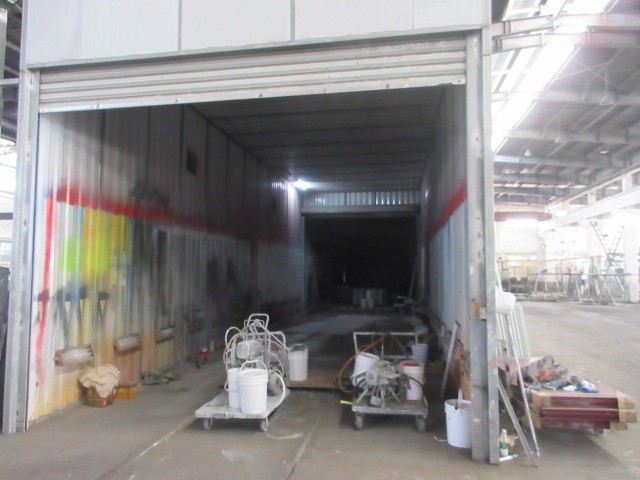
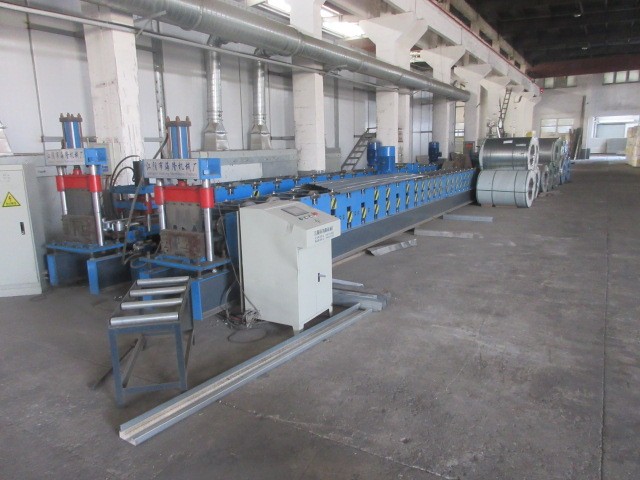
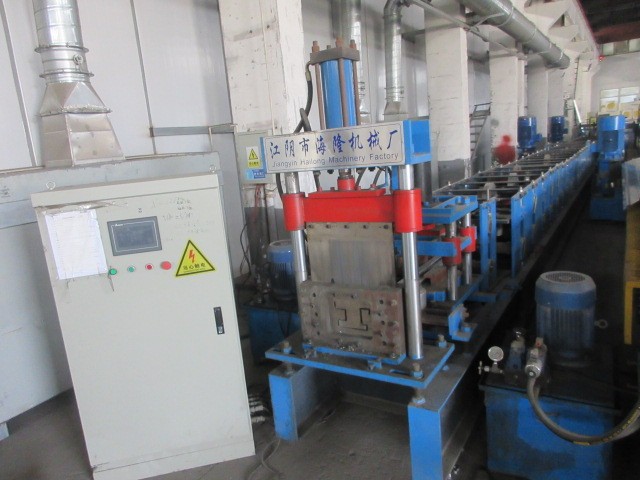
Foshan Umo House Co., Ltd. operates state-of-the-art production floors utilizing automated CNC cutting, robotic welding lines, and professional hot-dip coating facilities.
Our commitment to sustainable steel fabrication, digitalization, and eco-friendly modular structures.
Expert insights addressing steel properties, compliance, custom manufacturing cycles, and modular installations.
At Umo House, we utilize high-tensile carbon structural steels primarily in the Q235B and Q355B (equivalent to ASTM A36 and S355JR respectively) grades for heavy columns, H-beams, and framework components. For cold-formed and light steel framing, we employ hot-dip galvanized steel strips with high zinc coatings (Z275, meaning 275 g/m² coating weight) to guarantee anti-corrosion performance, even in challenging maritime or high-humidity environments (C3-C5 corrosivity classifications).
We provide structural calculation reports, detailed 3D shop drawings, and layout documentation prepared in accordance with the International Building Code (IBC), AISC specifications, and Eurocodes. Our engineers collaborate with local structural engineering partners (PE/Registered Architects) in the buyer's home country to review, stamp, and validate architectural layouts for local municipal approvals.
We offer premium insulation wall and roof panel packages. Depending on the local climate requirements, we offer sandwich wall panels using Polyurethane (PU/PIR), Rockwool (highly recommended for non-combustible fire safety), or EPS cores. Wall thicknesses typically range from 50mm to 150mm. This enables our prefabricated homes and villas to achieve low heat transfer rates (U-values below 0.24 W/m²K), matching the requirements for cold climates.
Permanent steel structures built by Umo House have an engineered design life of over 50 years. The primary galvanized load-bearing frames are protected within the building envelope, preventing oxidation. Annual visual inspections of external paint coatings, roof water channels, joint sealants, and flashings are recommended to optimize performance.
Yes. We specialize in producing large volumes of flat-pack container offices, dormitories, and foldable mobile modules for mining camps, oil field units, and infrastructure hubs. By standardizing component dimensions for shipping container transport and employing fast-deployment structural systems, we can dispatch housing for thousands of workers within several weeks.
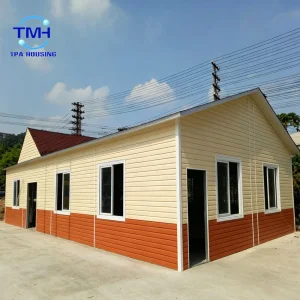
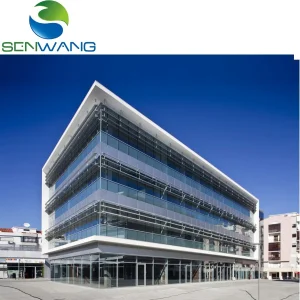
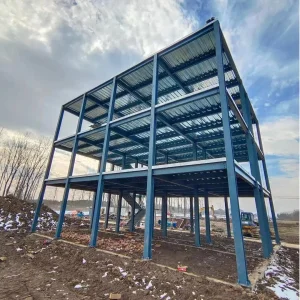
Browse our specialty cabins, containerized structures, school modules, and multi-storey frame structures.
 Umo House