Discover our primary lineup of modular frameworks, steel villas, and infrastructure units engineered for optimal solar compatibility, seismic resilience, and fast deployment.
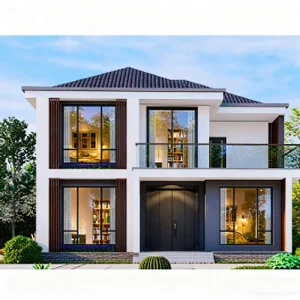
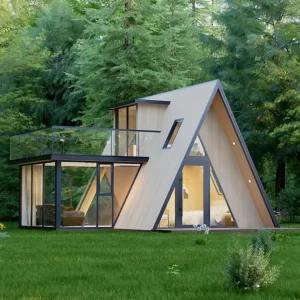
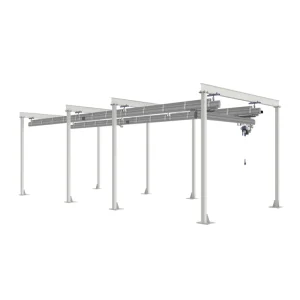
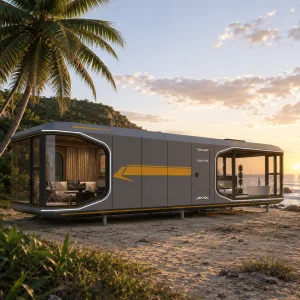
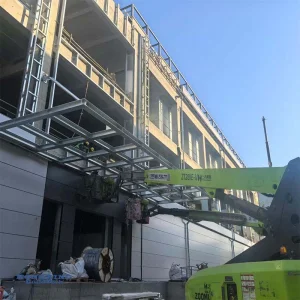
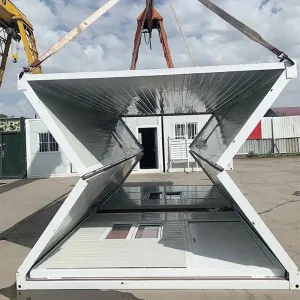
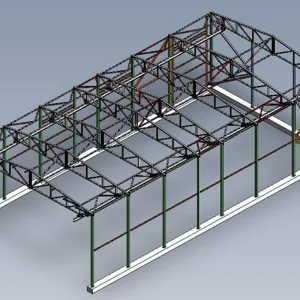
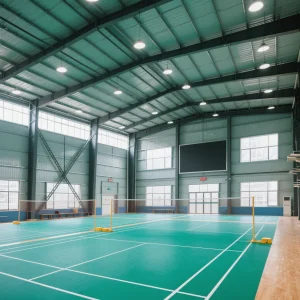
In the era of rapid grid decarbonization and shifting global climate directives, structural steel has emerged as the definitive backbone of sustainable modern construction and clean energy infrastructure. The deployment of steel energy solutions spans beyond simple frameworks; it covers robust structural components engineered to host building-integrated photovoltaics (BIPV), high-capacity industrial systems, energy conservation facilities, and smart off-grid modular shelters. In rugged environments where traditional building styles fall short, light gauge steel and high-tensile hot-dip galvanized structural profiles provide the physical durability necessary to weather changing external forces.
Modern prefab steel units reduce site installation schedules by up to 50% compared to typical concrete works while providing a circular lifecycle footprint, matching strict ESG reporting directives (such as Scope 3 carbon limits) for global developers.
By partnering with a top-tier Chinese manufacturer like Foshan Umo House Co., Ltd., global enterprises gain access to refined fabrication techniques that meet strict Western engineering codes (such as Eurocodes, ASTM, and AS/NZS). From remote solar support frames to pre-engineered, thermally insulated multi-story commercial projects, our focus on precision ensures every structure acts as an efficient system, lowering overall lifecycle costs and minimizing environmental footprints.
Foshan Umo House Co., Ltd. operates at the intersection of high-precision structural engineering and advanced architectural design. We specialize in producing light gauge steel frames, complex commercial structures, and multi-functional modular buildings. Leveraging modern computerized modeling tools (like Tekla Structures and AutoCAD) allows our design engineers to transition seamless OEM/ODM requests into structurally sound assemblies ready for remote site setup.
Structural integrity begins with robust material standards. Our steel products employ high-grade hot-dip galvanized steel (Q235B and Q355B/S355JR compliance options), treating all base components to withstand extreme maritime or highly humid atmospheric environments. This process ensures a uniform outer zinc barrier that prevents oxygen and moisture penetration. The addition of advanced sandwich panels (using PU, PIR, or high-density rockwool cores) ensures superior fire resistance (Class A rating) and excellent thermal performance values (U-value as low as 0.22 W/m²K), which cuts down active HVAC energy consumption in the completed structure.
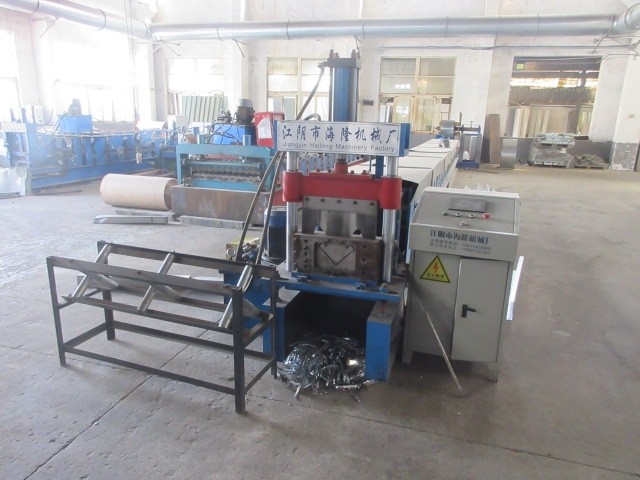
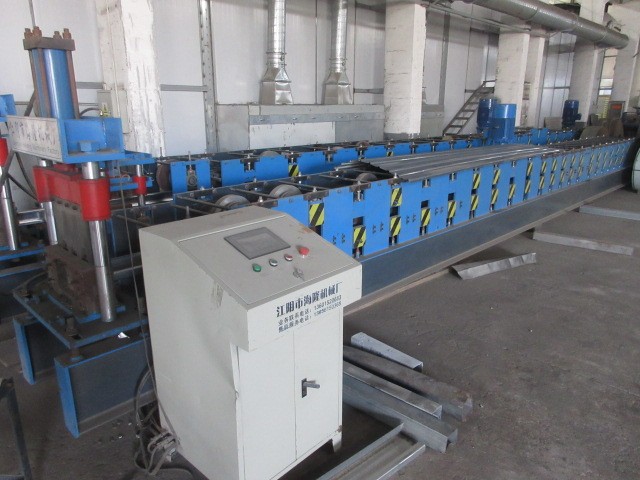
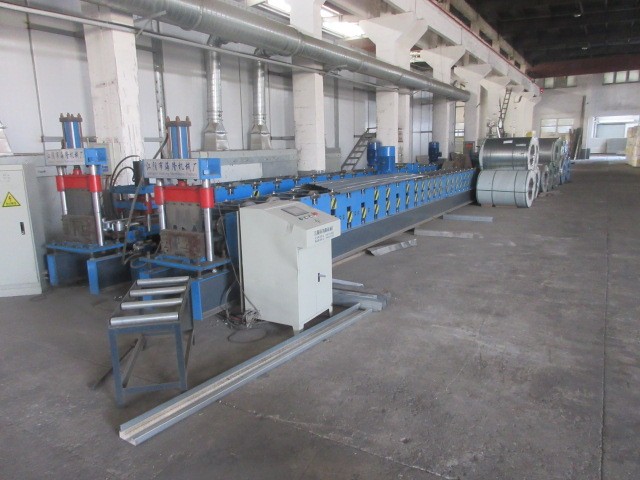
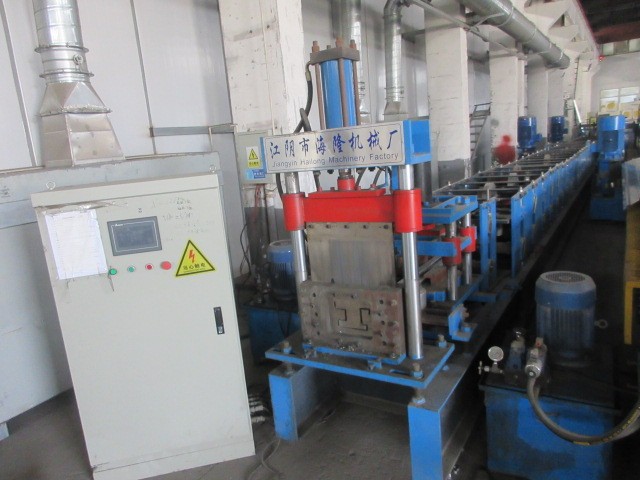
Operating from Foshan, Guangdong Province—the center of China's advanced manufacturing and industrial logistics sector—Foshan Umo House Co., Ltd. benefits from a comprehensive upstream and downstream network. We leverage integrated roll-forming technologies and automated welding machinery to maintain strict tolerances, reducing panel deviations to within 0.5 mm.
Our shipping structures are optimized to minimize overseas transportation rates. By nesting steel components together in flat-pack formats, we maximize ocean container capacity, which cuts logistics emissions and ocean freight expenses by up to 40% compared to pre-assembled cargo.
Every structural bolt-hole, splice plate, and frame track is cut using automated CAD-to-machine processes. This reduces field alignment errors to near zero, eliminating the need for on-site welding or cutting, thereby speeding up site workflows and lowering deployment risk.
As global sustainability policies demand stricter compliance, our engineering roadmaps focus on integrating intelligent, energy-saving infrastructure directly into modular steel frameworks. This includes structural integration of thin-film solar PV arrays on roofing decks, preparing buildings to serve as active energy-generation hubs. By engineering custom roof load-bearing pathways, we ensure that adding solar systems does not compromise structural safety under extreme wind or heavy snow events.
| Technology Focus | Current Specification | Future Integration Target (2025–2030) | Environmental/Operational Impact |
|---|---|---|---|
| Thermal Envelope | 100mm PU / Rockwool sandwich paneling | Vacuum Insulated Panels (VIP) & Phase Change Materials | Reduces active heating/cooling loads by 35% |
| PV Integration | Standard bracket roof mounting | Fully integrated Building Integrated Photovoltaics (BIPV) | Enables net-zero carbon operations for off-grid sites |
| Corrosion Resistance | Hot-Dip Galvanized Zinc Layer (Z275) | Magnesium-Aluminum-Zinc (ZAM) self-healing alloys | Extends building life in heavy saline environments up to 75 years |
| Smart Monitoring | Standard manual inspections | Embedded IoT stress sensors in load points | Real-time structural health diagnostics via cloud dashboard |
Foshan Umo House Co., Ltd. products are engineered to align with national building codes worldwide. From regional wind loads in the Caribbean to specific thermal insulation parameters in Northern Europe, our projects are designed to pass structural and safety audits.
We provide structural analysis reports for wind speeds up to 121+ mph, corresponding to Category 5 hurricane ratings. Our light steel profiles feature ductile framing that safely disperses seismic forces, aligning with international regulations like Eurocode 8 or IBC Chapter 16.
All components are manufactured under an ISO 9001:2015 quality management system. Raw structural steel includes Mill Test Certificates (MTC) proving yield strength, elongation limits, and precise chemical compositions, supporting trace-back accountability from mill to building site.
Engineering procurement managers prioritize structural safety, predictable lead times, and ease of installation when sourcing modular assemblies. Below is our visual checklist illustrating the essential criteria we meet for every international order:
Detailed insights to address common technical, engineering, and logistics questions from procurement and project managers.
Examine our warehouse systems, agricultural buildings, and specialized space pod solutions designed for international developers and large industrial centers.
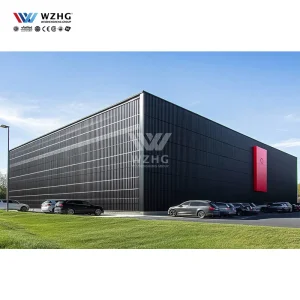
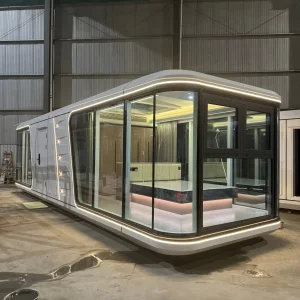
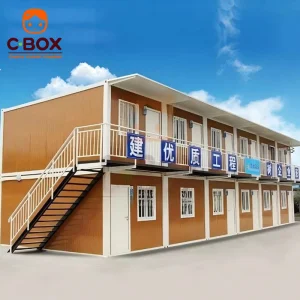
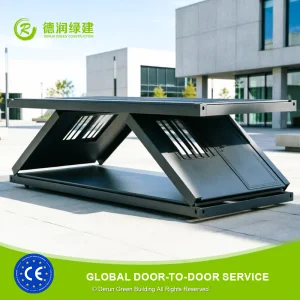
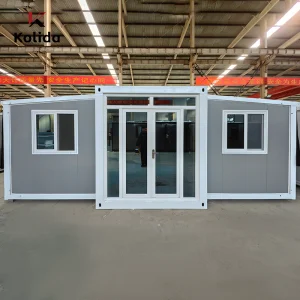
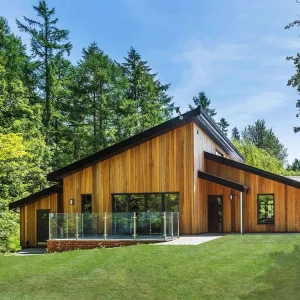
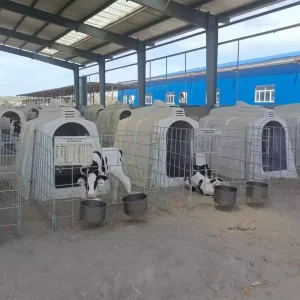
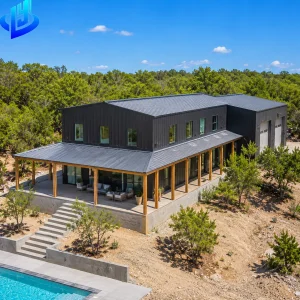
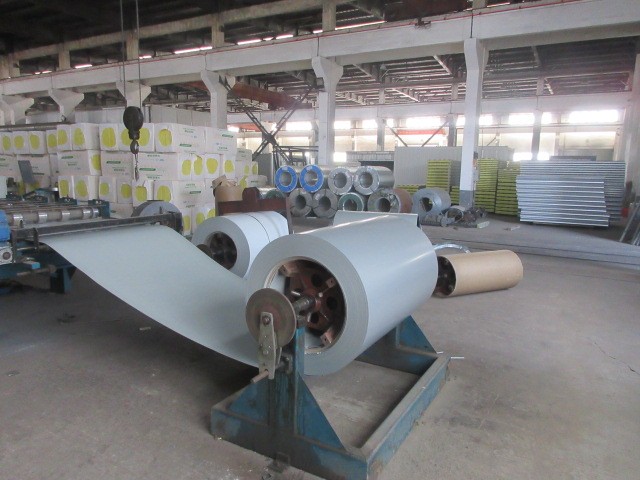
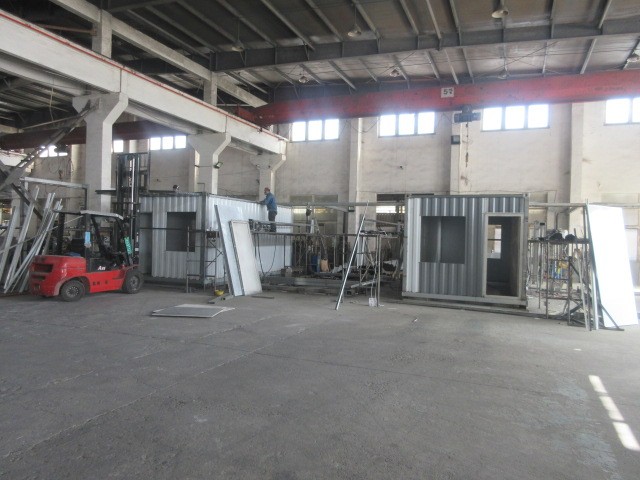
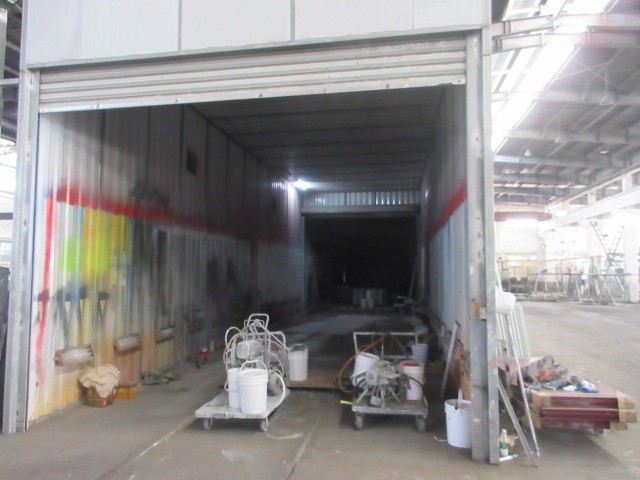
We maintain production capacity, testing capabilities, and structural quality control systems at our modern factory in Foshan. Below is a look at our current facilities, raw material inventories, pre-assembly areas, and global project examples:
 Umo House