The construction landscape of the Netherlands is undergoing a fundamental transformation. Driven by stringent EU directives, the localized Dutch Building Decree (Bouwbesluit), and pressing environmental regulations such as the nitrogen emission crisis (Stikstofcrisis), developers are moving away from traditional carbon-heavy concrete casting and masonry. Modern structural solutions are now evaluated not only on direct material costs but on their cradle-to-cradle lifecycle impacts and operational footprint.
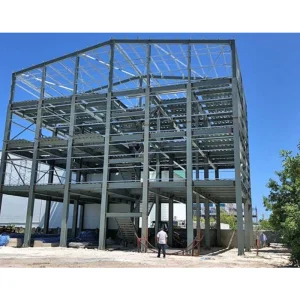
In this challenging market environment, hot-dip galvanized steel structures have emerged as the premier structural framework. They offer a rare confluence of mechanical properties that address the structural and environmental pressures unique to North-Western Europe:
Steel is a permanently available material. Under the Dutch Circular Economy Action Plan, which aims for a 100% circular construction sector by 2050, structural steel frames from Foshan Umo House are highly competitive. They are fully demountable, recyclable, and retain their mechanical properties at end-of-life, supporting circular material passports (Madaster) across the European Union.
On a global scale, the industrial and commercial construction sectors are facing labor shortages, rising material volatility, and the need for shorter project timelines. In response, off-site construction methods are replacing traditional on-site building practices. Modern prefabrication shifts over 85% of the construction workflow from the unpredictable building site to a controlled factory environment.
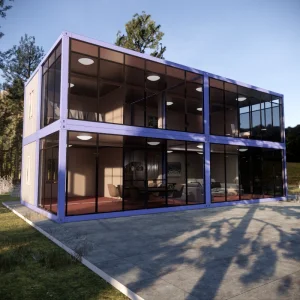
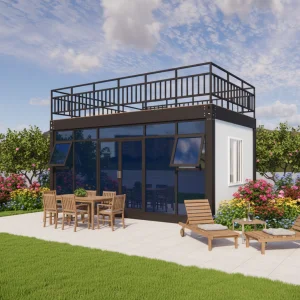
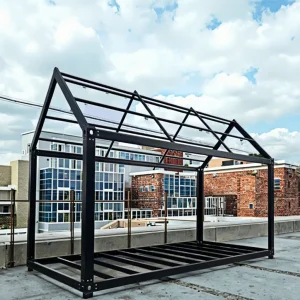
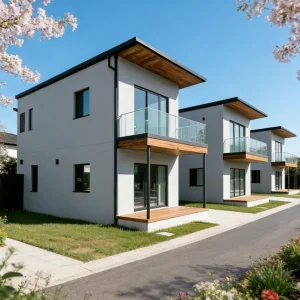
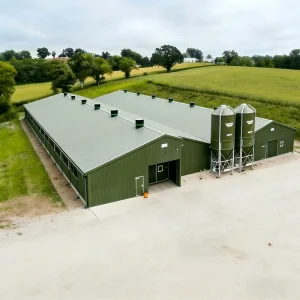
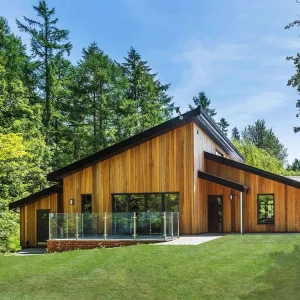
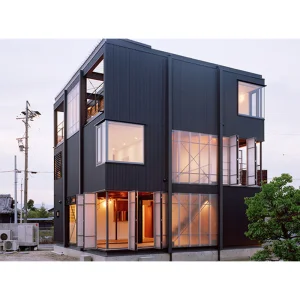
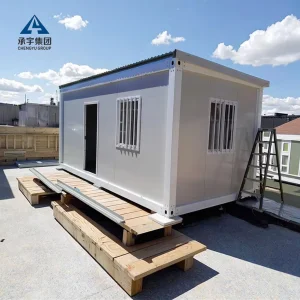
This industrialized shift is particularly evident in sectors requiring highly repeatable, high-precision configurations: modular student housing, logistics hubs, temporary healthcare facilities, agricultural warehouses, and pre-engineered villa projects. Galvanized steel framing serves as the structural backbone for these systems. Its high strength-to-weight ratio allows for longer spans, larger window openings, and reduced foundation loads, leading to cost savings on complex geotechnical engineering projects in delta regions like the Netherlands.
| Structural Material Type | Lifespan (Coastal Env.) | On-Site Assembly Speed | Recyclability & Reuse Rate | CO₂ Footprint (Local Assembly) |
|---|---|---|---|---|
| Hot-Dip Galvanized Steel Frame | 50 - 75+ Years (Maintenance-Free) | Rapid (Bolted Connection) | 100% (High Scrap Value) | Extremely Low (Dry Assembly) |
| Traditional Reinforced Concrete | 30 - 50 Years (Prone to Spalling) | Slow (Curing & Formwork Required) | <30% (Downgraded Rubble) | High (On-Site Casting Processes) |
| Untreated Structural Softwood | 15 - 25 Years (Requires Treatment) | Moderate (Highly Weather Dependent) | Varies (Prone to rot / Bio-destruction) | Low (Carbon Sink, High Maintenance) |
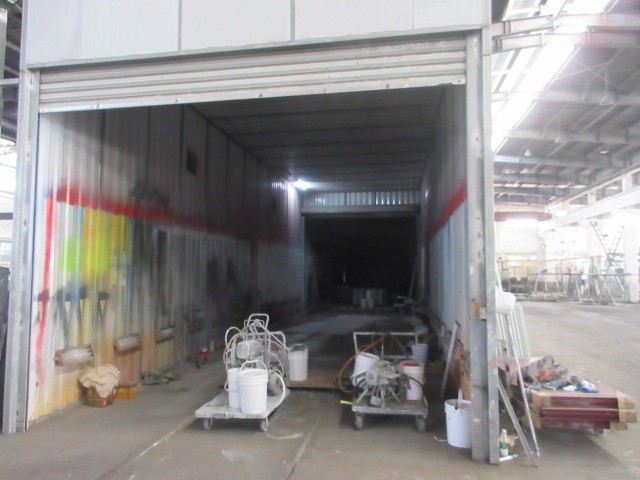
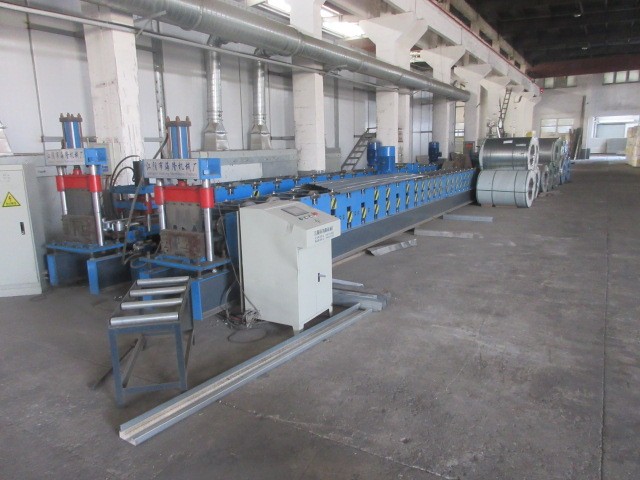
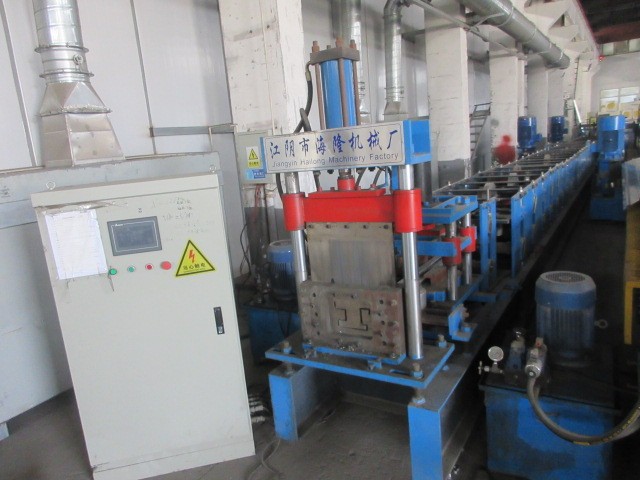
Foshan Umo House Co., Ltd. bridges the gap between high-precision Chinese steel manufacturing capacity and strict European construction standards. Operating out of the industrial manufacturing hub of Foshan, Guangdong Province, we utilize high-speed automated production lines and roll-forming machinery to deliver quality-controlled structural components directly to international ports, including Rotterdam.
Our structural engineering advantage is built on four core pillars:
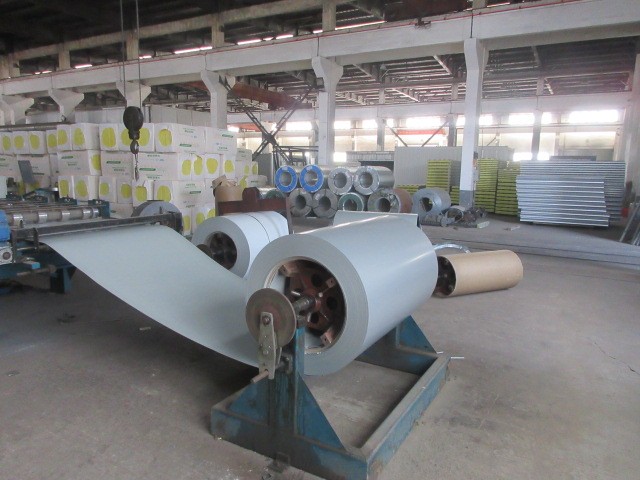
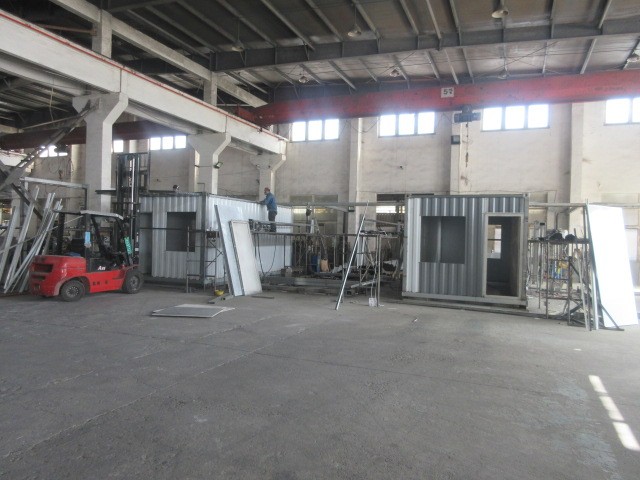
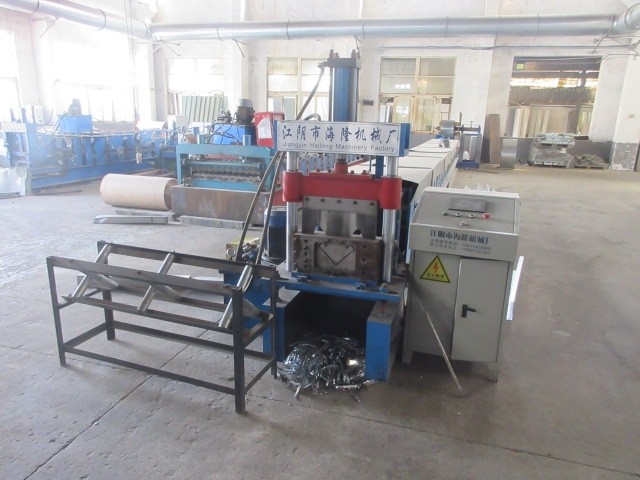
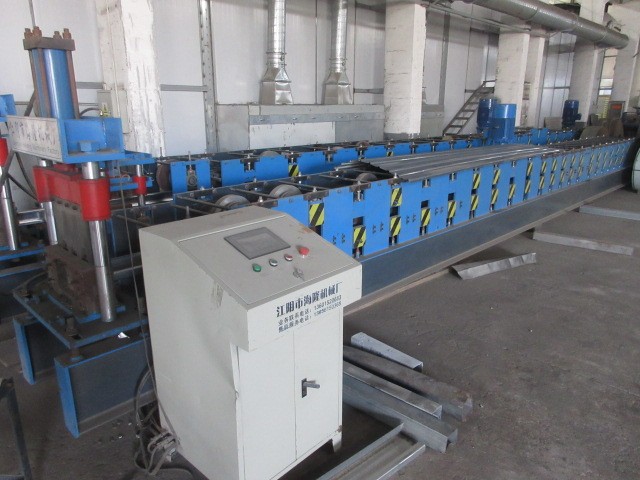
The versatility of hot-dip galvanized steel components allows for a wide range of regional applications in the Netherlands and neighboring European countries:
To comply with the stringent Dutch energy targets (BENG rules), our galvanized structural systems are engineered to integrate with high-density polyurethane (PU) or rockwool insulation boards. This design minimizes thermal bridging, achieves low U-values (down to 0.15 W/m²K), and reduces overall energy demand.
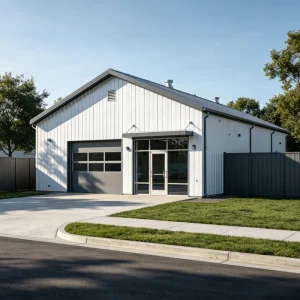
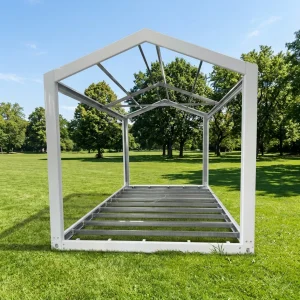
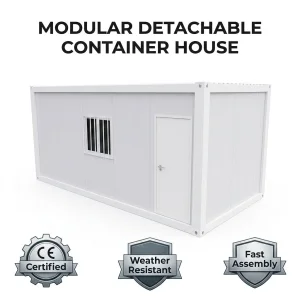
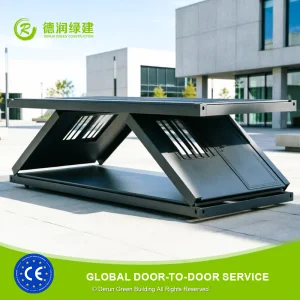
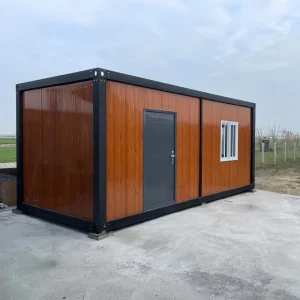
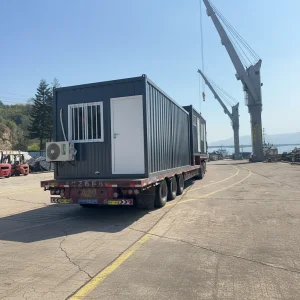
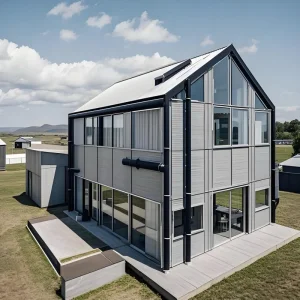
For international building contractors, purchasing agents, and project developers, structural reliability is a primary consideration. Foshan Umo House ensures high quality at every stage of the manufacturing process, from design validation to final delivery:
In coastal zones categorized under C4/C5 corrosion levels (like the coastal areas of the Netherlands), a hot-dip galvanized structural frame with a zinc thickness of 85 microns provides over 50 years of maintenance-free service. The zinc coating erodes very slowly, protecting the load-bearing steel structure underneath.
Yes. Our engineering designs are modeled to comply with Eurocode 3 (EN 1993) for structural steel design. We calculate structural parameters based on localized variables, including Dutch wind zone requirements, local snow loads, and geotechnical soil profiles.
Traditional construction sites generate significant local nitrogen oxide (NOx) emissions through concrete transport, mixing, and prolonged equipment operation. Since our galvanized components are fully prefabricated off-site, installation is a fast dry-assembly process that minimizes on-site heavy machinery runtime and helps developers secure permits under nitrogen limit regulations.
We offer high-density polyurethane (PIR/PU) or rockwool sandwich panels. Depending on the thickness selected (e.g., 100mm to 150mm), these panels provide excellent thermal performance, meeting the heat transfer resistance (Rc value) requirements specified in the Dutch Bouwbesluit.
All components are carefully loaded and secured inside sea containers. Heavy structural columns are bundled using steel bands, while insulated panels are wrapped in protective plastic film and separated by foam blocks to prevent surface abrasions during sea transit.
 Umo House