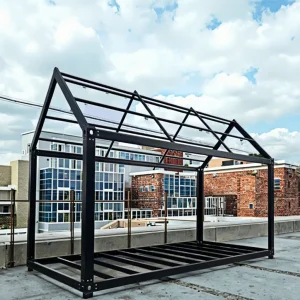
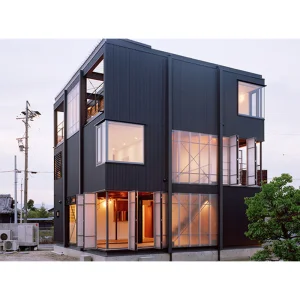
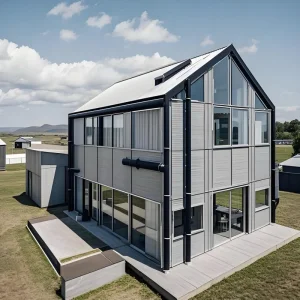
Engineered specifically to balance architectural versatility and structural resilience in Central America's premier shipping hub.
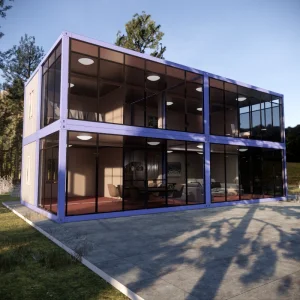
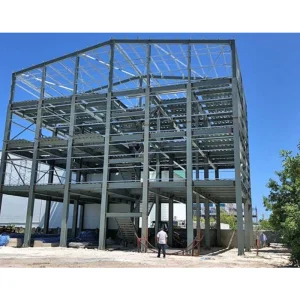
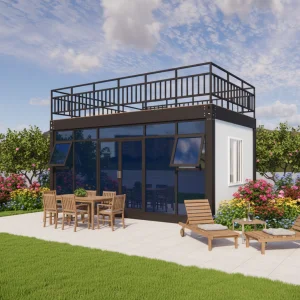
Panama's strategic location as the logistical hub of the Americas, coupled with robust infrastructure investments in the Panama Canal Zone, Panama City, and special economic zones like Panamá Pacífico, has catalyzed a major architectural paradigm shift. The conventional, slow-moving concrete block masonry models are rapidly giving way to structural steel construction. Heavy precipitation patterns, coupled with the seasonal high humidity of tropical climates, demand materials that mitigate biological decay, mold propagation, and structural fatigue. Modern developers in Panama are seeking structural answers that offer rapid installation, low maintenance, and outstanding durability against corrosive conditions.
Foshan Umo House Co., Ltd. serves this dynamic market by manufacturing and exporting high-grade galvanized steel houses and customized modular systems. By capitalizing on precision fabrication technologies in our Chinese facilities, we deliver structural steel homes and framing systems directly to Panamanian ports, saving builders up to 60% in onsite construction schedules. This methodology provides developers, agricultural enterprises, and hospitality operators with code-compliant, durable, and highly insulated building solutions designed to last for generations.
Engineering guidelines to address C5-M marine corrosion and Category 4 tropical wind loads.
Panama's coastal atmosphere possesses high levels of chloride salinity. We apply a minimum Z275 (275g/m² zinc thickness) or AZ150 aluminum-zinc alloy coating to all primary, secondary, and tertiary structural parts. This configuration guarantees a rustproof lifespan exceeding 30 years in C5-M marine environments without additional paint coating cycles.
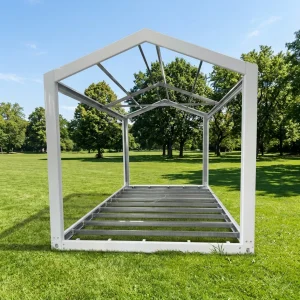
Our designs conform to the Structural Regulations of Panama (REP-2014) and international codes (ASCE 7 / ASTM). Heavy storm dynamics require calculations for wind loads up to 180 km/h. Utilizing cold-formed high-strength light-gauge steel frame (LGSF) technology, our structures achieve elastic deformation without structural failure during high seismic shear waves.
Traditional concrete structures absorb and store solar radiation, leading to high HVAC energy bills. By combining high-performance polyurethane (PIR) and Rockwool sandwich panels with reflective thermal break membranes, we reduce indoor solar heat transfer by up to 45%, lowering air-conditioning power consumption for local businesses and residential developments.
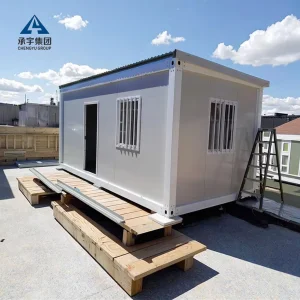
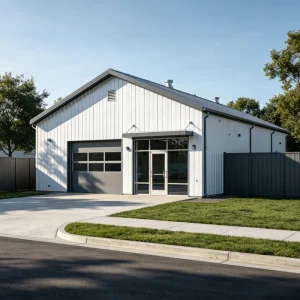
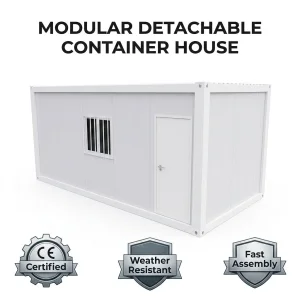
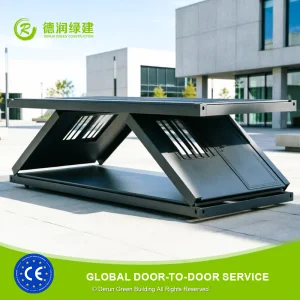
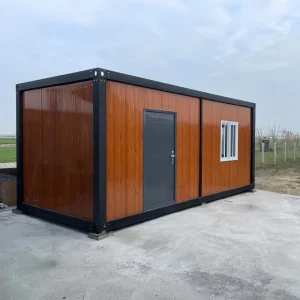
Tailored structures featuring modular expansion capabilities for diverse spatial layouts and structural demands.
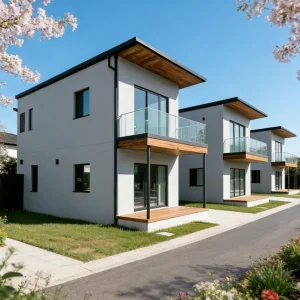
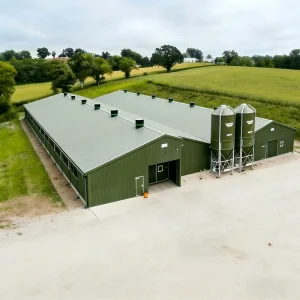
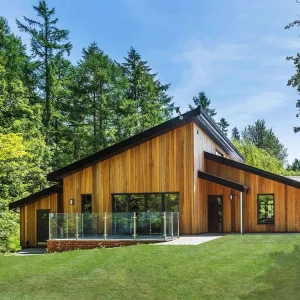
As a leading Chinese steel structure manufacturer based in Foshan, Guangdong—China's major manufacturing hub—Foshan Umo House Co., Ltd. utilizes automated factory systems to optimize costs, minimize material waste, and improve quality control. Our cold-forming mills, automated welding robots, and high-performance coating lines ensure every batch is produced to the highest standards. We maintain close relationships with raw steel suppliers, guaranteeing access to structural grade steel with certified mill reports (MTC) that conform to ASTM, AS/NZS, and ISO standards.
For Panamanian contractors and project managers, sourcing directly from our Chinese plant translates to significant economic advantages. Traditional domestic procurement involves several middle-tier entities that drive up pricing structures. By managing structural layout design, fabrication, finishing, and container consolidation in-house, we eliminate intermediate markups. This integration allows us to provide custom prefab structures directly to major Panamanian entry points, such as the Port of Balboa on the Pacific coast or the Port of Colon on the Atlantic side, under competitive freight arrangements.
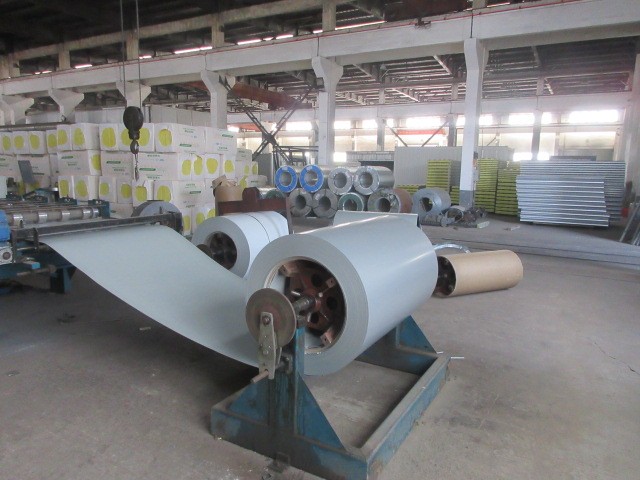
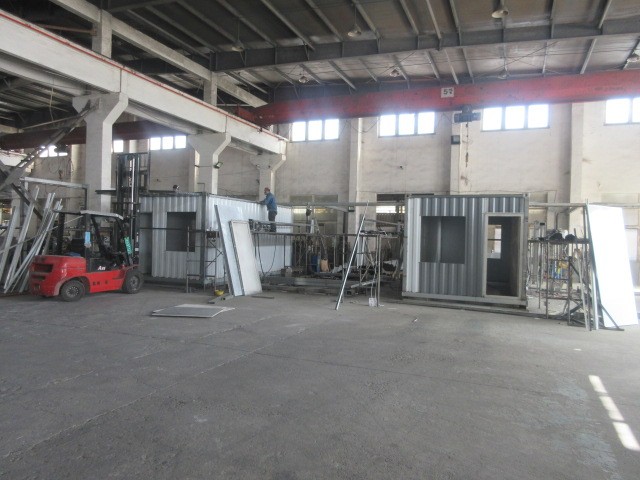
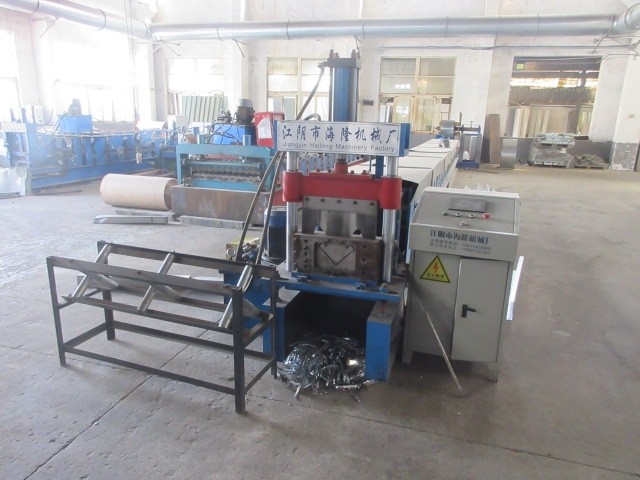
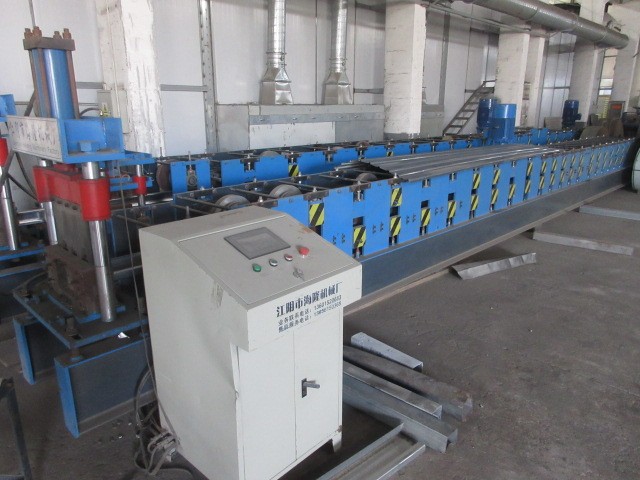
Our Quality Management Systems (QMS) follow strict ISO 9001 protocols. Prior to containerized shipping, our QC engineers conduct full-scale pre-assembly testing. Frame geometry, bolt spacing alignments, and rust-resistant coatings are systematically verified using ultrasonic and magnetic gauge sensors. This quality verification ensures that every structural module fits precisely upon arrival, reducing costly field modifications and structural adjustments at construction sites in Panama.
Navigating the local building code system in Panama is critical for project success. In Panama, structural engineering certifications must comply with the Joint Technical Board of Engineering and Architecture (JTIA) guidelines. At Foshan Umo House, our technical team works alongside local Panamanian engineers and architects. We provide full structural layout calculations, detailed CAD plans, and 3D Tekla structural models, helping project managers secure municipal construction permits quickly.
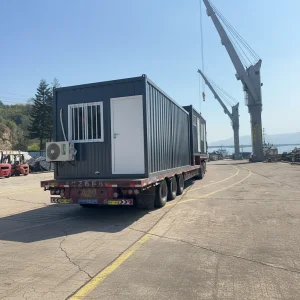
Logistical efficiency is another core strength. Shipping modular structures requires precise container loading plans to optimize freight space and protect parts from sea spray damage. We package all steel profiles using custom protective wrapping, securing components inside open-top or standard 40ft High Cube containers. Every package is labeled with clear alphanumeric coding corresponding directly to the erection assembly manual. This organized labeling system enables local crane operators and construction crews to sort, retrieve, and erect structures in the correct sequence, reducing labor hours and site logistics issues.
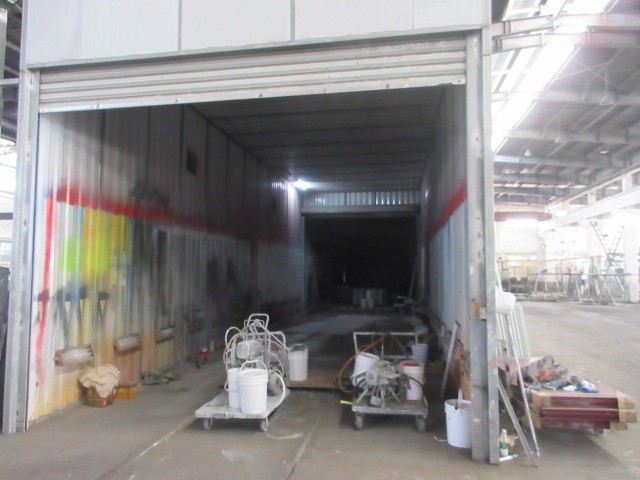
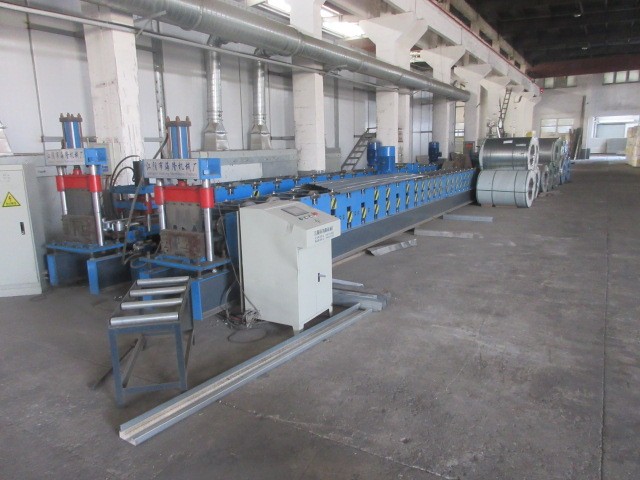
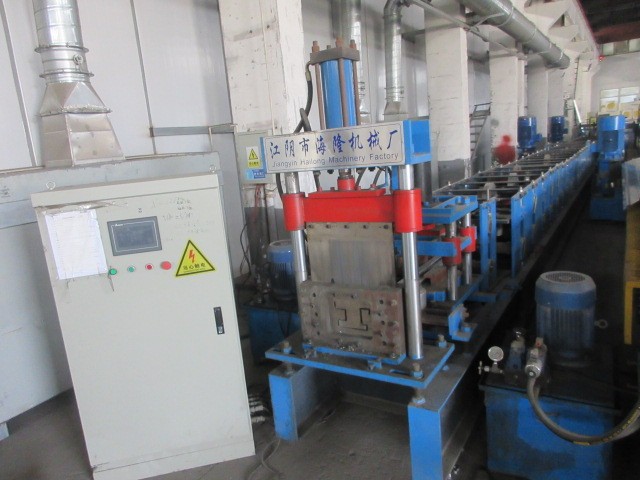
Heavy-duty, custom modular designs engineered for industrial parks, mining sites, and rapid-response requirements.
Crucial engineering insights for project managers, structural engineers, and procurement directors.
Partner with Foshan Umo House for direct factory pricing, certified engineering, and specialized supply chain support.
Send Inquiry Now Umo House