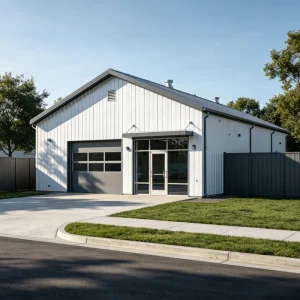
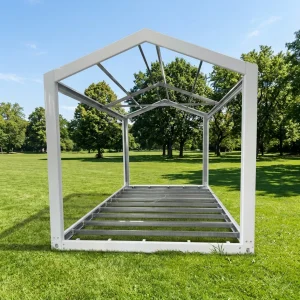
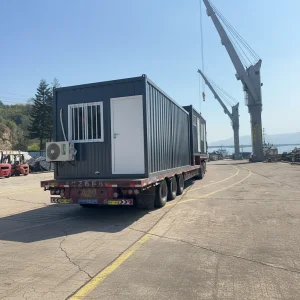
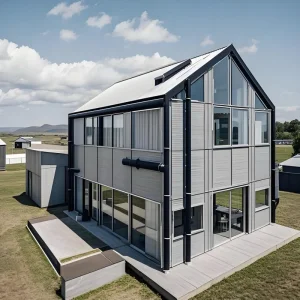
Pre-engineered structural configurations optimized for quick assembly and structural compliance in Portuguese residential zones.
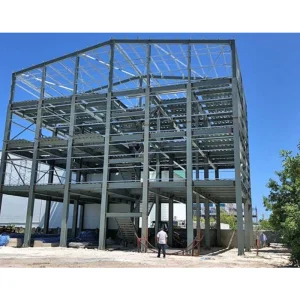
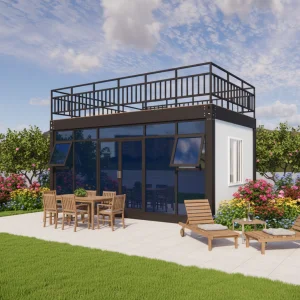
An in-depth analysis of structural integrity, Eurocode compliance, and offsite fabrication dynamics in the Iberian Peninsula.
Portugal exhibits dynamic geological and meteorological features, ranging from the high humidity, marine-saline environments of the Atlantic coastline (Lisbon, Porto, Aveiro) to the intense solar radiation and high summer temperatures of the inland Alentejo and Algarve regions. Furthermore, structural design within Portugal must incorporate stringent earthquake resistance considerations (Eurocode 8 compliance), specifically in zones bordering the Azores-Gibraltar fault system.
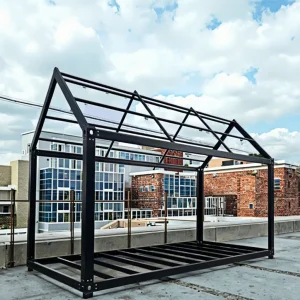
Traditional brick-and-mortar masonry faces significant headwinds in this climate due to long assembly timelines, high carbon intensity, and vulnerability to seismic shifting. In response, modern developers are turning to Hot-Dip Galvanized (HDG) and Light-Gauge Steel (LGS) systems. Zinc-coated structural frames provide sacrificial corrosion protection, ensuring a maintenance-free lifespan exceeding 50 years under Class C4/C5 corrosive atmospheres. The lightweight nature of steel decreases structural dead load, vastly improving safety coefficients during seismic events.
"By moving building processes from erratic coastal weather into a controlled Factory 4.0 setting, construction timeframes in Portugal are compressed by up to 50%, while minimizing material wastage down to less than 2%."
Heavy-duty hot-dip galvanization layers (Z275/AZ150) block moisture and salt-spray ingress, mitigating rust initiation on framing members.
Engineered to handle high wind shear limits along coastal cliffs and dynamic seismic load distribution values required by Portuguese structural codes.
Accommodates double-wall insulation configurations (EPS, Rockwool, PU panels) to meet Portugal's strict RCCTE thermal efficiency standards.
Ensuring compliance, scalability, and robust material specifications across international boundaries.
Foshan Umo House Co., Ltd. coordinates extensive manufacturing resources to supply pre-fabricated buildings that strictly match EN 1090-2 (execution of steel structures) and ISO 9001 quality management guidelines. By choosing Umo House, Portuguese general contractors secure direct-from-factory pricing combined with high-grade fabrication accuracy.
Engineered galvanized systems designed to withstand heavy wind loads, corrosion, and challenging terrain environments in Portugal.
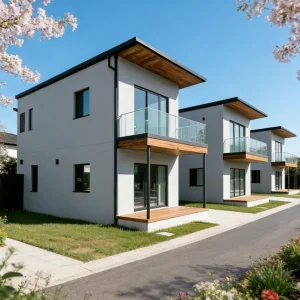
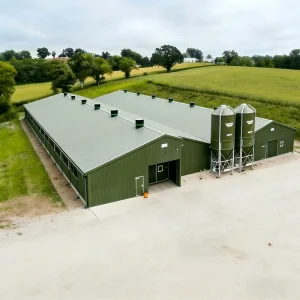
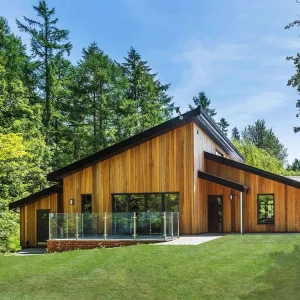
Exploring the precise structural fabrication and logistics frameworks that empower global project delivery.
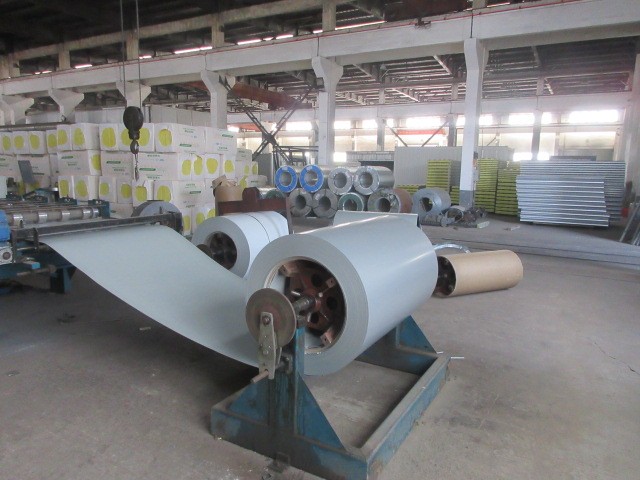
Foshan Umo House Co., Ltd. operates as a specialized manufacturing powerhouse in Guangdong, China. By utilizing Factory 4.0 automation systems, LGS rolling machines, CNC robotic welding units, and integrated CAD/BIM processing, we transform architectural drawings into precision-machined structural kits. Frame components are produced to tolerances of less than 1mm, eliminating onsite modifications during erection.
Our supply chain structure is built to survive complex global shipping dynamics. Prefabricated sub-components, panelized steel wall tracks, roof trusses, and modular columns are flat-packed inside standard 40ft High Cube containers. This pack density minimizes transit costs from Chinese export docks to primary Portuguese cargo hubs like the Port of Lisbon, Port of Sines, or the Port of Leixões.
We deploy a comprehensive quality check checklist across every batch: zinc thickness confirmation using ultrasonic gages, weld-seam integrity tests, dimensional accuracy validation against the structural model, and trial assembly validation of complex structural joints before dispatch.
For engineering procurement contractors (EPCs) and local real estate developers in Portugal, partnering with Foshan Umo House offers substantial cost and operational efficiencies:
Inside Foshan Umo House: High-precision fabrication lines, modular assembly stations, and globally exported structural projects.
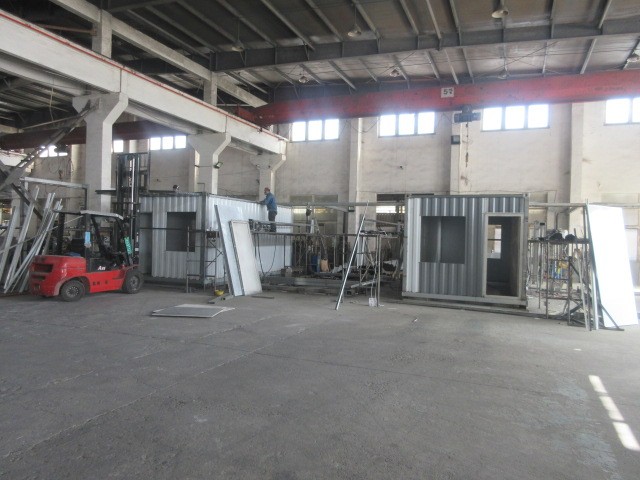
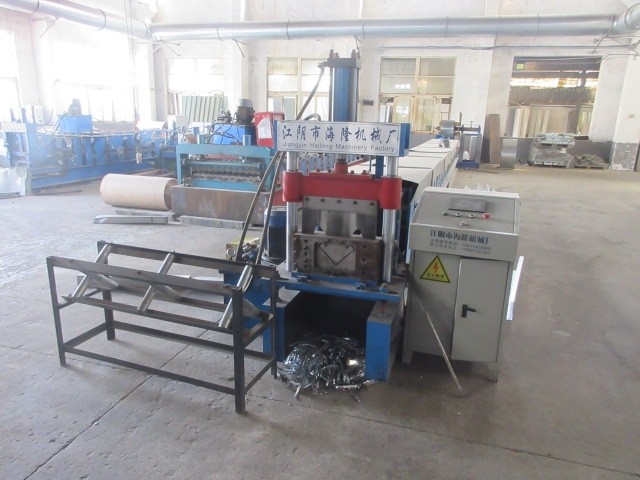
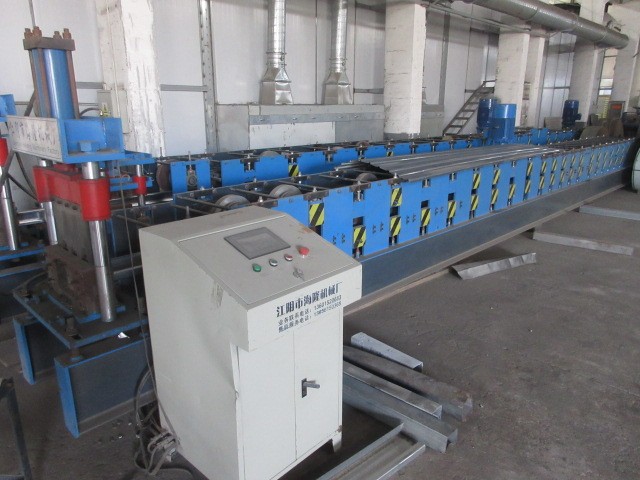
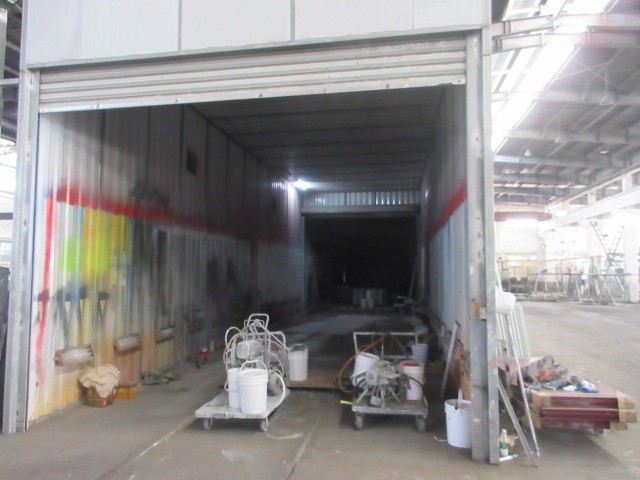
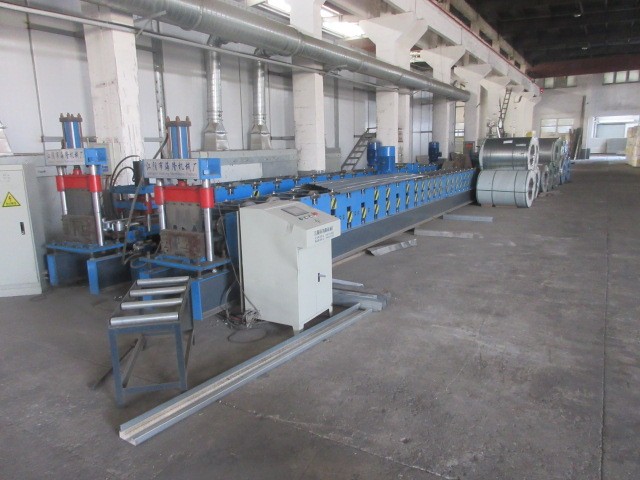
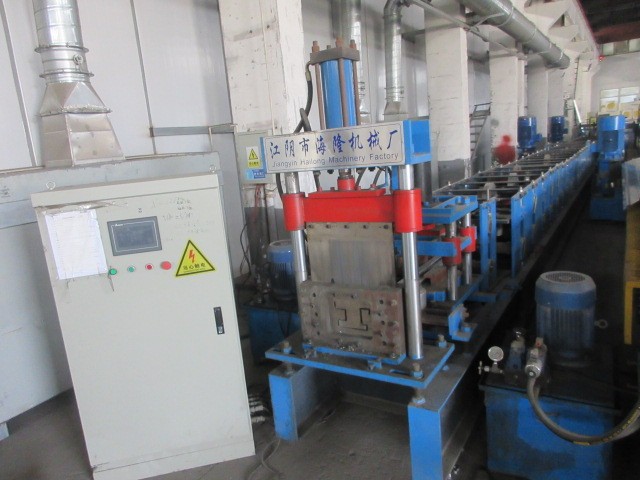
Our engineering team prepares structural calculations and localized layouts according to EU regulations.
Contact EngineeringFrom the rugged Douro valley farms to modern urban spaces in Lisbon, galvanized steel framing meets local demands.
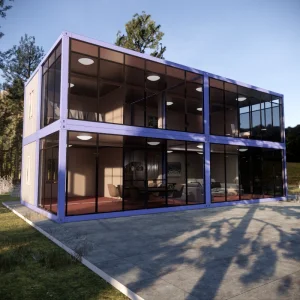
The expanding Portuguese leisure sector demands low-impact resort setups. Glass curtain wall steel villas and detachable container structures can be erected on helical screw piles, preserving local soil structures. These buildings bypass complex concrete construction permits in coastal reserves.
The expansion of deepwater container terminals at Sines requires modular administrative complexes, warehousing facilities, and distribution hubs. High-strength hot-dip galvanized steel portals allow for wide spans, ensuring structural longevity in high-salinity marine air.
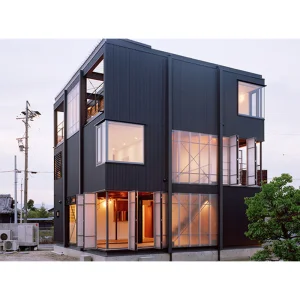
With rising real estate values in Lisbon and Porto, pre-engineered multi-story steel framing offers an efficient path for student housing and affordable municipal developments. Modularity speeds up structural installation, providing faster time-to-market and lower capital costs.
Answering key structural, compliance, and logistics questions for developers sourcing prefabricated steel buildings for Portugal.
Yes. Our structural engineering designs are calculated using Eurocode 3 (EN 1993 - Design of steel structures) and Eurocode 8 (EN 1998 - Seismic design). We provide detailed structural modeling calculations, loading tables, and material certificates (including mill test reports) that allow local Portuguese licensed engineers to secure municipal construction approvals (Licenciamento Municipal).
For coastal zones such as the Algarve, Lisbon, or Aveiro (typically classified as C4 or C5 high corrosion environments), we employ Hot-Dip Galvanization with a minimum zinc coating weight of Z275 (275 g/m²), or custom AZ150 Galvalume coating. This sacrificial zinc layer shields the raw steel core from saline ingress and structural degradation.
Our structures are built with thermal breaks and energy-efficient building envelopes. Depending on thermal requirements, we use polyurethane (PU) core sandwich panels, high-density rockwool cavity insulation, or external EPS insulating cladding. Double or triple glazed low-E glass assemblies are integrated to meet winter heating and summer cooling thresholds.
Prefabricated modules are loaded onto shipping containers at Guangzhou or Shenzhen ports. The average maritime transit time to Portuguese gateways (Leixões, Lisbon, or Sines) ranges from 30 to 40 days. We provide tracking documents, custom clearance packing lists, and detailed product coding to facilitate rapid customs clearance.
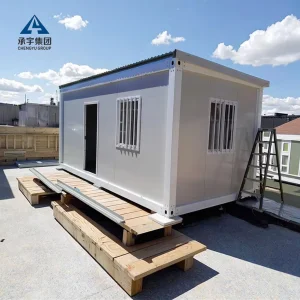
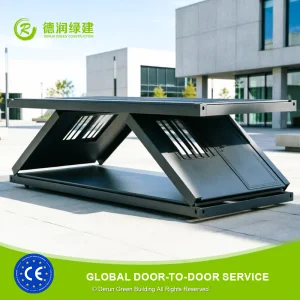
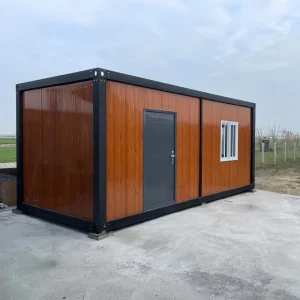
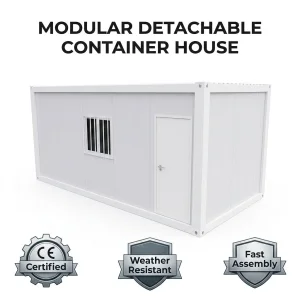
A broad selection of specialized modular containers, temporary camp setups, and residential framing configurations.
Get in touch with our engineering team for customized CAD layouts, structural load calculations, and comprehensive commercial proposals customized to Portugal's municipal building codes.
 Umo House