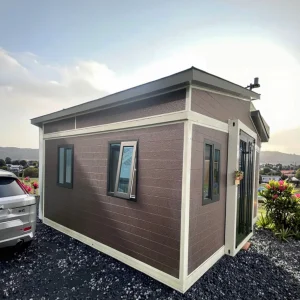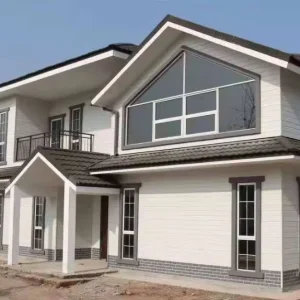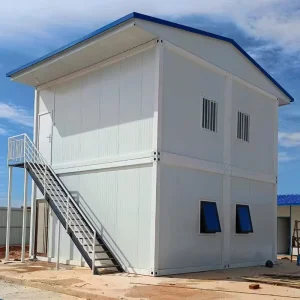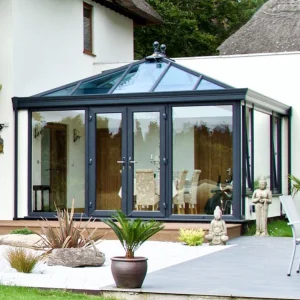
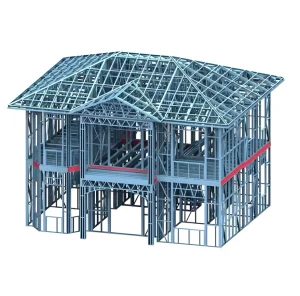
Exporting structural steel systems to Chile requires an advanced understanding of the country's unique geography and building codes. As one of the world's most seismically active regions, structures must comply with NCh433 (Seismic Design of Buildings) and NCh2369 (Seismic Design of Industrial Structures). Light Steel Frame (LSF) structures present a structural advantage over traditional concrete owing to their exceptional strength-to-weight ratio.
Furthermore, Chile's climate varies drastically from north to south. The Atacama Desert in the north demands high thermal insulation and resistance to solar radiation. The central region (including Santiago and Valparaíso) requires modern structural designs, while the southern Patagonia zone experiences extreme wind loads, heavy rains, and snowfall, demanding high-performance thermal insulation (polyurethane or high-density rockwool) and rigid moisture barriers.
Our structural design calculations integrate dynamic spectral analysis according to Chilean parameters, ensuring safety in Zone 3 (high-risk coastal areas).
Components utilize high-zinc coatings that resist marine salinity and industrial atmospheres, maintaining structural integrity for over 50 years.
In recent years, the Chilean construction sector has faced challenges including rising labor costs, localized material shortages, and strict environmental regulations monitored by the Servicio de Evaluación Ambiental (SEA). Traditional masonry and concrete construction are gradually giving way to industrialized and modular building processes. As a result, developers in Santiago, Concepción, and Antofagasta are turning to Light Steel Frame (LSF) systems as a fast, clean, and sustainable alternative.
Mining operations in Calama and Copiapó require modular accommodations that can be deployed rapidly. Our expandable container units and light steel dormitories offer thermal insulation to protect against desert climate shifts.
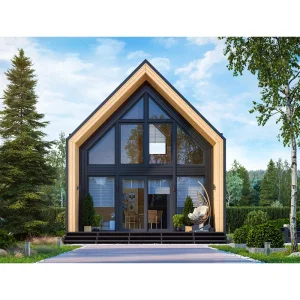
Patagonia’s remote resorts require modular construction that minimizes environmental impact on-site. LSF villas and custom A-frame cabins are manufactured off-site, reducing local ecosystem disturbance.
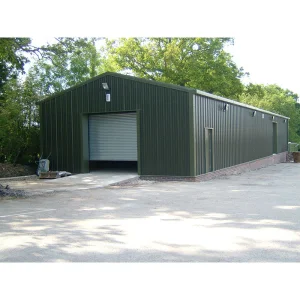
From central valley vineyards to specialized livestock farms in Maule, light steel structural framing offers durable, clear-span agricultural warehouses that resist pests and heavy snow loads.
Additionally, modular steel housing reduces construction timelines by up to 50% compared to traditional techniques. Off-site prefabrication limits material waste to less than 2%, addressing modern green building initiatives (such as Certificación Edificio Sustentable - CES) in Chile.
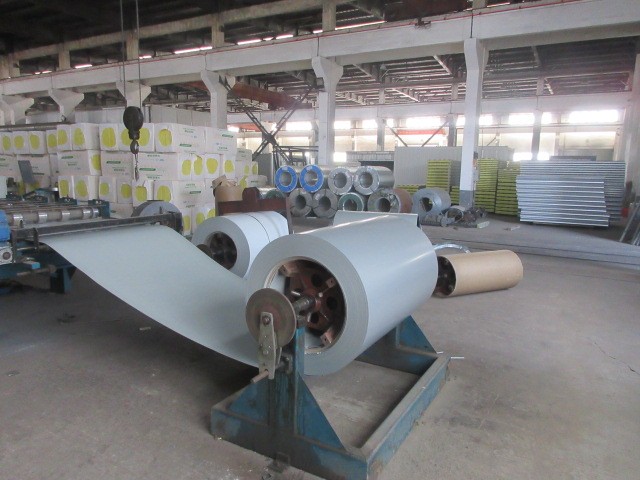
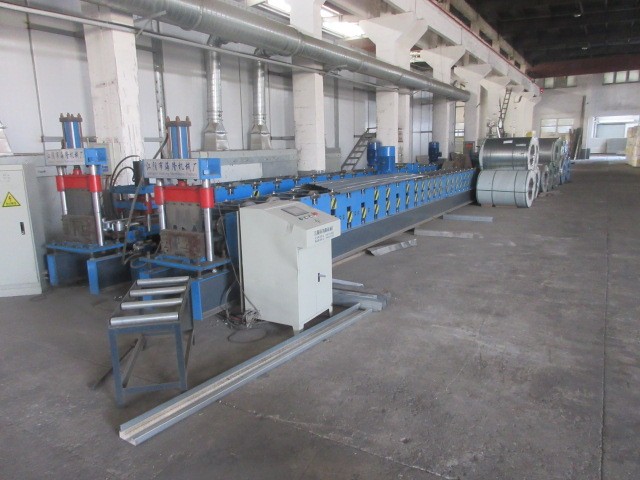
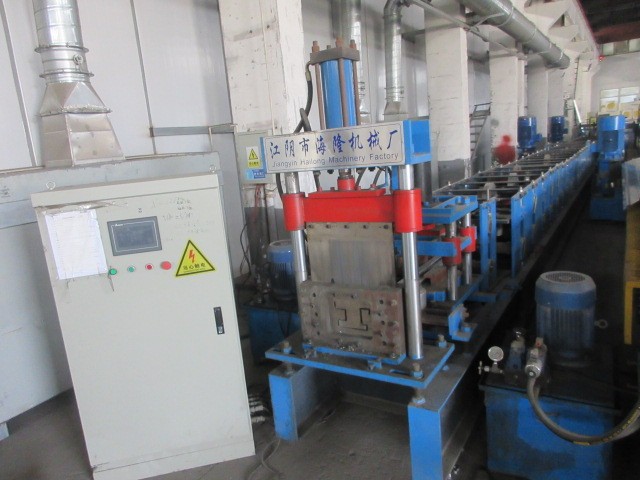
Foshan is a globally recognized manufacturing hub for structural steel, building materials, and architectural systems. Sourcing light steel structures from Foshan Umo House Co., Ltd. allows Chilean contractors and international buyers to optimize both cost and engineering precision. We use computerized FrameCAD and Vertex BD software to roll-form high-tensile steel members with millimeter-level accuracy.
Our direct access to specialized steel mills, composite wall panel factories, and window suppliers ensures optimal compatibility between the structural frame and finishing materials. Furthermore, the China-Chile Free Trade Agreement (FTA) facilitates zero-tariff entries for many steel components, enhancing cost-efficiency for large-scale projects.
To help design engineers, structural consultants, and project developers evaluate materials, we have analyzed performance indicators below:
| Parameters | Light Steel Frame (LSF) - Umo House | Reinforced Concrete (Trad.) | Timber Framing (Trad.) |
|---|---|---|---|
| Seismic Performance | Excellent (High ductility, low mass, absorbs energy) | Good (Rigid, requires heavy foundation) | Fair (Subject to joint degradation) |
| On-site Assembly Time | Minimized (Pre-punched, CNC labeled) | Extended (Curing, formwork required) | Moderate (Manual cutting and fitting) |
| Corrosion & Pest Resistance | Very High (AZ150 Zinc/Aluzinc Protection) | High (Except carbonation risks) | Low (Prone to rot, mold, termites) |
| Thermal Transmittance (U-Value) | 0.18 - 0.28 W/m²K (Custom insulations) | 0.45 - 0.60 W/m²K (Thick walls needed) | 0.30 - 0.40 W/m²K |
| Recyclability & Eco-Friendliness | 100% Recyclable, low site waste | Low recyclability, high carbon footprint | Renewable, but prone to deforestation |
These models feature reflective steel coatings and thick rockwool wall panels to block solar radiation, maintaining stable internal temperatures despite desert diurnal shifts.
Features C5 marine-grade structural steel coatings and anti-corrosive fasteners designed to withstand salty sea spray and high relative humidity.
Designed with high-pitched roof trusses to prevent snow accumulation, coupled with wind-tunnel tested structural bracing to withstand wind gusts up to 150 km/h.
Sourcing light steel structures from China involves careful planning around logistics, custom duties, and documentation. At Foshan Umo House, we handle the shipping preparation process to ensure components arrive safely at ports such as Valparaíso, San Antonio, or Iquique.
We provide a complete set of CAD drawings, assembly manuals, structural test certificates, and the required Certificate of Origin (Form F) under the China-Chile Free Trade Agreement to help clear customs smoothly and minimize import duties.
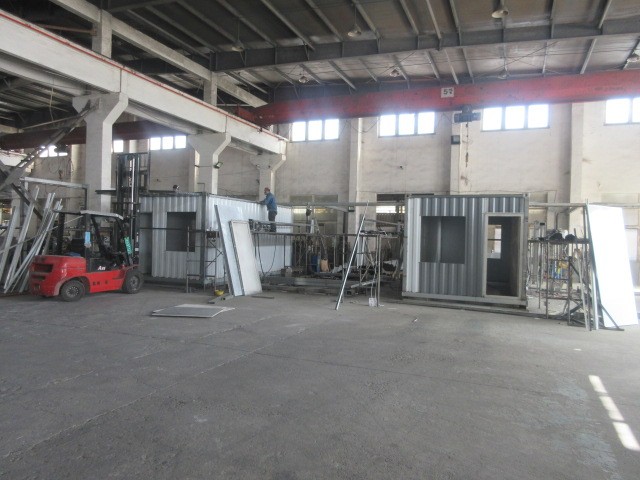
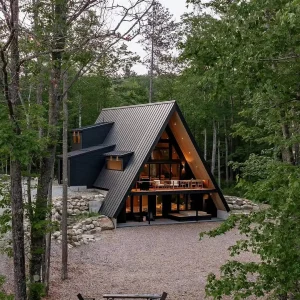
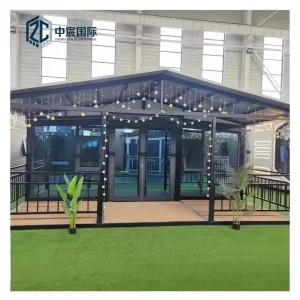
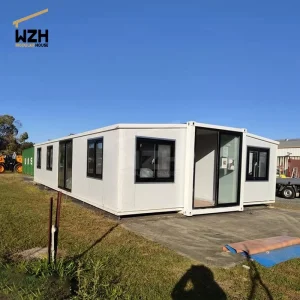
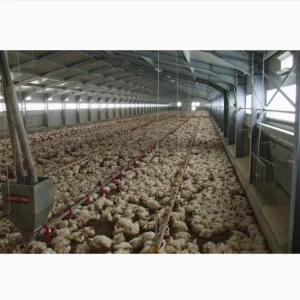
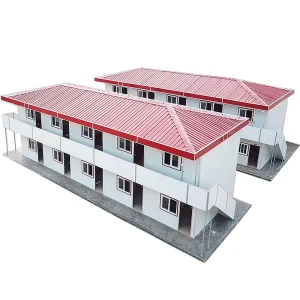
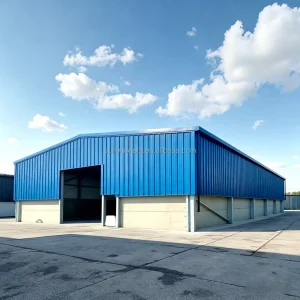
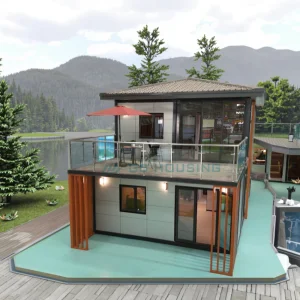
Foshan Umo House Co., Ltd. is a professional manufacturer specializing in steel structure houses, prefabricated steel buildings, modular housing systems, and customized construction solutions in China. With extensive industry experience and advanced manufacturing capabilities, we provide durable, efficient, and sustainable building solutions for residential, commercial, industrial, and institutional projects worldwide.
Our comprehensive product portfolio includes steel structure houses, prefabricated homes, modular buildings, steel frame villas, portable houses, expandable homes, labor camps, site offices, warehouses, workshops, commercial buildings, schools, hospitals, dormitories, agricultural buildings, and customized steel construction projects. Every solution is engineered to deliver rapid installation, superior structural performance, cost efficiency, and long service life.
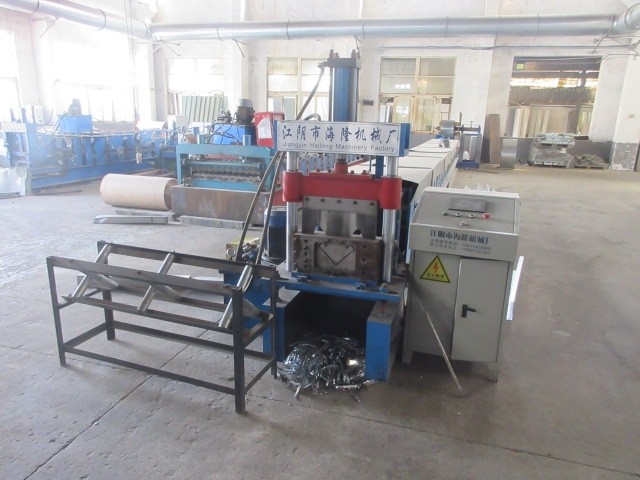
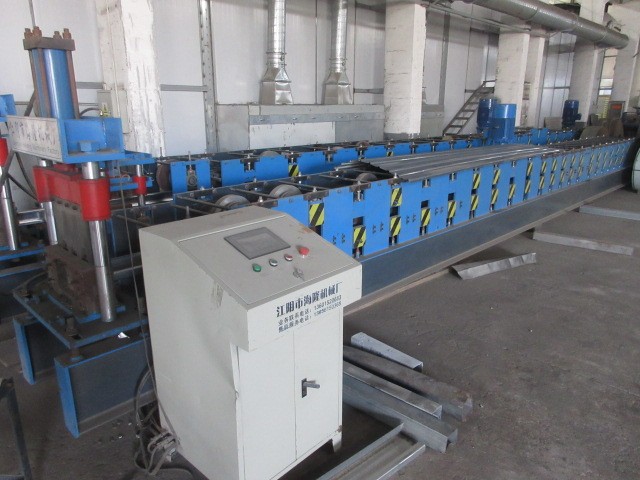
At Umo House, we utilize advanced production equipment and precision manufacturing technologies to ensure every component meets strict international quality standards. Our experienced engineering team provides complete OEM and ODM services, supporting customized architectural design, structural calculations, insulation systems, roofing, wall panels, electrical layouts, plumbing, interior finishing, and project-specific requirements.
Built with premium galvanized steel structures and high-performance building materials, our products offer excellent resistance to corrosion, earthquakes, strong winds, and harsh weather conditions. They also provide outstanding thermal insulation, energy efficiency, and low maintenance, making them suitable for both temporary and permanent construction applications.
Our steel structure solutions are widely used in residential communities, commercial complexes, industrial facilities, logistics centers, mining camps, construction sites, tourism resorts, educational institutions, healthcare projects, government infrastructure, and emergency relief programs. We continuously invest in research, product innovation, and manufacturing optimization to meet the evolving needs of global customers.
Today, Foshan Umo House exports its products to Europe, North America, South America, Southeast Asia, the Middle East, Africa, and Oceania, building long-term partnerships with contractors, developers, distributors, and engineering companies around the world.
As a trusted steel structure house manufacturer in China, Foshan Umo House is committed to delivering premium-quality products, competitive pricing, flexible customization, reliable project support, and on-time delivery. We strive to provide innovative modular construction solutions that create lasting value for customers across the global market.
Yes, our light steel structures are engineered in accordance with international building codes, including AS/NZS 4600 and AISI S100, which are compatible with Chilean seismic guidelines (NCh433). The high strength-to-weight ratio of cold-formed steel reduces inertial forces during seismic events, while ductile joints help absorb energy, providing structural performance during earthquakes.
We use hot-dip galvanized and Aluzinc-coated steel profiles with zinc layer configurations of Z275 (275g/m²) or Aluzinc AZ150. This creates an effective sacrificial barrier against rust, protecting the structural integrity of the frame even in harsh, salty marine atmospheres.
We configure the wall and roofing sandwich panels to meet the thermal zones (Zones 1-7) of the Chilean General Ordinance of Urbanism and Constructions (OGUC). We offer high-density polyurethane (PU), rockwool, or EPS cores with thermal break features to keep thermal transmittance (U-value) low and reduce energy consumption.
Thanks to the China-Chile Free Trade Agreement (TLC China-Chile), most structural steel components qualify for reduced or zero tariffs. We issue the official Certificate of Origin (Form F) with each shipment to help your local broker secure these tariff exemptions during customs clearance at Chilean ports.
The steel frame profiles are bundled, indexed, and packed flat to fit standard 40-foot High Cube (40HQ) containers. Exterior wall panels, roofing, trim, and fasteners are secured in specialized crates to prevent movement and damage during shipping.
Yes, we provide 3D models, foundation layout drawings, detailed frame erection plans, structural calculations, and a comprehensive assembly manual. Our structural engineering team is also available to support your local installers online.
Our steel frame houses are designed for a service life exceeding 50 years under standard environmental conditions. The structural framing remains stable over time as it does not sag, rot, or twist, and is resistant to termites and mold.
Yes, we calculate the engineering parameters based on the wind speed of your specific project location. Our structures can be designed to withstand wind speeds of up to 150 km/h by incorporating diagonal bracing, anchor bolts, and reinforced trusses.
 Umo House