As the industrial and shipping heart of Aichi Prefecture, the Nagoya market represents one of Japan's most demanding areas for residential construction. With strict seismic regulations, intense summer temperatures in the Chubu region, and a highly competitive local housing sector, traditional wood-frame and heavy site-built concrete houses are increasingly yielding market share to modern light-gauge steel and structural modular residential solutions. Developers, contractors, and corporate buyers in Nagoya look for systems that meet the rigorous standards of the Building Standards Act (Kenchiku Kijun-hō) while dramatically decreasing time-to-market.
Foshan Umo House Co., Ltd. supplies high-efficiency, precision-engineered steel residential components designed to be easily localized and certified for the Nagoya market. By manufacturing components off-site, we resolve local labor shortages in Japan's construction sector and lower shipping timelines into the Port of Nagoya.
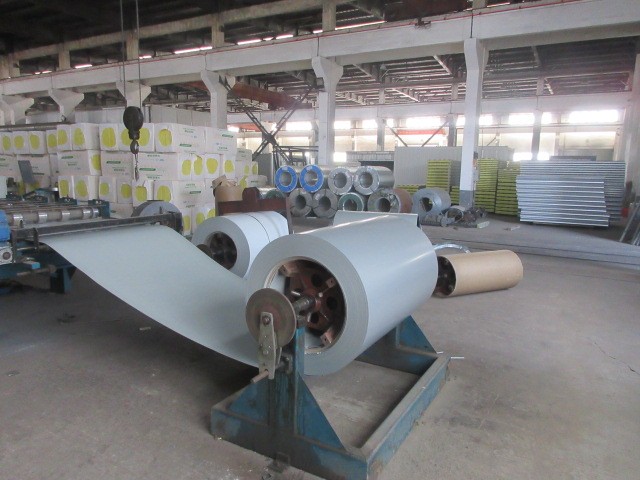
Engineered for high performance, ease of shipment, and swift local assembly in Nagoya and the surrounding Chubu region.
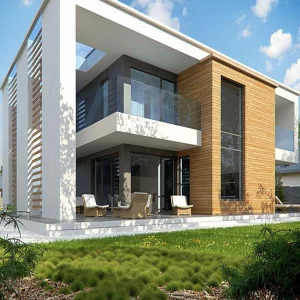
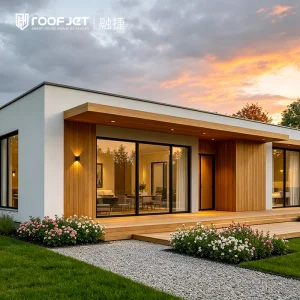

Understanding Nagoya's structural requirements: Seismic load calculations, snow rating, thermal envelopes, and ZEH requirements.
Japan's Tokai region, centering on Nagoya, operates under stringent seismic design regulations. Under the Building Standards Act, steel structures must pass rigorous stress calculations (许容応力度計算). Umo House structures are calculated with premium grade hot-dip galvanized steel frames (Q235B and Q345B) which exhibit high elasticity and structural ductility. Compared to rigid unreinforced concrete, our steel framing absorbs and dissipates ground motion energy, significantly minimizing the risk of collapse during high-intensity earthquakes.
Nagoya experiences hot, humid summers and cold winters. Achieving Energy Efficiency Grade 5 or ZEH compliance requires a comprehensive envelope insulation system. Our modular panels feature customized rockwool, glass wool, or high-density polyurethane insulation cores configured to limit the Ua value (average heat transmission coefficient) to 0.6 W/m²K or less. Combined with double or triple-glazed argon-filled low-E window systems, these units prevent thermal bridging and ensure minimal heating and cooling load.
| Technical Parameter | Standard Specs (Umo House) | Nagoya Compliance Standard | Testing Protocol |
|---|---|---|---|
| Steel Frame Yield Strength | Q345 / S350GD (High Tensile) | Equal to or exceeding JIS G3131 / G3302 | GB/T 700 / ASTM A36 / JIS G3101 |
| Anti-Corrosion Treatment | Hot-dip galvanizing, ≥ 275g/m² | JIS H8641 (Z35 minimum) | Salt Spray Test ASTM B117 > 1000 hrs |
| Seismic Performance | Designed for up to Grade 8 intensity | Building Standards Act Level 2 (Tokai Zone) | Structural Analysis Reports via FEA Modeling |
| Fire Resistance Rating | Non-combustible A-class insulation | Article 22 Zone fire prevention standards | GB8624 / EN 13501-1 Class A1 |
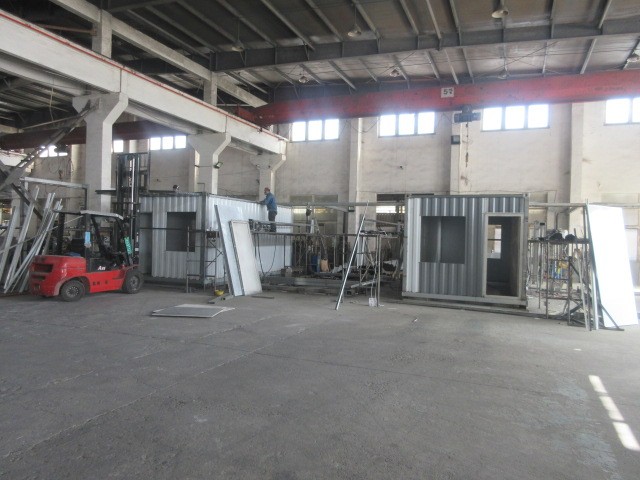
Our modern manufacturing base in Foshan, China, utilizes advanced CAD/CAM processes, direct-to-mill fabrication, and fully automated CNC profile cutting to assure extreme dimensional stability. Every steel stud, track, beam, and connection gusset plate is manufactured within +/-0.5mm tolerances. This level of precision eliminates the necessity for on-site trimming, welding, or adjustment during assembly at the site in Nagoya.
For global builders and Nagoya developers, importing from our Foshan facility provides an optimal balance of cost and speed. Our facility handles raw material procurement, structural component forming, surface finishing, and module pre-assembly in a controlled indoor environment, preventing moisture exposure during production.
Consult Our Engineering TeamBridging Chinese industrial capacity with Japanese local assembly demands through advanced product engineering.
90% dry construction workflows eliminate moisture issues on the jobsite. Reduces concrete dependency to the foundation alone, allowing rapid assembly during rainy periods in central Japan.
Dynamic structural calculation utilizing frame elasticity indexes. Ensures compliance with Nagoya local municipal hazard maps regarding ground stability and soft-soil alluvial zones.
Multiple layers consisting of calcium silicate board, vapor barriers, fiber cement external cladding, and structural insulation core. Eliminates condensation and cold drafts.
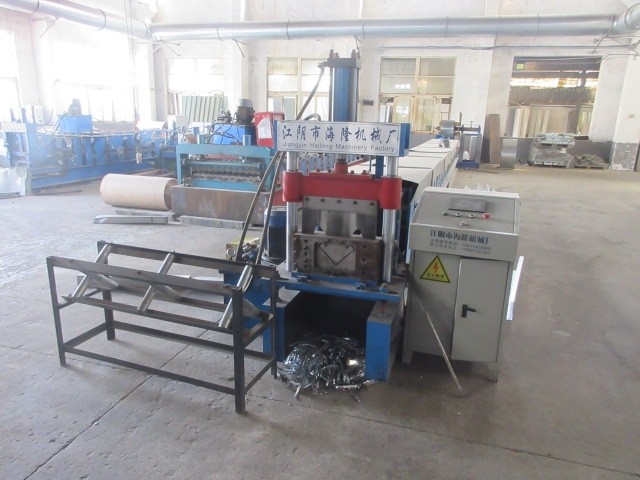
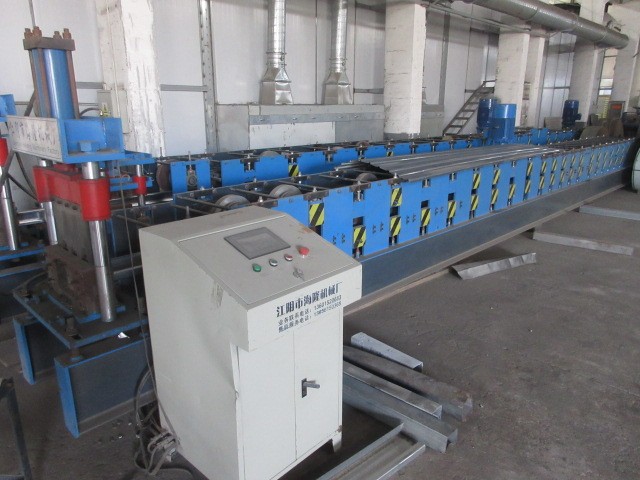
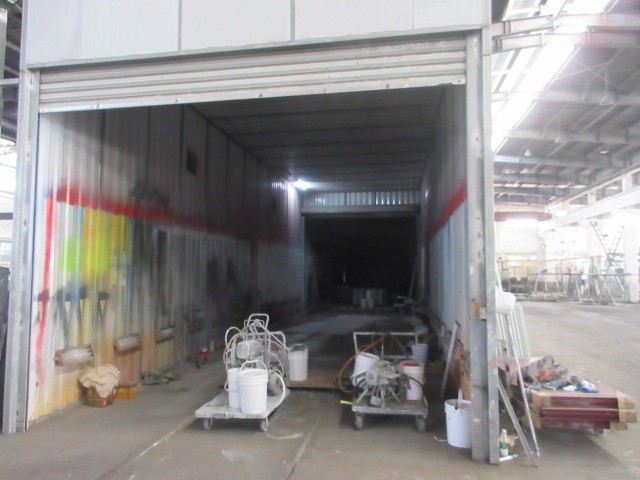
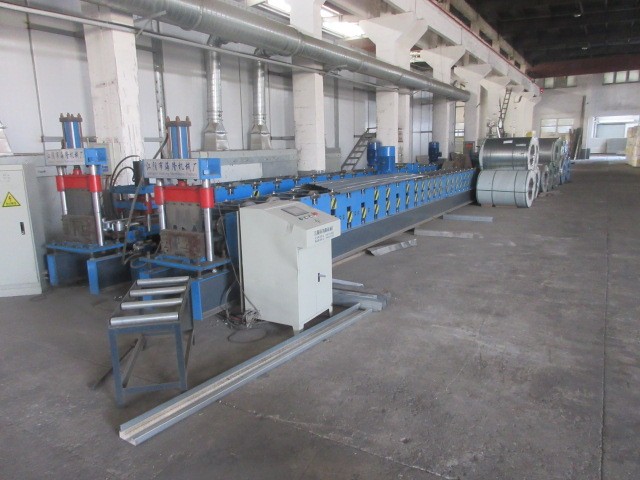
Direct photos from our Chinese production facilities showing structural frames, prefabricated assembly mockups, and export preparations.
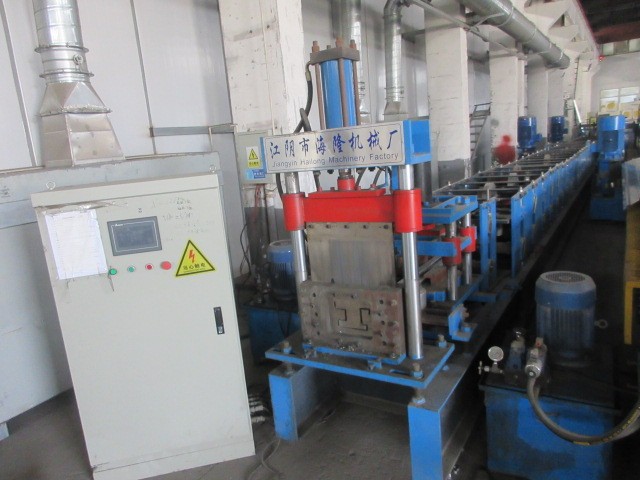
Detailed architectural, legal, logistical, and structural answers to facilitate imports into Japan.
Select from our comprehensive model list, engineered for Japanese importing conditions, container dimensions, and local zoning laws.
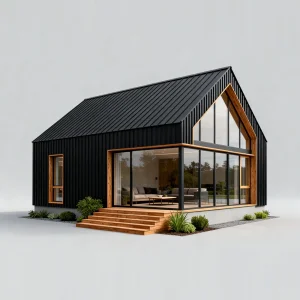
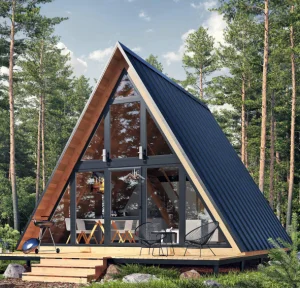
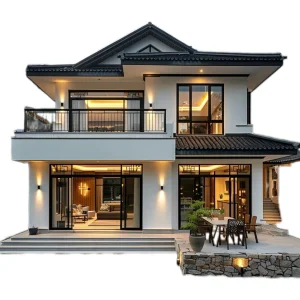
Get a comprehensive quotation, detailed structural options, and shipping rates directly to the Port of Nagoya. Our engineering team is ready to review your CAD drawings and structural specifications.
Send Inquiry Now Umo House