Explore our core selection of prefabricated building packages, structural frameworks, and specialized modular units engineered for rapid deployment.
Understanding the tectonic shift toward off-site fabrication, sustainable construction parameters, and accelerated project lifecycles.
The global construction industry is undergoing an unprecedented transition. Traditional brick-and-mortar and cast-in-place concrete structures are increasingly being phased out in favor of Pre-Engineered Buildings (PEB) and prefabricated modular framing systems. Driving this shift is the dual demand for environmental sustainability and structural optimization. Real estate developers, logistics conglomerates, and public works planners are facing compressed execution windows, soaring on-site labor costs, and increasingly strict regulatory requirements concerning environmental impact. The integration of high-tensile structural steel provides a solution that addresses these challenges.
Modern commercial and industrial facilities require expansive column-free spans, adaptable spatial configurations, and superior load-bearing thresholds. Whether planning a distribution hub for global e-commerce networks, a modern manufacturing plant equipped with heavy overhead cranes, or specialized modular healthcare units, structural steel provides the necessary framework. Pre-engineered steel buildings are designed to minimize dead load while maximizing usable volume. Every component, from the primary structural members (such as H-sections and welded plate girders) to secondary girts and purlins, is engineered to handle precise physical loads, wind sheer forces, and seismic events.
From an ecological standpoint, structural steel stands as a highly sustainable material choice. Up to 98% of the steel used in structural profiles can be reclaimed, remelted, and re-engineered without any loss in mechanical integrity. This matches the requirements of green building rating systems globally, including LEED, BREEAM, and DGNB. Furthermore, the minimization of structural waste during the off-site fabrication phase ensures that project sites maintain a clean, organized, and safe environment, reducing local ecological disruption and lowering transportation emissions.
Analyzing the risk parameters, quality assurance criteria, and compliance standards necessary for international procurement.
Procuring industrial-grade pre-engineered steel buildings across international borders requires managing multiple regulatory frameworks, shipping logistics, and structural standards. International procurement managers must look beyond simple material costs to evaluate long-term reliability and compliance. A primary concern is localized structural engineering compliance. Every municipality enforces localized building regulations that account for historical meteorological data, including wind speeds (up to hurricane forces), snow loads, and seismic acceleration spectrums (specifically IBC and Eurocode compliance).
Ensuring that engineering designs strictly adhere to standard codes such as AISC, ASTM, BS, and Eurocodes. This is critical for obtaining construction permits and ensuring safety under local wind, snow, and seismic conditions.
Specifying the proper protective coatings—such as hot-dip galvanization (min 275g/m²) or high-build polyurethane epoxy paints—to prevent corrosion in coastal, highly humid, or chemical-heavy industrial environments.
Managing the shipping of large-scale pre-cut, pre-drilled, and pre-welded members. Clear structural identification markings and detailed engineering shop drawings are essential for efficient on-site erection.
Additionally, the integration of advanced secondary systems—including composite sandwich panels (PUR/PIR/Rockwool) for temperature control, skylights, crane bracket integrations, and rainwater drainage systems—requires detailed cross-disciplinary coordination. A single measurement error during fabrication can lead to expensive delays during on-site assembly. The focus, therefore, is on choosing a manufacturing partner that can handle both the initial engineering stages and the final quality control process prior to export.
How automation, material sourcing, and specialized manufacturing plants drive competitive advantages in pre-engineered steel.
China's steel structure manufacturing sector has evolved beyond simple, low-cost fabrication by adopting advanced digital processes and integrated production lines. Today, Chinese Industry 4.0 factories combine high-capacity output with precise engineering controls. By utilizing advanced CAD/BIM modeling platforms, designs are translated directly into automated manufacturing instructions for CNC laser cutters, high-speed drilling rigs, and robotic welding stations. This digital integration reduces dimensional tolerances to less than 1mm, ensuring that structural members align properly on-site.
Foshan, a major industrial hub in southern China, benefits from a well-established industrial cluster. The local supply chain provides direct access to primary steel mills, specialized galvanizing plants, and manufacturers of high-performance cladding, hardware, and insulation materials. This concentration of suppliers minimizes internal logistical steps, shortens lead times, and cushions against global material market fluctuations. Furthermore, advanced finishing processes like continuous hot-dip galvanizing and multi-layer electrostatic spraying are integrated directly into the local manufacturing workflow, providing durable protection against harsh environmental conditions.
For international buyers, this concentrated supply chain yields major cost and time benefits. It allows for complete container loading, optimized cargo packing, and efficient processing of export documentation at nearby deep-water ports like Guangzhou and Shenzhen. As a result, projects transition from design approval to delivery quickly, keeping construction schedules on track.
A trusted manufacturer specializing in steel structure houses, prefabricated steel buildings, modular housing systems, and customized construction solutions.
Foshan Umo House Co., Ltd. is a professional manufacturer specializing in steel structure houses, prefabricated steel buildings, modular housing systems, and customized construction solutions in China. With extensive industry experience and advanced manufacturing capabilities, we provide durable, efficient, and sustainable building solutions for residential, commercial, industrial, and institutional projects worldwide.
Our comprehensive product portfolio includes steel structure houses, prefabricated homes, modular buildings, steel frame villas, portable houses, expandable homes, labor camps, site offices, warehouses, workshops, commercial buildings, schools, hospitals, dormitories, agricultural buildings, and customized steel construction projects. Every solution is engineered to deliver rapid installation, superior structural performance, cost efficiency, and long service life.
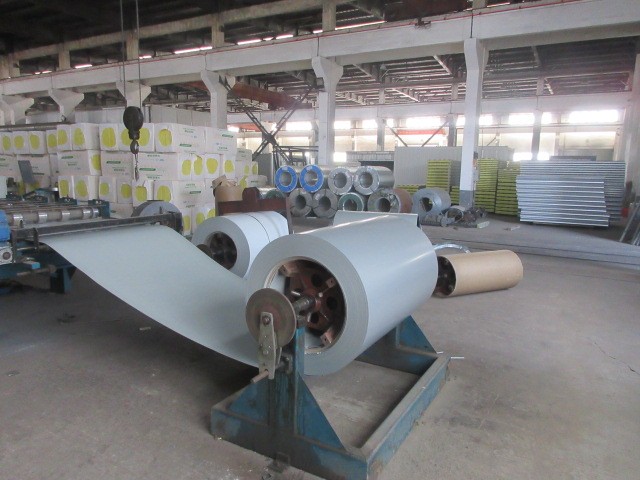
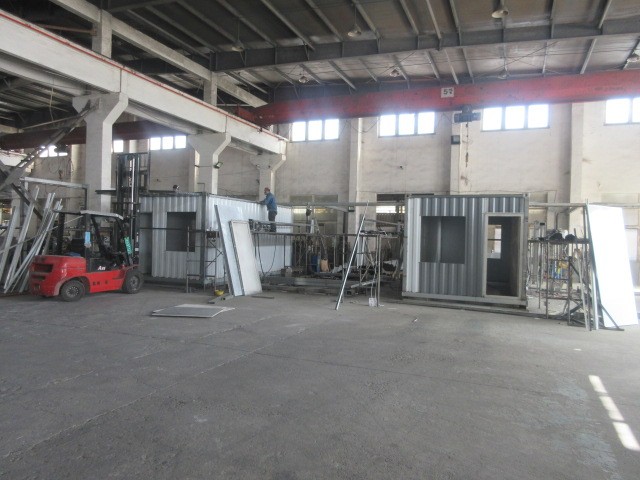
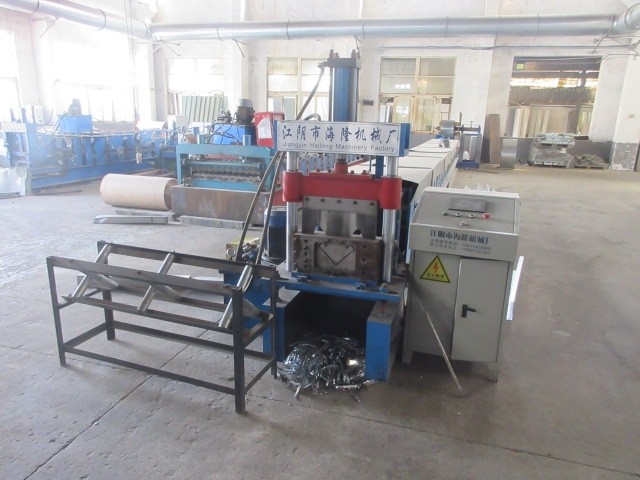
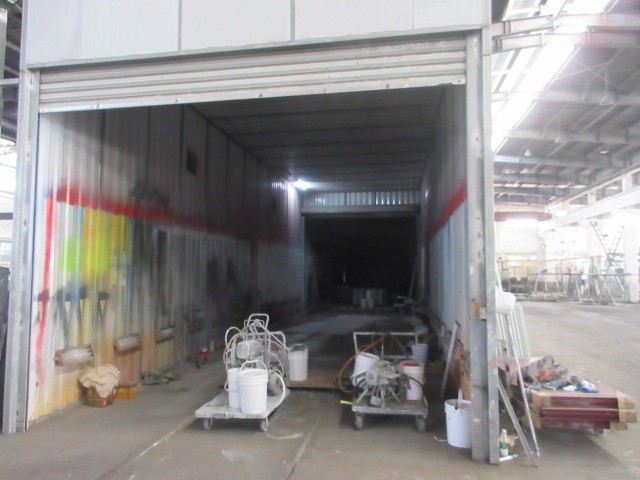
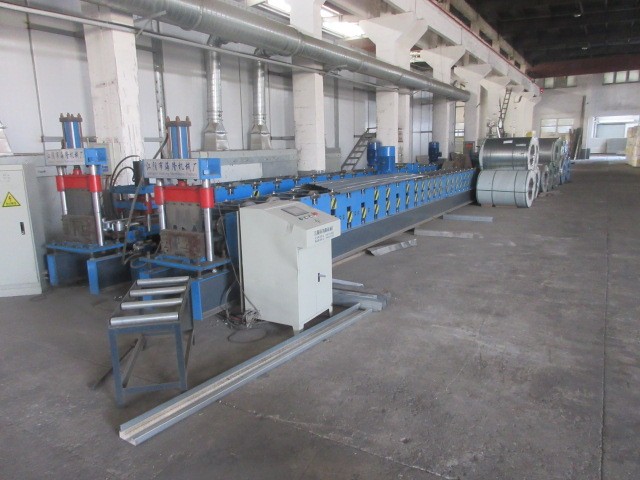
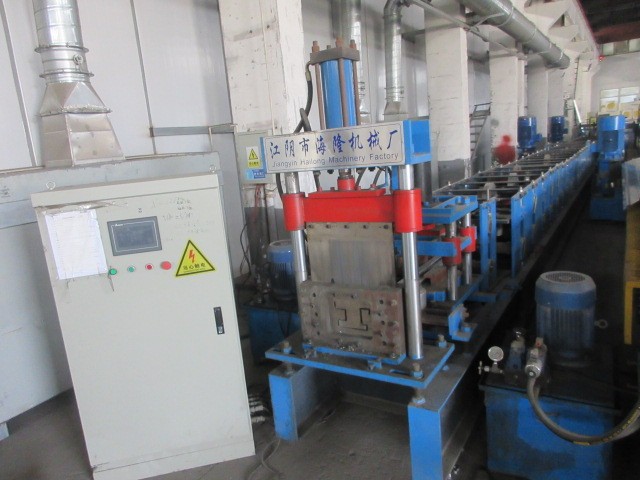
At Umo House, we utilize advanced production equipment and precision manufacturing technologies to ensure every component meets strict international quality standards. Our experienced engineering team provides complete OEM and ODM services, supporting customized architectural design, structural calculations, insulation systems, roofing, wall panels, electrical layouts, plumbing, interior finishing, and project-specific requirements.
Built with premium galvanized steel structures and high-performance building materials, our products offer excellent resistance to corrosion, earthquakes, strong winds, and harsh weather conditions. They also provide outstanding thermal insulation, energy efficiency, and low maintenance, making them suitable for both temporary and permanent construction applications.
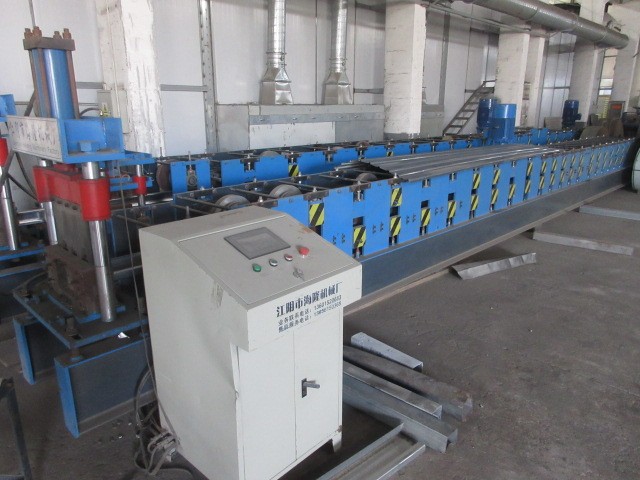
Our steel structure solutions are widely used in residential communities, commercial complexes, industrial facilities, logistics centers, mining camps, construction sites, tourism resorts, educational institutions, healthcare projects, government infrastructure, and emergency relief programs. We continuously invest in research, product innovation, and manufacturing optimization to meet the evolving needs of global customers.
Today, Foshan Umo House exports its products to Europe, North America, South America, Southeast Asia, the Middle East, Africa, and Oceania, building long-term partnerships with contractors, developers, distributors, and engineering companies around the world.
A reference table outlining the performance standards, material grades, and tolerances applied across our product line.
| Structural Element | Primary Material Specifications & Grades | Protective Coatings & Treatments | Structural Performance & Limits |
|---|---|---|---|
| Primary Steel Frame | Q355B / Q235B (Equivalent to ASTM A572 Gr50 / S355JR) | Hot-Dip Galvanized (≥ 275g/m²) or Sandblasted (Sa2.5) + Epoxy Paint System | Deflection limit L/180; Yield Strength ≥ 345 MPa |
| Secondary Steel Frame | Q235B (Cold-formed C or Z-section profiles) | Galvanized coating (min Z120-Z275 finish) | Designed for wind suction and local cladding loads |
| Wall & Roof Cladding | PIR/PU/Rockwool Sandwich Panels (Thickness: 50mm - 150mm) | Pre-painted Galvanized Steel Sheets (PPGI) 0.4mm - 0.7mm | Thermal Conductivity (U-Value) down to 0.22 W/m²K; Fire rating Class A/B1 |
| Fasteners & Connections | High-Strength Structural Bolts (Grade 8.8 / 10.9) | Dacromet finish or Hot-Dip Galvanization | Strict compliance with AISC & EN-1993 shear standards |
Custom structural configurations optimized for specific commercial, residential, agricultural, and industrial environments.
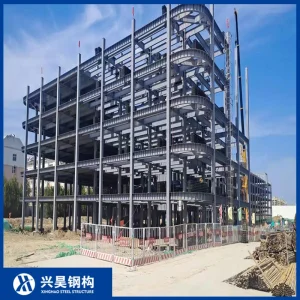
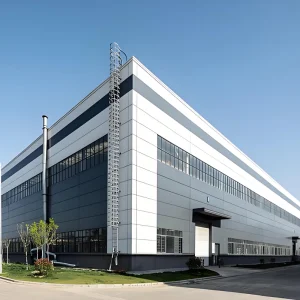
Designed to support heavy machinery and high-tonnage overhead bridge cranes. Our portal frames use optimized H-beams to provide clear spans of up to 48 meters without intermediate columns, maximizing floor space and operational workflow.
Featuring wide spans and tall heights, these buildings are designed to accommodate vertical racking systems and automated material handling equipment. Special attention is paid to slab load capacities and level tolerances.
These modular, flat-pack, and containerized structures are engineered for quick assembly in remote regions with harsh climates. They provide insulated, durable accommodations for workforces operating in remote mining or construction sites.
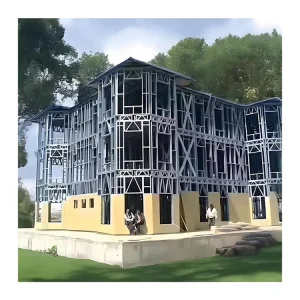
Constructed using cold-formed light steel frames and clean, easy-to-sanitize wall materials. These designs prioritize rapid deployment, integrated utilities, and sterile environments for clinical and hospital use.
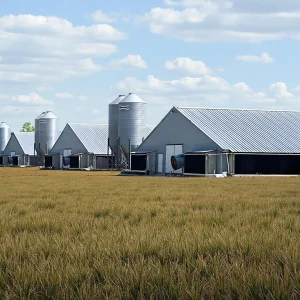
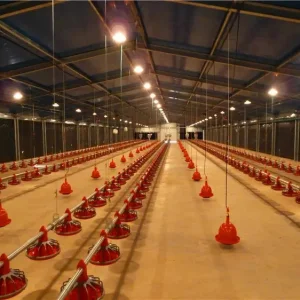
Engineered for livestock and poultry farming, focusing on air quality, temperature control, and moisture resistance. The structural layouts resist ammonia corrosion and integrate automated feeding, watering, and ventilation equipment.
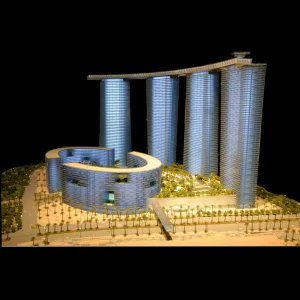
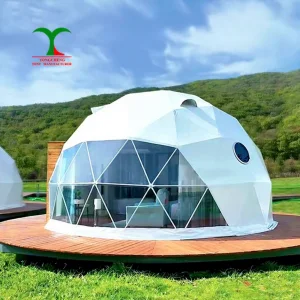
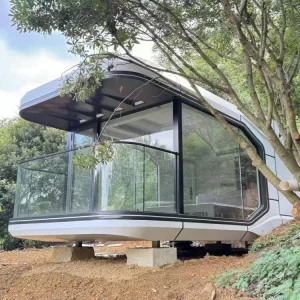
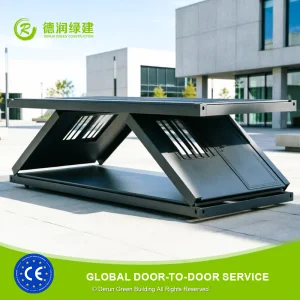
Combining structural stability with unique modern designs. These space frames, capsule structures, and dome systems offer rapid installation in sensitive ecological areas with minimal site disturbance.
Answering common technical, regulatory, and logistical questions raised by global developers and procurement teams.
Explore our selection of expandable housing units, eco-glamping domes, space frames, and specialized modular capsules.

 Umo House