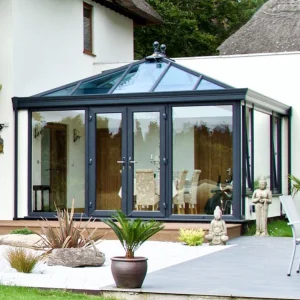
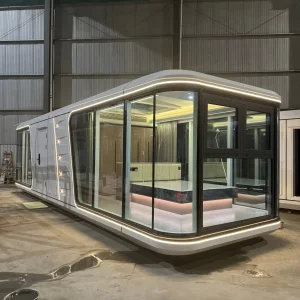
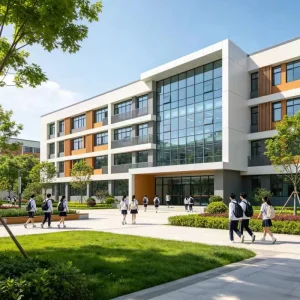
Explore our top-tier prefabricated industrial steel designs, engineered for extreme weather resistance, rapid field installation, and long-term durability across diverse climates.
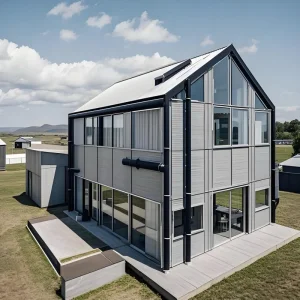
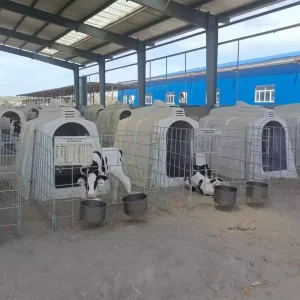
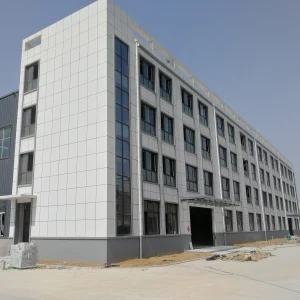
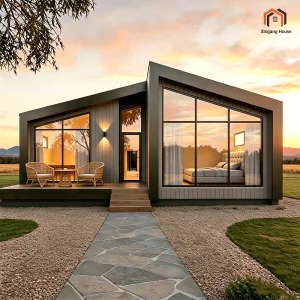
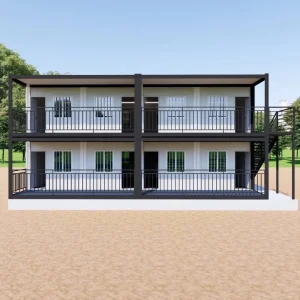
The global agricultural sector is undergoing a profound structural transition. Traditional wooden and masonry farm housing are increasingly replaced by modern structural steel configurations. Today's commercial farm demands systems that resist severe atmospheric degradation, sustain high mechanical live loads, and align with automated biological systems.
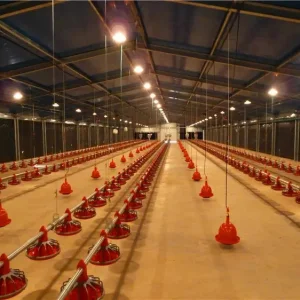
Steel farm houses and animal containment infrastructures represent a pivotal change in rural property investment. Engineered with high-strength cold-formed or hot-rolled steel members, these facilities offer exceptional spans, optimized interior volume, and unparalleled protection against biological contamination and high structural stresses.
Firms seeking top-tier prefabricated manufacturing solutions evaluate factories on structural fabrication accuracy, corrosion resistance protocols, and strict compliance with national and regional building codes.
Deploying agricultural structural steel requires a detailed understanding of regional design codes, geology, and microclimatic stresses. Leading factories analyze localized applications to ensure compliance.
Fabrications designed for North America strictly follow the American Institute of Steel Construction (AISC) specifications and the International Building Code (IBC). In coastal hurricane zones (e.g., Florida ASCE 7), structures are reinforced to survive wind gusts up to 180 MPH using specialized high-tensile connection plates and heavy shear wall designs.
EU installations demand compliance with Eurocode 3 (Design of steel structures) and Eurocode 4. Certified structural manufacturers verify their welding quality under EN 1090-2 (Execution of steel structures). Agricultural systems also require customized ceiling structures to prevent heavy condensation buildup in northern, sub-zero European climates.
Australia and New Zealand require strict adherence to AS/NZS 1170 (Structural design actions) and AS 4600 (Cold-formed steel structures). High-grade G450 or G550 steel members are typically selected. Prefabricated assemblies in seismic zones like New Zealand integrate ductility components to safely absorb seismic energy.
Specifying structural steel grades Q355B (standard structural grade) or Q420. Ultrasonic testing is performed to check for internal laminations or manufacturing defects.
Utilizing CNC drilling and plasma cutting lines to achieve tolerances within ±1mm. Pre-punching bolted connection points prevents localized stress concentration.
Implementing hot-dip galvanization (minimum 85-micron coat thickness) or utilizing specialized epoxy primer paints to withstand ammonia, animal waste, and high moisture levels.
Performing full scale mock-up tests on primary framing joints prior to packaging to ensure perfect alignment during remote site installations.
Modern steel farm buildings are no longer simple shelters. Advanced systems now integrate smart engineering with green materials. The transition to lightweight, high-tensile cold-formed steel reduces material use by up to 35% compared to heavy hot-rolled columns, lowering the initial carbon footprint of structural frames.
Additionally, modern structural designs feature roofs optimized for high-capacity solar systems, allowing remote farming facilities to achieve net-zero power status. Using recycled steel in manufacturing further minimizes environmental impact, helping developers secure LEED or regional green building certifications.
By using prefabricated wall options like mineral wool or polyurethane sandwich panels, farms maintain optimal interior temperatures. This reduces energy consumption for heating and cooling, which is essential for commercial livestock and high-yield crop storage.
Global supply chain directors utilize key technical markers to audit and qualify steel prefabrication facilities. Below is the standard vetting matrix for industrial steel frame sourcing.
| Evaluation Parameter | Tier-1 Standard Requirements | Common Risk Factors (Tier-3) | Verification Method |
|---|---|---|---|
| Steel Grade & Traceability | Mill test certificates matching Q355B/Q420 or ASTM A572. Complete trace code tracking. | Uncertified scrap steel mixtures, lack of material certificates. | MTR (Mill Test Report) audit, independent laboratory tensile testing. |
| Corrosion Treatment | Hot-dip galvanization ≥ 85 μm (Z275/Z600) or high-durability epoxy finishes. | Standard cold-applied zinc spray or thin industrial paint layer (< 20 μm). | Electromagnetic paint depth measurements, salt spray testing. |
| Welding Credentials | AWS D1.1 (American Welding Society) or EN 1090-2 Execution Class 2/3 certifications. | Uncertified manual welding, minimal non-destructive weld testing. | WPS (Welding Procedure Specification) logs, Ultrasonic or Dye Penetrant testing. |
| Fabrication Precision | Fully automated CNC processing, dimensional tolerances within ± 1.0mm. | Manual hand-cutting, mismatched connection holes requiring field modifications. | Pre-shipment layout check, factory test assembly records. |
Foshan Umo House Co., Ltd. is a professional manufacturer specializing in steel structure houses, prefabricated steel buildings, modular housing systems, and customized construction solutions in China. With extensive industry experience and advanced manufacturing capabilities, we provide durable, efficient, and sustainable building solutions for residential, commercial, industrial, and institutional projects worldwide.
Our comprehensive product portfolio includes steel structure houses, prefabricated homes, modular buildings, steel frame villas, portable houses, expandable homes, labor camps, site offices, warehouses, workshops, commercial buildings, schools, hospitals, dormitories, agricultural buildings, and customized steel construction projects. Every solution is engineered to deliver rapid installation, superior structural performance, cost efficiency, and long service life.
At Umo House, we utilize advanced production equipment and precision manufacturing technologies to ensure every component meets strict international quality standards. Our experienced engineering team provides complete OEM and ODM services, supporting customized architectural design, structural calculations, insulation systems, roofing, wall panels, electrical layouts, plumbing, interior finishing, and project-specific requirements.
Built with premium galvanized steel structures and high-performance building materials, our products offer excellent resistance to corrosion, earthquakes, strong winds, and harsh weather conditions. They also provide outstanding thermal insulation, energy efficiency, and low maintenance, making them suitable for both temporary and permanent construction applications.
Our steel structure solutions are widely used in residential communities, commercial complexes, industrial facilities, logistics centers, mining camps, construction sites, tourism resorts, educational institutions, healthcare projects, government infrastructure, and emergency relief programs. We continuously invest in research, product innovation, and manufacturing optimization to meet the evolving needs of global customers.
Today, Foshan Umo House exports its products to Europe, North America, South America, Southeast Asia, the Middle East, Africa, and Oceania, building long-term partnerships with contractors, developers, distributors, and engineering companies around the world.
As a trusted steel structure house manufacturer in China, Foshan Umo House is committed to delivering premium-quality products, competitive pricing, flexible customization, reliable project support, and on-time delivery. We strive to provide innovative modular construction solutions that create lasting value for customers across the global market.
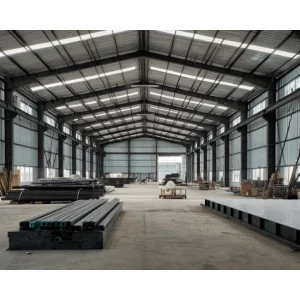
Direct images showing production processes, structural material prep, and modern prefab systems at our main manufacturing site.
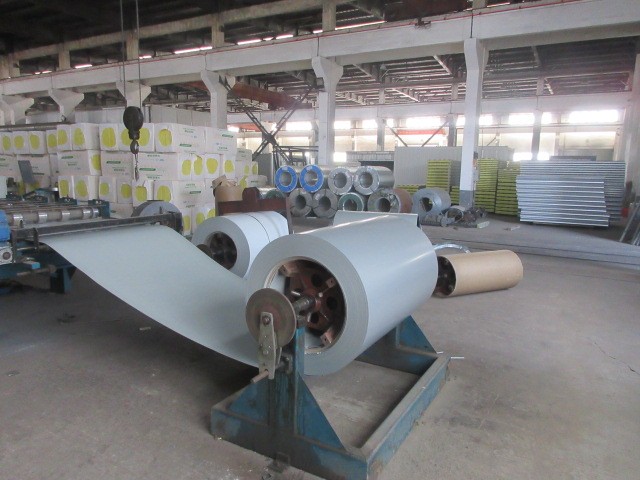
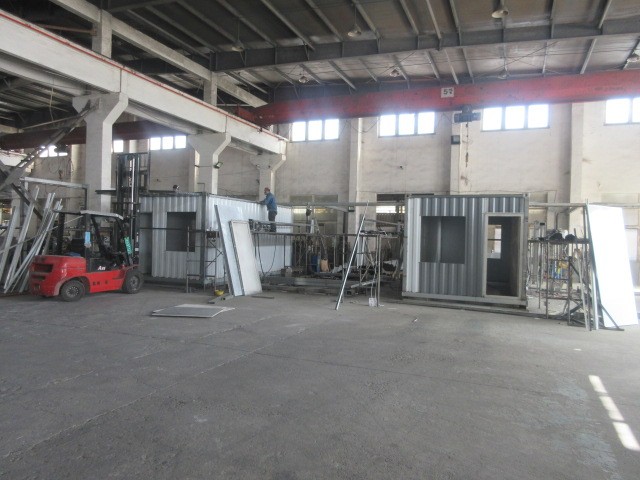
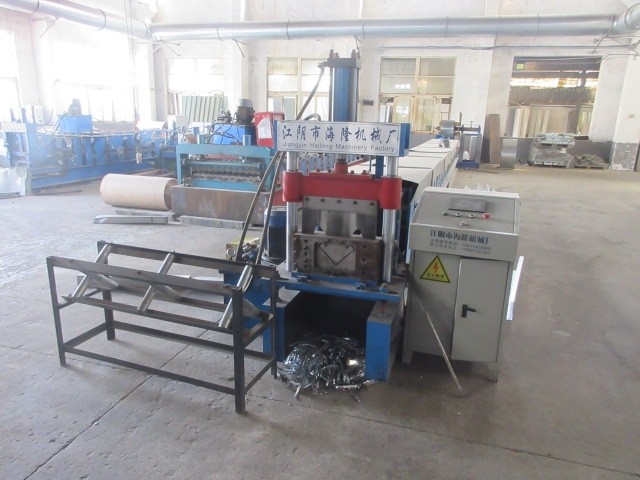
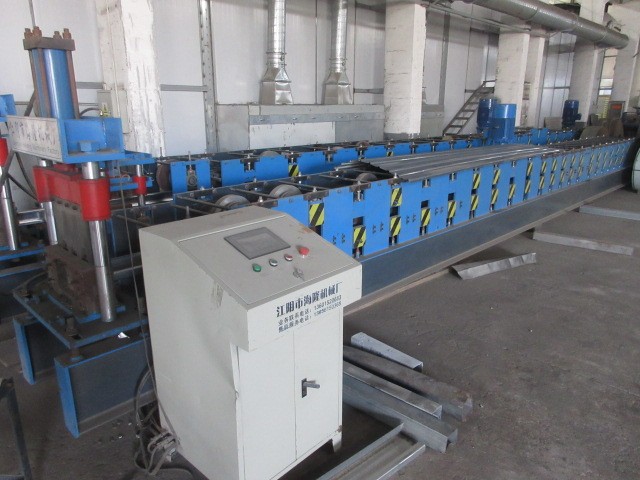
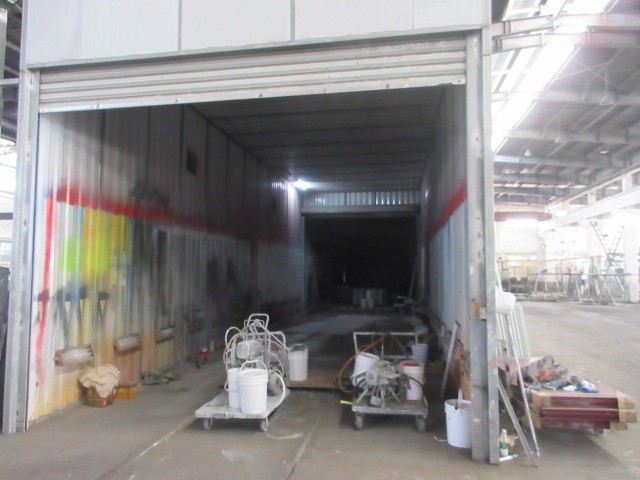
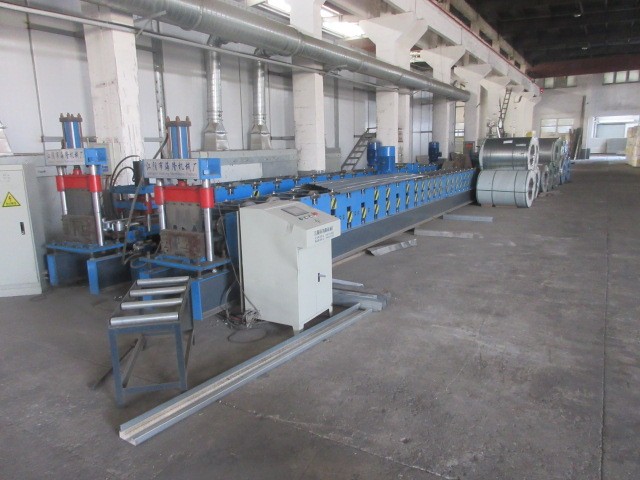
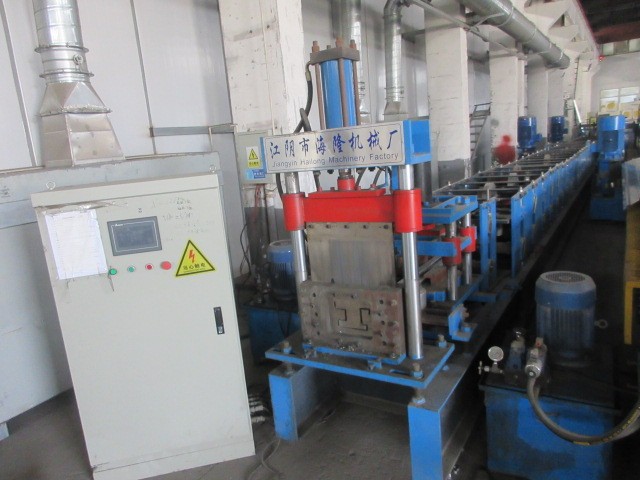
Answers to common structural engineering, logistics, and cost questions from institutional procurement teams and commercial farm owners.
Ammonia, moisture, and biological waste create a corrosive microclimate in livestock facilities. To protect the structure, we use hot-dip galvanized steel (grade Z275 or higher) and apply specialized polyurethane coatings. This barrier prevents corrosive chemicals from contacting the core steel, extending the building's lifespan to over 50 years.
Prefabricated steel structures typically use concrete strip footings, slab-on-grade, or isolated pier foundations. Pier foundations are common in areas with uneven terrain or expansive soils. We provide detailed foundation load plans to help local engineers design foundations that meet local geotechnical requirements.
Yes. Our structural design processes analyze expected snow accumulation and wind velocities. We use localized climate data to design specific steel frame configurations, increasing structural stability with thick cold-formed sections and reinforced diagonal steel bracing where necessary.
All fabricated steel elements are systematically cataloged, bundled, and shipped in standard open-top or GP containers to minimize transit costs and damage. We provide complete commercial documentation, including detailed material lists, weld quality certificates, and structural drawings, to ensure smooth customs clearance in the destination country.
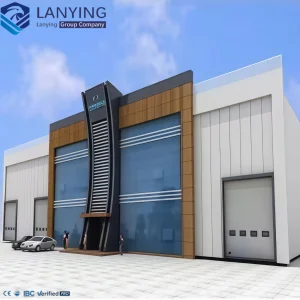
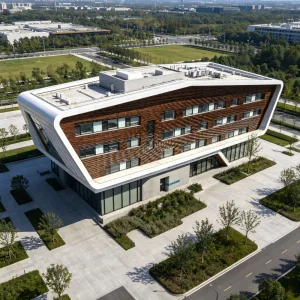
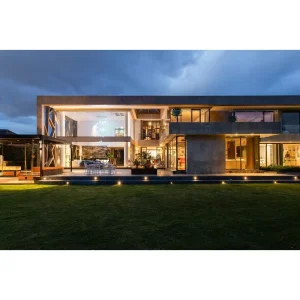
Browse our collection of modular school designs, storage warehouses, multi-story offices, and modern agricultural steel frames.
 Umo House