Umo House
Brazil's Industrial Landscape & Prefabricated Steel Growth Drivers
An authoritative analysis of the structural transitions, supply chain dynamics, and regulatory environments shaping modern infrastructure in South America's largest economy.
The Agro-Industrial & Logistical Expansion
Brazil’s position as a global powerhouse in agribusiness (soy, corn, sugar, and beef) and mining necessitates rapid infrastructure deployment. Regions like Mato Grosso, Paraná, and Rio Grande do Sul are undergoing unprecedented logistics upgrades. The demand for industrial-grade grain storage facilities, cold chain hubs, and bulk-freight transfer stations has escalated significantly.
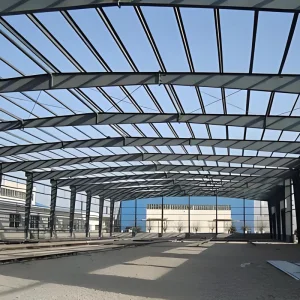
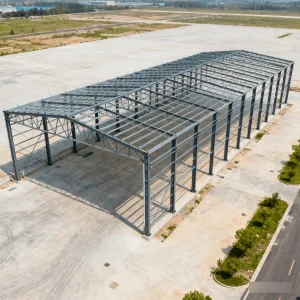
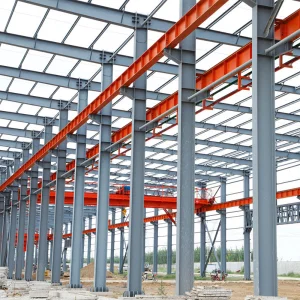
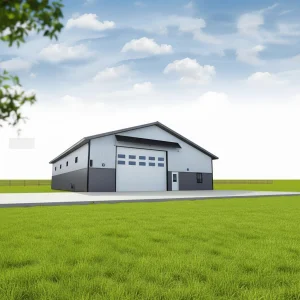
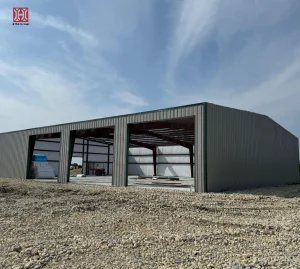
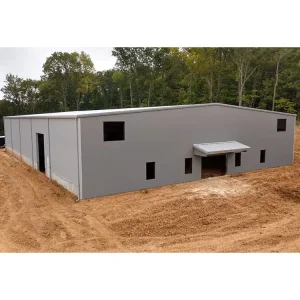
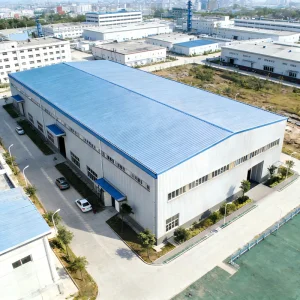
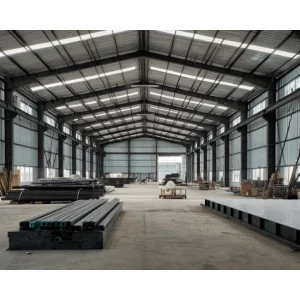
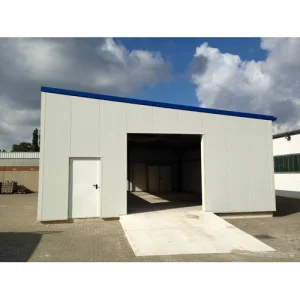
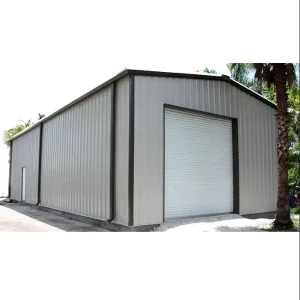
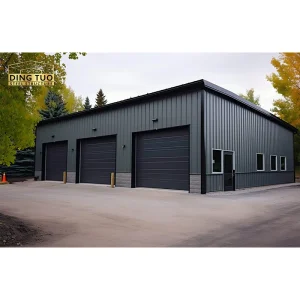
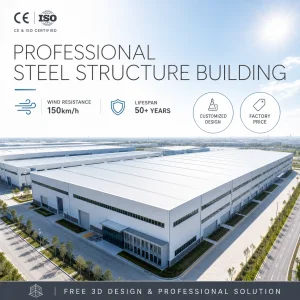
Traditional concrete construction falls short of the speed and cost-efficiency margins required by global enterprises operating in Brazil. Prefabricated steel buildings present the optimal alternative, reducing delivery times by up to 50% while offering superior seismic resistance, modular flexibility, and structural durability in the face of local soil shifts and micro-climatic variations.
Navigating the "Custo Brasil" & Custom Clearance
International procurement for Brazilian operations is historically complex. Challenges range from navigating import customs procedures within the Siscomex framework to managing municipal construction approvals. The high cost of domestic manufacturing due to local tax structures (ICMS, IPI, PIS/COFINS) and logistical bottlenecks makes importing pre-engineered steel frames a highly strategic decision.
Foshan Umo House Co., Ltd. addresses these regulatory challenges by delivering fully containerized, meticulously documented, and pre-packaged structural packages. This ensures local developers can bypass complex steel-forming steps onsite, minimizing municipal code non-compliance risks and local labor costs.