Engineered modular steel building components designed for prompt shipping to Massawa Port and rapid dry-construction execution on-site.
Eritrea is undergoing an intensive structural pivot toward resource monetization, maritime trade, and modernized industrial output. The demand for industrial infrastructure is growing, particularly around key centers like Asmara, Massawa, and Assab. Driven by prominent mining ventures (such as the world-class Colluli potash development and Bisha gold-copper reserves), along with the expansion of the Massawa Free Zone, there is a clear demand for high-durability, prefabricated steel workshops and warehouses.
Unlike traditional masonry construction, which is slow, labor-intensive, and susceptible to local geological movements, engineered structural steel buildings offer a modern alternative. They combine seismic resilience with rapid deployment. For Eritrean businesses and global contractors operating within the Horn of Africa, modular steel portal frames provide the fastest path to operational readiness. They minimize on-site wet works and mitigate high local material inflation.
Information Gain Perspective: High-altitude inland zones like Asmara present micro-climate challenges characterized by severe UV exposure and significant thermal fluctuation. Meanwhile, coastal port towns (Massawa, Assab) feature extremely high relative humidity combined with high salinity. Structural steel configurations must adapt to these distinct environments to avoid premature corrosion and structural fatigue.
Engineering steel frames for Eritrea requires a localized, multi-zone approach to design and materials selection:
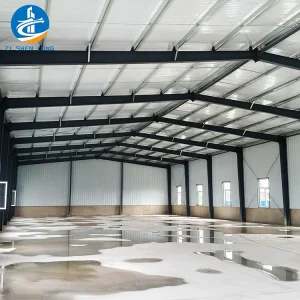
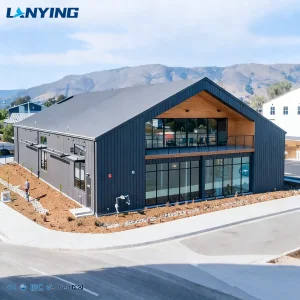
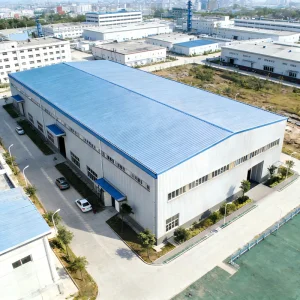
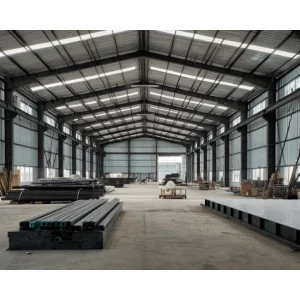
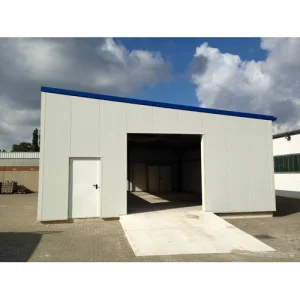
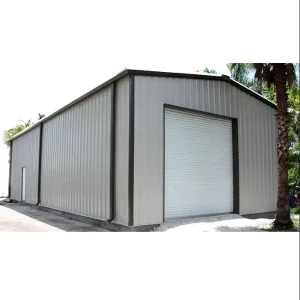
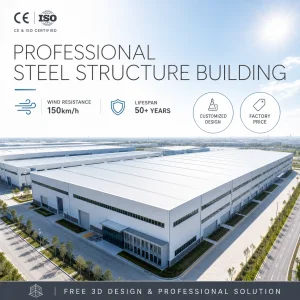
Explore our engineering capabilities spanning industrial portal frames, high-capacity logistics complexes, and insulated workshop systems.
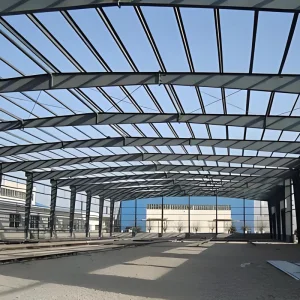
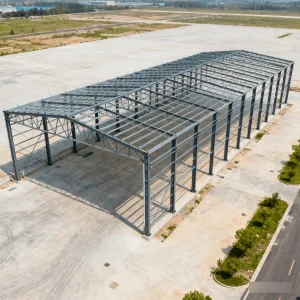
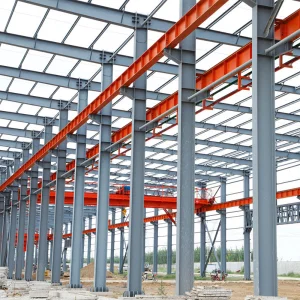
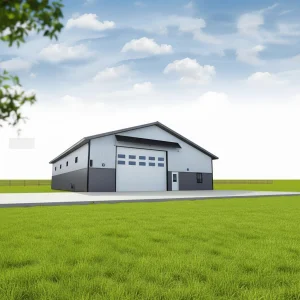
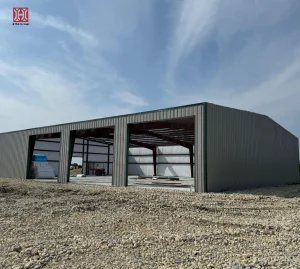
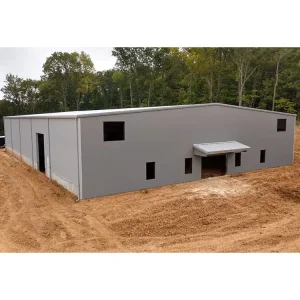
Our engineering team tailors steel structures using modern digital workflows, from structural conceptualization to detailing and delivery in Eritrea:
Using modeling programs like Tekla Structures, SAP2000, and AutoCAD, our design team translates operational parameters (clear span heights, crane lifting limits, live/dead loads) into precise structural layouts. Designs are engineered in compliance with Eurocode 3 (EN 1993) or British Standards (BS 5950) depending on project requirements.
We source primary structural framing profiles (H-sections, box columns, I-beams) from raw steel batches conforming to S355JR or Q355B structural grades. These steels have a yield strength minimum of 355 MPa, providing safety margins and load-bearing performance.
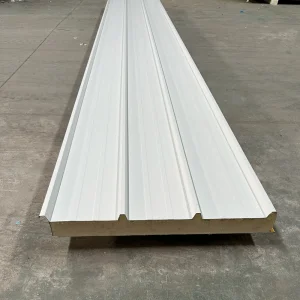
To insulate against the high ambient temperatures of Eritrea's arid regions, we configure multi-layer panel envelopes:
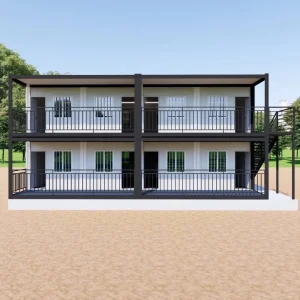
Discover customizable utility configurations, structural kits, and secondary framing systems tailored for industrial use.
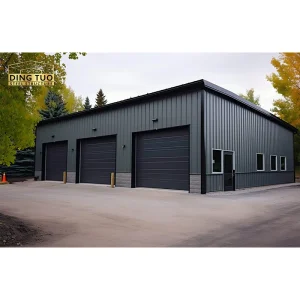
Foshan Umo House Co., Ltd. is a professional manufacturer specializing in steel structure houses, prefabricated steel buildings, modular housing systems, and customized construction solutions in China. With extensive industry experience and advanced manufacturing capabilities, we provide durable, efficient, and sustainable building solutions for residential, commercial, industrial, and institutional projects worldwide.
Our comprehensive product portfolio includes steel structure houses, prefabricated homes, modular buildings, steel frame villas, portable houses, expandable homes, labor camps, site offices, warehouses, workshops, commercial buildings, schools, hospitals, dormitories, agricultural buildings, and customized steel construction projects. Every solution is engineered to deliver rapid installation, superior structural performance, cost efficiency, and long service life.
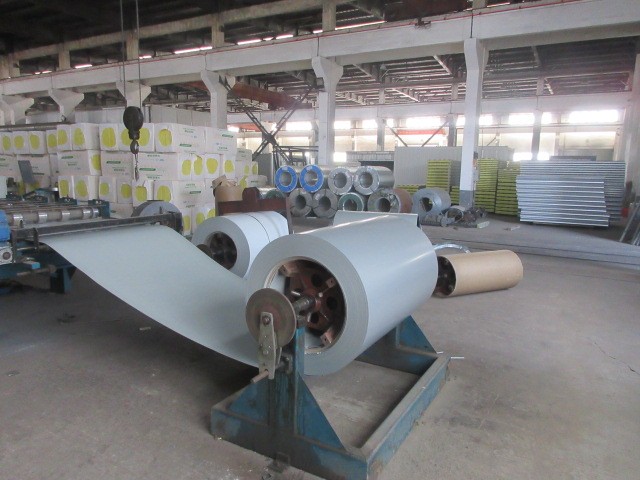
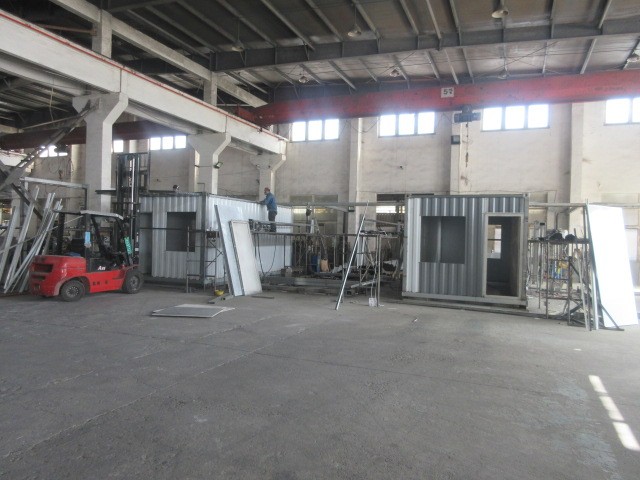
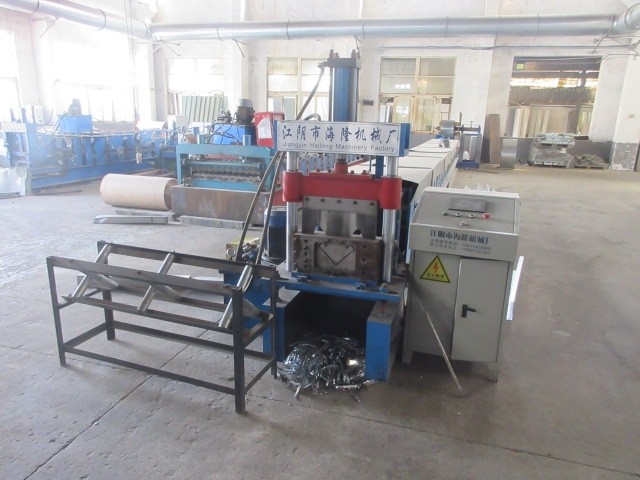
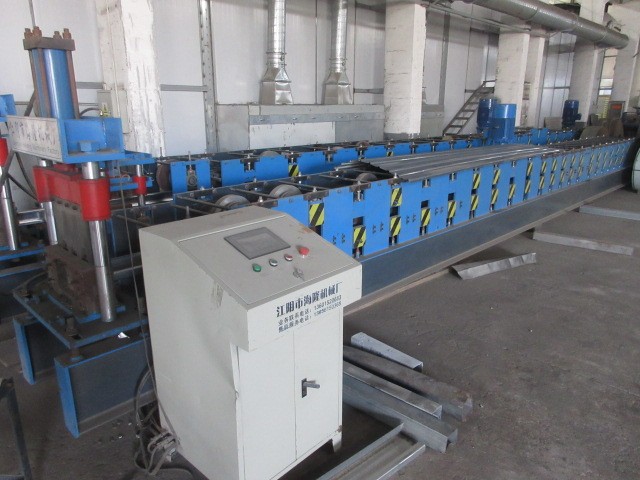
At Umo House, we utilize advanced production equipment and precision manufacturing technologies to ensure every component meets strict international quality standards. Our experienced engineering team provides complete OEM and ODM services, supporting customized architectural design, structural calculations, insulation systems, roofing, wall panels, electrical layouts, plumbing, interior finishing, and project-specific requirements.
Built with premium galvanized steel structures and high-performance building materials, our products offer excellent resistance to corrosion, earthquakes, strong winds, and harsh weather conditions. They also provide outstanding thermal insulation, energy efficiency, and low maintenance, making them suitable for both temporary and permanent construction applications.
Our steel structure solutions are widely used in residential communities, commercial complexes, industrial facilities, logistics centers, mining camps, construction sites, tourism resorts, educational institutions, healthcare projects, government infrastructure, and emergency relief programs. We continuously invest in research, product innovation, and manufacturing optimization to meet the evolving needs of global customers.
Today, Foshan Umo House exports its products to Europe, North America, South America, Southeast Asia, the Middle East, Africa, and Oceania, building long-term partnerships with contractors, developers, distributors, and engineering companies around the world.
As a trusted steel structure house manufacturer in China, Foshan Umo House is committed to delivering premium-quality products, competitive pricing, flexible customization, reliable project support, and on-time delivery. We strive to provide innovative modular construction solutions that create lasting value for customers across the global market.
 Umo House